
Trading Gold and Oil Through the Iran Crisis
The US–Iran conflict is the single biggest thing on the tape in mid-2026. It does not move markets by mood — it moves them through a chain: oil, then inflation, then the Fed, then the dollar. Get that chain straight and the price action across gold, the majors and equities stops looking random.
Every desk has spent the last few weeks trading one story. The US–Iran conflict, with the Strait of Hormuz contested, has pulled oil, inflation, rates and the dollar into a single connected trade. When one driver this large sits on top of everything else, the mistake is to treat each instrument as its own chart. They are not independent right now. Oil is the source, and the rest of the board is downstream of it.
This piece is not about the conflict itself — there are better places for that, and none of us have an edge forecasting geopolitics. It is about the plumbing: how a supply-risk premium in oil becomes a hot inflation print, how that print keeps the Fed hawkish and the dollar firm, and why that same chain leaves gold well supported but capped. Then the practical part — how to size, where to expect gaps, and how to keep a plan when the tape is being driven by headlines you cannot predict.
Throughout, the tool referenced is ChartSnipe, used the honest way — a research co-pilot that ranks the day's drivers and reads the chart, while you keep control of size, stops, and the decision to be in at all.
Key Takeaways
- →Oil is the transmission channel. Hormuz supply risk puts a premium in crude, and that premium is what actually reaches inflation, the Fed and the dollar.
- →Gold catches a haven bid but stays capped. Firm real yields and a strong dollar — the same conflict's side-effects — are a ceiling on a non-yielding metal.
- →The risk-off playbook: USD and CAD firm, equities heavy, with the yen and franc carrying their own haven quirks (the franc often capped by the SNB).
- →Trade the reaction, not the first headline spike. Define levels in advance and act on the retest or the failure, not the initial candle.
- →Size for gaps. In a headline tape your stop can be jumped, so smaller notional is the real defence — not a tighter stop.
1. The conflict as a market driver
Markets do not price geopolitics as a moral event. They price it as a supply-and-demand shock with a probability attached. The reason the US–Iran conflict dominates the 2026 tape is not the drama of the headlines — it is that this particular conflict sits directly on top of the world's most important energy chokepoint. That gives it a clean, mechanical path into prices that a conflict somewhere with no commodity exposure would never have.
So the first job is to stop reacting to each escalation as a fresh shock and start seeing the through-line. A flare-up matters to your positions to the exact extent that it changes the market's assessment of oil supply. A headline that sounds severe but leaves the flow of crude untouched will spike and fade. A development that genuinely threatens the Strait of Hormuz will hold, because it forces a repricing all the way down the chain. Learning to tell those two apart is most of the edge here.
And the chain is short and rigid: oil supply risk lifts crude, higher crude lifts headline inflation, hot inflation keeps the Fed hawkish, a hawkish Fed and haven flows keep the dollar firm. US headline CPI already ran hot this spring — north of 4% — with the energy channel doing a lot of the work. That is not a coincidence layered on top of the conflict. It is the conflict, arriving in the data.
2. Oil — the transmission channel
Roughly a fifth of the world's seaborne crude moves through the Strait of Hormuz. You do not need a barrel of it to stop flowing for the price to move — you only need the market to raise its estimate of the chance that some of it might. That is what a risk premium is: a price paid today for a tail that may never arrive. In mid-2026 that premium is large and jumpy, which is exactly why crude is elevated and why it gaps on headlines.
For a trader, oil is therefore the cleanest read on the whole complex. When crude is bid, the inflation-and-hawkish-Fed narrative is being reinforced and the dollar has a tailwind. When crude gives back its premium on de-escalation chatter, the same narrative eases and the pressure on everything downstream comes off. If you want a single instrument to tell you which way the macro wind is blowing on any given morning, it is the oil price, not the gold price.
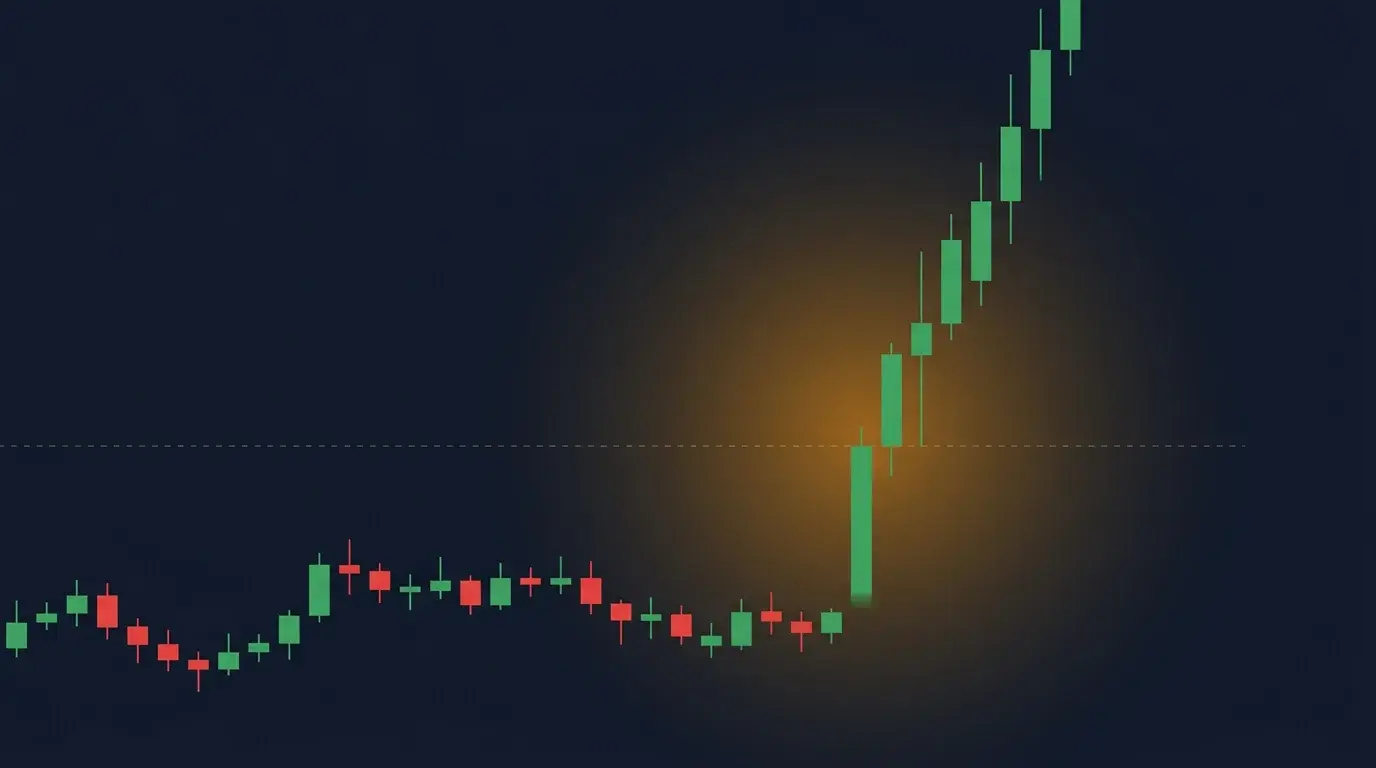
The practical implication is that oil is a high-conviction, high-gap instrument, and it should be traded like one: smaller size than the tight ranges of a calm year would justify, stops well beyond the noise, and full respect for the fact that the biggest moves land on weekend and overnight headlines when you cannot manage the position. Elevated does not mean it only goes up. A credible de-escalation can pull tens of dollars of premium out of crude in a session, and anyone leaning the wrong way with the wrong size gets hurt on the unwind as easily as on the escalation.
3. Gold — haven bid vs the yield-and-dollar cap
Gold is the instrument people misread most in this regime. The instinct is simple: conflict means fear, fear means safe havens, safe havens mean gold rips. And gold is bid — it is holding in the low-$4,000s, firm on dips, clearly wanted. But it is not ripping, and it is a long way below the record near $5,600 it printed back in January. Understanding why is the difference between buying support and buying a breakout that never comes.
The problem is that the exact same conflict that drives haven demand also drives the two things gold hates. It keeps oil high, which keeps inflation hot, which keeps the Fed hawkish and real yields firm. And it keeps the dollar strong — the DXY has pushed back above 100. Gold pays no coupon. When real yields are firm, the opportunity cost of holding a non-yielding metal is high, and when the dollar is strong, gold priced in dollars faces a headwind. So the haven bid and the yield-and-dollar cap are two outputs of one input, pushing gold in opposite directions at the same time.
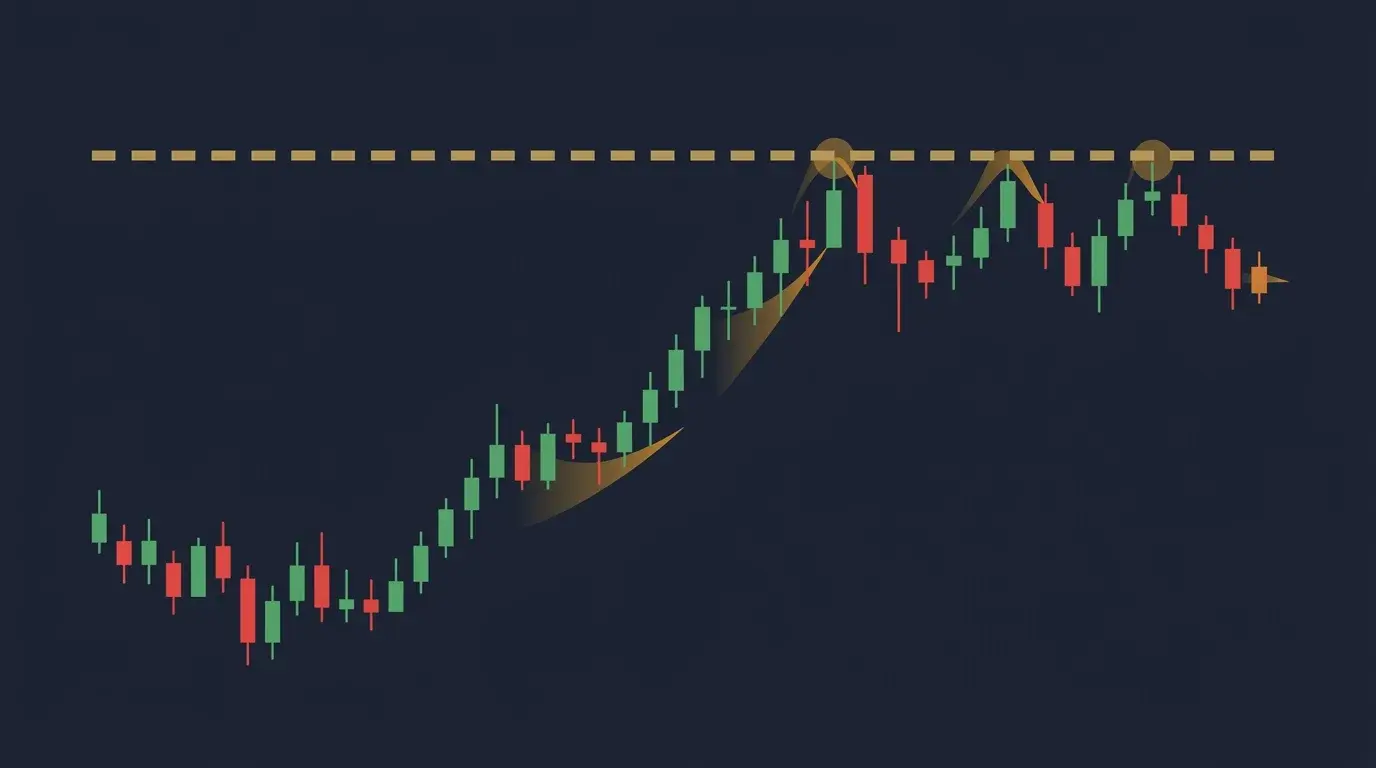
On the chart that resolves into a specific personality: gold that gets bought hard on risk-off dips but stalls into overhead resistance, unable to sustain a break while yields and the dollar stay firm. The trade that fits that personality is buying support with a defined stop, not chasing strength into the ceiling. If the conflict ever eases enough to bring the dollar and yields down together, the cap comes off and the story changes — but that is a different regime, and you trade the one in front of you. For the mechanics of sizing and stops on a metal that moves like this, the gold volatility playbook goes deeper.
4. The risk-off regime playbook
Once you accept that oil is the driver and the dollar is firm, the rest of the board falls into a recognisable risk-off pattern. This is not a novel 2026 phenomenon — it is the classic playbook, sharpened by the energy angle. The point of knowing it cold is that when a headline hits and everything moves at once, you are not guessing which instruments should lead. You already know the ranking.

The dollar is the default winner
The US dollar is the reserve currency and the natural destination for flight-to-quality flows. On top of that, the US is a large energy producer, so a high oil price hurts it less than it hurts energy importers, and the hawkish Fed keeps rate differentials in the dollar's favour. That is three reasons pointing the same way. In this regime, fading dollar strength on a fresh escalation is fighting the whole chain at once.
The Canadian dollar is the risk currency that holds up
The commodity currencies usually get sold in risk-off, but the CAD is a special case because Canada is a major oil exporter. A rising crude price is a partial hedge against the risk-off drag, so the CAD tends to outperform the other risk-sensitive currencies even as it weakens against the dollar. That divergence — CAD firm on the crosses, soft against a strong USD — is one of the cleaner correlation expressions of this whole regime. Our forex correlation guide covers how oil and the CAD move together.
Equities carry the risk-off drag
Higher energy costs squeeze margins, a hawkish Fed raises the discount rate on future earnings, and uncertainty lifts the risk premium investors demand. All three weigh on equities. That does not mean indices collapse — other forces can offset it — but it does mean stocks are swimming against the current here, and a conflict escalation is a headwind for them at the same moment it is a tailwind for the dollar and oil.
The yen and franc have haven quirks
The yen and the Swiss franc are the traditional currency havens, and both catch flows when fear spikes. But each comes with an asterisk in 2026. The yen's haven pull is fighting a wide rate gap that has kept USD/JPY elevated around 162, so its safe-haven strength is real but muted. The franc frequently runs into the Swiss National Bank, which has a long history of leaning against a currency it considers too strong. Treat both as havens with a governor on them, not as clean one-way trades.
Leans with the regime
- Long USD on fresh escalation, with a plan.
- CAD firmer than other risk currencies.
- Gold bought at support, not chased.
- Oil premium respected, both directions.
Fights the regime
- Fading dollar strength into a flare-up.
- Chasing gold through overhead resistance.
- Full-size long equities into escalation.
- Treating CHF strength as unlimited.
5. Trading headlines without getting whipsawed
The tape right now is headline-driven, and headline-driven tapes have a specific failure mode: you react to the first print, get filled at the worst price, and watch it reverse as the market works out that nothing structural changed. The first spike on a geopolitical headline is thin liquidity and reflex, not considered repricing. Trading it is a coin flip with bad fills attached.
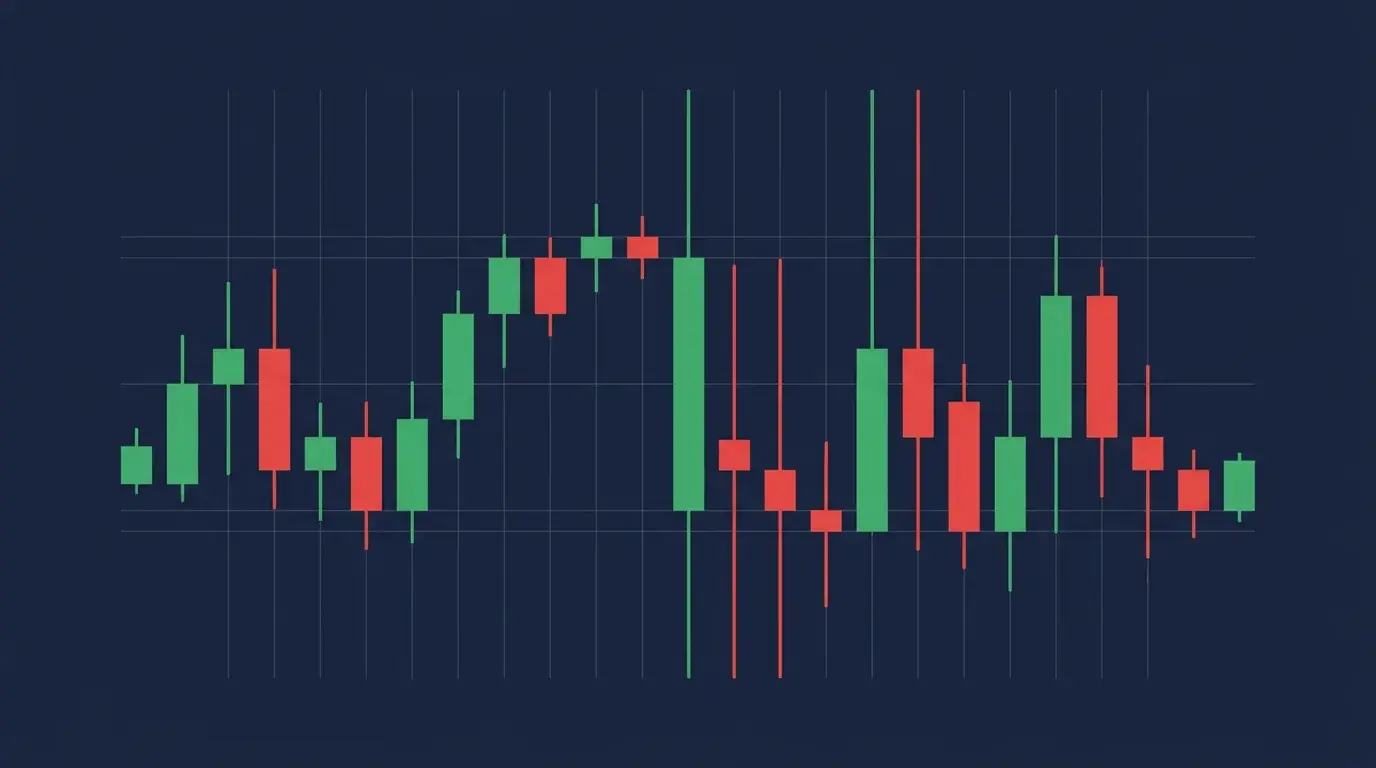
The discipline that survives this is boring on purpose. Mark your levels before the session — the support gold keeps defending, the resistance it keeps failing at, the oil levels that matter — and let the headline come to them. When a spike runs into a level you already flagged and fails, that failure is a far better trade than the spike itself. When a spike breaks a level and then holds on the retest, that is the market telling you the repricing is real. Either way you are acting on confirmation at a pre-chosen price, not chasing a candle you did not plan for.
This is the same muscle you use around scheduled data, just applied to unscheduled events. The mechanics of trading around known high-impact releases — standing aside for the first move, waiting for the dust to settle, then trading the level — carry over almost directly. If that framework is not second nature yet, the guides on high-impact news events and trading NFP, CPI and FOMC lay out the reaction-based approach in detail.
6. Sizing for gap and headline risk
Here is the uncomfortable truth about a conflict-driven market: your stop is a request, not a guarantee. When a headline hits over a weekend or in thin overnight liquidity, price can open straight through your stop level and fill you well past it. No stop discipline in the world protects you from a gap. The only thing that does is size.
So the sizing logic inverts from a calm market. In a quiet tape you can carry more notional because the distribution of outcomes is tight. In this tape the tails are fat and the gaps are real, so you carry less — enough that a gap through your stop is a bruise you shrug off, never a blow that takes the account. Cut the position you would normally run, widen the stop so it sits beyond ordinary noise rather than inside it, and accept that the leverage which is perfectly fine in a range-bound month is reckless in this one. Smaller size is not caution for its own sake. It is the specific, correct response to gap risk.
Two more habits matter here. First, be flat or deliberately small into weekends and known flashpoints; the reward for holding full risk through a closed market rarely justifies the gap exposure. Second, do not average into a losing position on the theory that the conflict “has to” resolve your way. Geopolitics does not owe your trade a resolution on your timeline, and adding to a loser in a gap-prone market is the fast route to a margin call. One position, correctly sized, with a stop you have already accepted losing — that is the whole discipline.
7. Using an AI news read in a fast tape
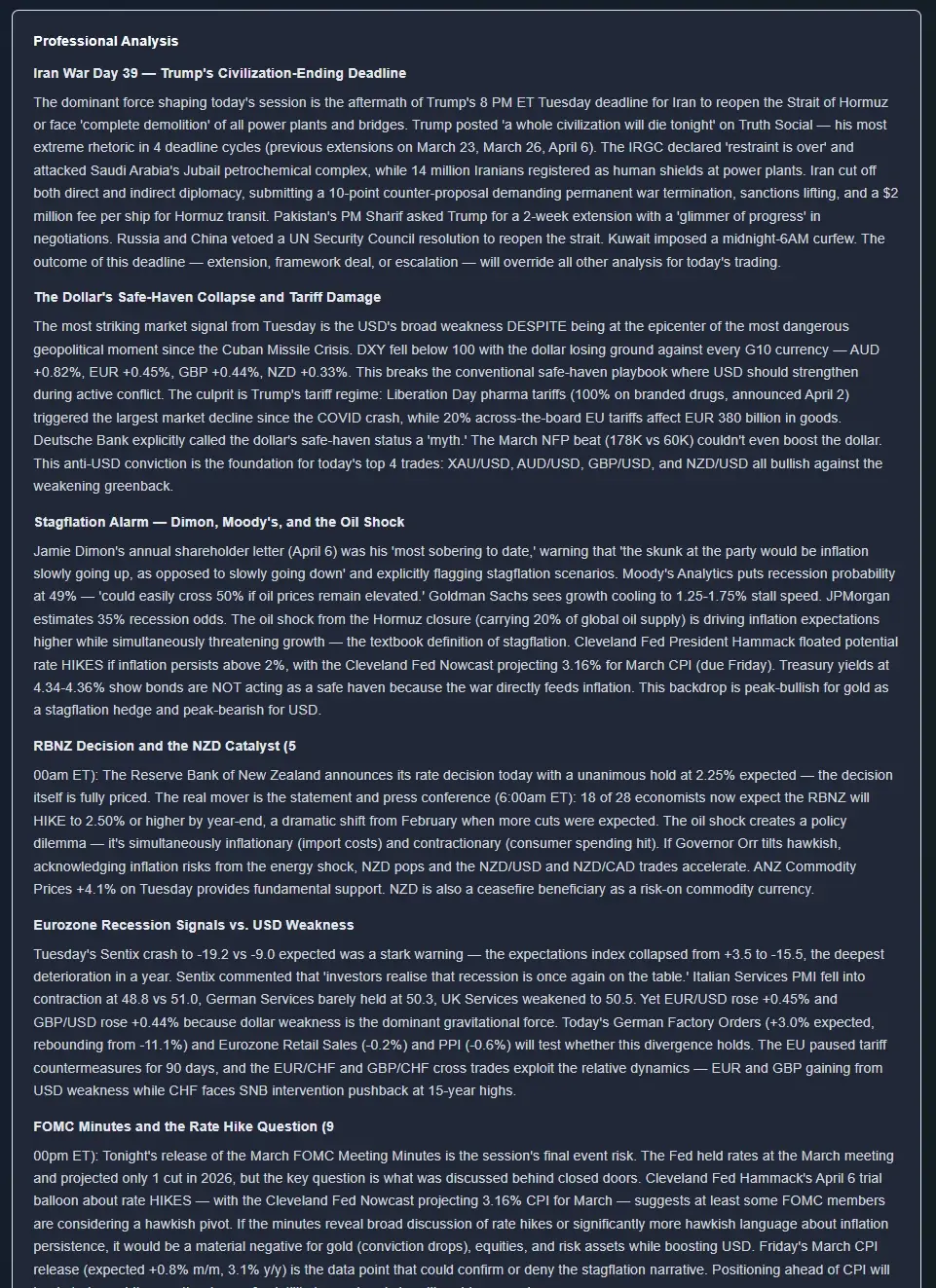
When the tape is moving faster than you can read it, the failure is losing the thread — reacting to alert after alert until you have forgotten which way the underlying chain points. That is where an AI news read earns its place. Not by predicting the next headline; nothing can do that, and any tool that claims to is selling something. What it can do is keep you oriented: rank which instruments the current backdrop favours, name the drivers behind each, and re-anchor you to the oil-inflation-dollar chain every morning.
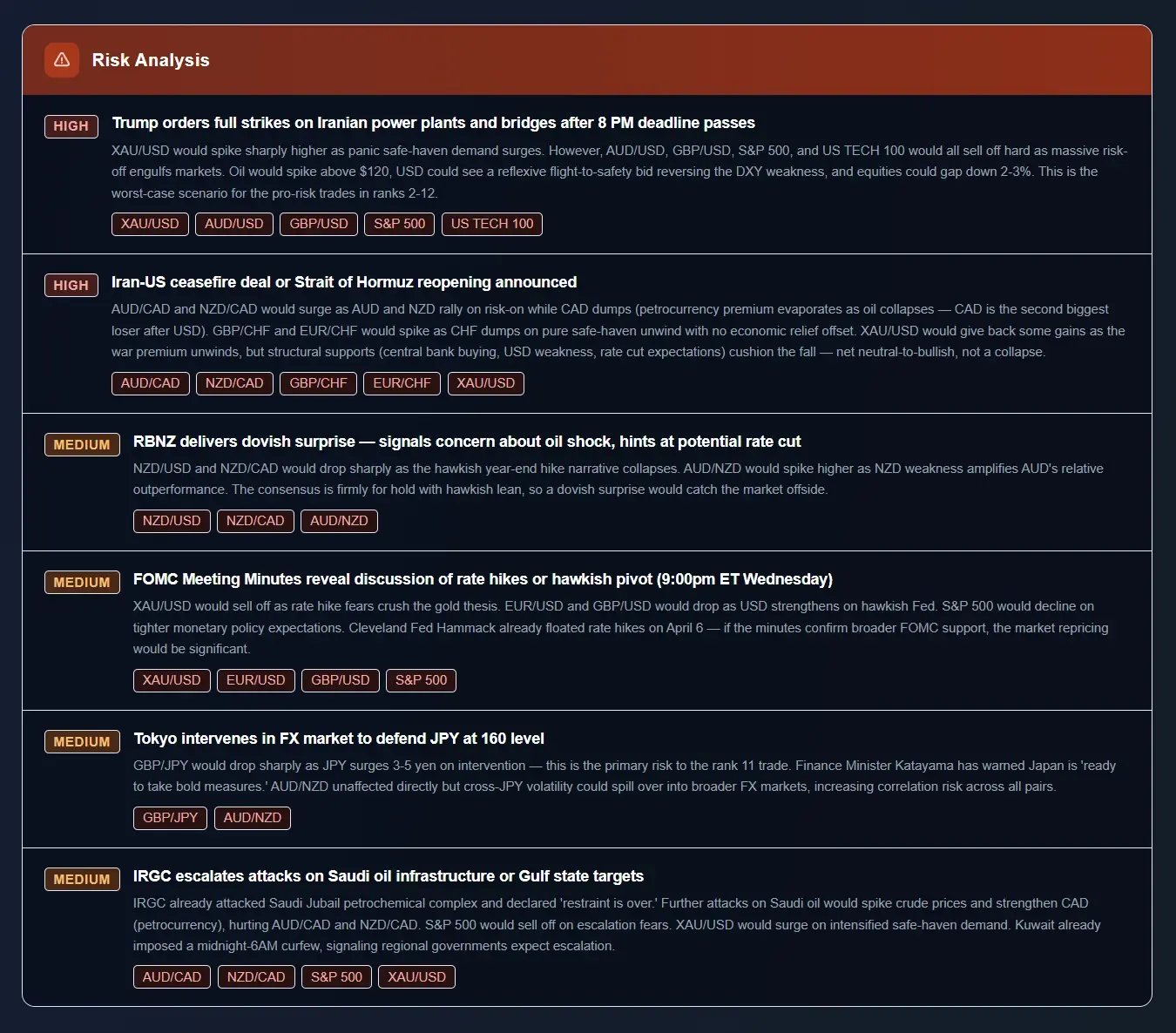
This is what the Daily AI News Impact is built to do. It ranks the day's most bullish and bearish instruments with a conviction score and the specific reasoning, so before the first candle you know whether your idea trades with the macro flow or against it. In a regime this connected, that orientation is most of the value — it stops you taking a long-dollar chart trade that is quietly fighting an oil de-escalation, or buying gold into a print that is about to lift real yields.
Pair that with screenshot chart analysis to read the levels on the instrument you are actually trading, and you have the research half handled: the macro read tells you the direction of the wind, the chart read tells you where the levels are. What neither does — and neither should — is size the trade, hold the stop, or decide whether the risk is worth taking at all. That stays with you. In a headline-driven market especially, the discipline is the edge, and no tool can outsource it.
No tool predicts geopolitics. An AI news read is for staying oriented in a fast tape, not for forecasting the next escalation. If anything promises to call the conflict or guarantee the trade, that is the tell you are being sold a fantasy — walk away.
Frequently asked questions
How does the Iran conflict actually move markets?
Through oil first. Roughly a fifth of the world's seaborne crude passes through the Strait of Hormuz, so any threat to that route puts a risk premium into the oil price. Higher oil feeds headline inflation, which keeps the Fed hawkish and the dollar firm. The chain — oil to inflation to the Fed to the dollar — is the real mechanism. Headlines are the trigger; oil is the channel.
Why is gold not soaring if this is a safe-haven event?
Gold is catching a haven bid — firm in the low-$4,000s — but it is capped, not soaring. The same conflict that drives haven demand also keeps oil high, inflation hot, real yields firm and the dollar strong, and gold pays no yield. Those forces work against it, so gold is well supported on dips but struggles to break overhead resistance, still well below its January record near $5,600.
Which currencies are strongest in a risk-off, high-oil regime?
The US dollar is the default winner: reserve currency, net energy producer, hawkish Fed. The Canadian dollar holds up better than other risk currencies because Canada exports oil, so a rising crude price offsets part of the risk-off drag. The yen and Swiss franc have haven roles too, though the franc is often capped by the Swiss National Bank leaning against excessive strength.
Should I trade the headlines or wait?
Trade the reaction, not the headline. The first spike is thin, fast and often reversed once the market checks whether oil supply actually changed. Define your levels in advance, let the spike happen, and act on the retest or the failure rather than chasing the first candle. If you must be positioned into known risk, do it smaller.
How should position sizing change in a headline-driven tape?
Assume gaps. Your stop can be jumped on a weekend or overnight headline, so smaller size is the real defence — enough that a gap through your stop is a bruise, not a blow-up. Cut the notional you would normally carry, widen stops to sit beyond noise, and treat leverage that is fine in a calm tape as reckless in this one.
Can an AI news tool help in a fast geopolitical market?
For orientation, yes. It cannot predict the next headline and should not claim to. What it can do is rank which instruments the current backdrop favours, spell out the drivers, and keep you anchored to the oil-inflation-dollar chain instead of reacting to every alert. As a research co-pilot rather than a signal service, that is genuinely useful when the tape moves faster than you can read it.
Sources & further reading
Stay oriented when the tape is driven by headlines
Live prices for oil, gold and 28 FX pairs, a daily AI news-impact read that ranks the day's drivers, screenshot chart analysis, and a position-size calculator for gap-prone markets. Two free snipes to test it on your own chart.