
Forex Correlation Pairs: 10 Key Correlations to Watch in 2026
DXY versus EUR/USD, oil versus CAD, BTC versus Nasdaq — the ten intermarket relationships that actually drive price across forex, commodities, and risk assets.
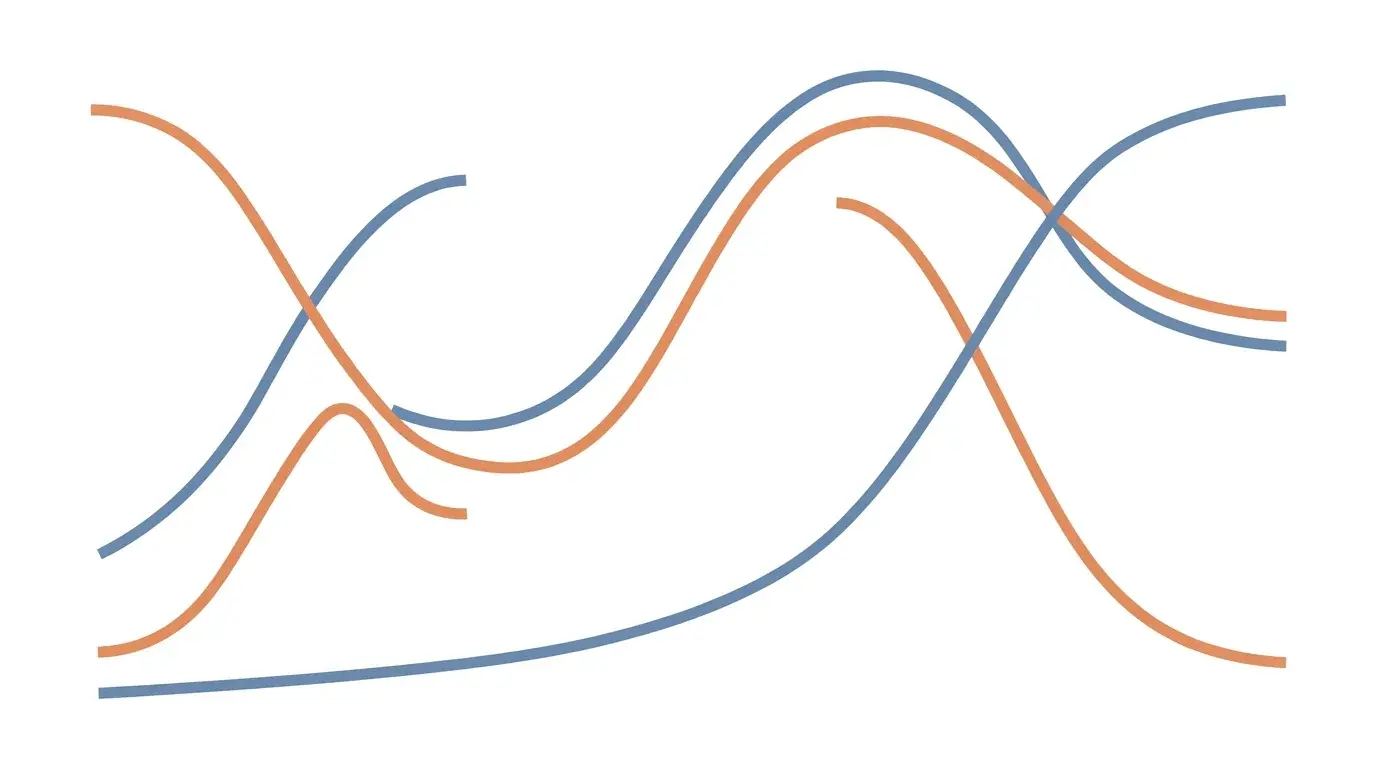
No forex pair trades in isolation. Every EUR/USD candle is also a statement about DXY, about US yields, about gold, and about risk appetite across the global equity complex. Traders who learn to see these relationships — and the regime-change windows where they break — stop guessing direction and start reading it. Correlation is not academic trivia; it is the fastest way to confirm whether a setup has macro tailwinds behind it or is fighting the entire market.
This guide walks through the ten most durable correlations across FX, commodities, and risk assets in 2026. For each, we give you the driver, the typical correlation coefficient range, the specific scenarios that cause the link to break, and the actionable angle for your trades. For the live ranked view of which of these assets are moving together today, our AI News Impact dashboard tracks all of them side by side.
Key Takeaways
- →DXY versus EUR/USD is the most mechanical correlation in forex — EUR is 57% of the dollar index, so the two move as near-mirror images.
- →Commodity-currency correlations (oil-CAD, copper-AUD) are driven by export economics, not sentiment — they break when supply shocks hit the producing economy itself.
- →Correlations are regime-dependent. In liquidity crises every risk asset goes to 1, and traditional inverse relationships temporarily flip.
- →Trading two highly correlated pairs in the same direction is not diversification — it is concentration. Know what you actually own.
- →Confirmation is the best use of correlation: if DXY, US yields, and gold all agree with your EUR/USD thesis, the trade has macro tailwinds. If they disagree, you are fighting the tape.
1. DXY and EUR/USD — The Core Inverse (−0.95 Typical)

The US Dollar Index (DXY) is a trade-weighted basket of six currencies, with the euro alone making up roughly 57% of the weighting. That single structural fact explains why DXY and EUR/USD move as near-perfect mirror images — when the euro sells against the dollar, DXY almost mechanically rises, and vice versa. The typical rolling correlation sits around −0.95, which is as close to a hard-wired relationship as you will find in financial markets.
When it breaks: Rarely, and only briefly. Outsized moves in the yen (14% DXY weight) or pound (12%) can decouple DXY from EUR/USD for a session when those currencies move independently — a BoJ intervention, a UK gilt crisis. The trading angle: Use DXY as your real-time confirmation tool for any EUR/USD trade. If EUR/USD is making a new intraday high but DXY is not making a corresponding new low, the move is not confirmed and is prone to reversal. Our guide on currency strength meters covers how to see this programmatically rather than by eye.
2. DXY and Gold — The Reserve-Asset Inverse
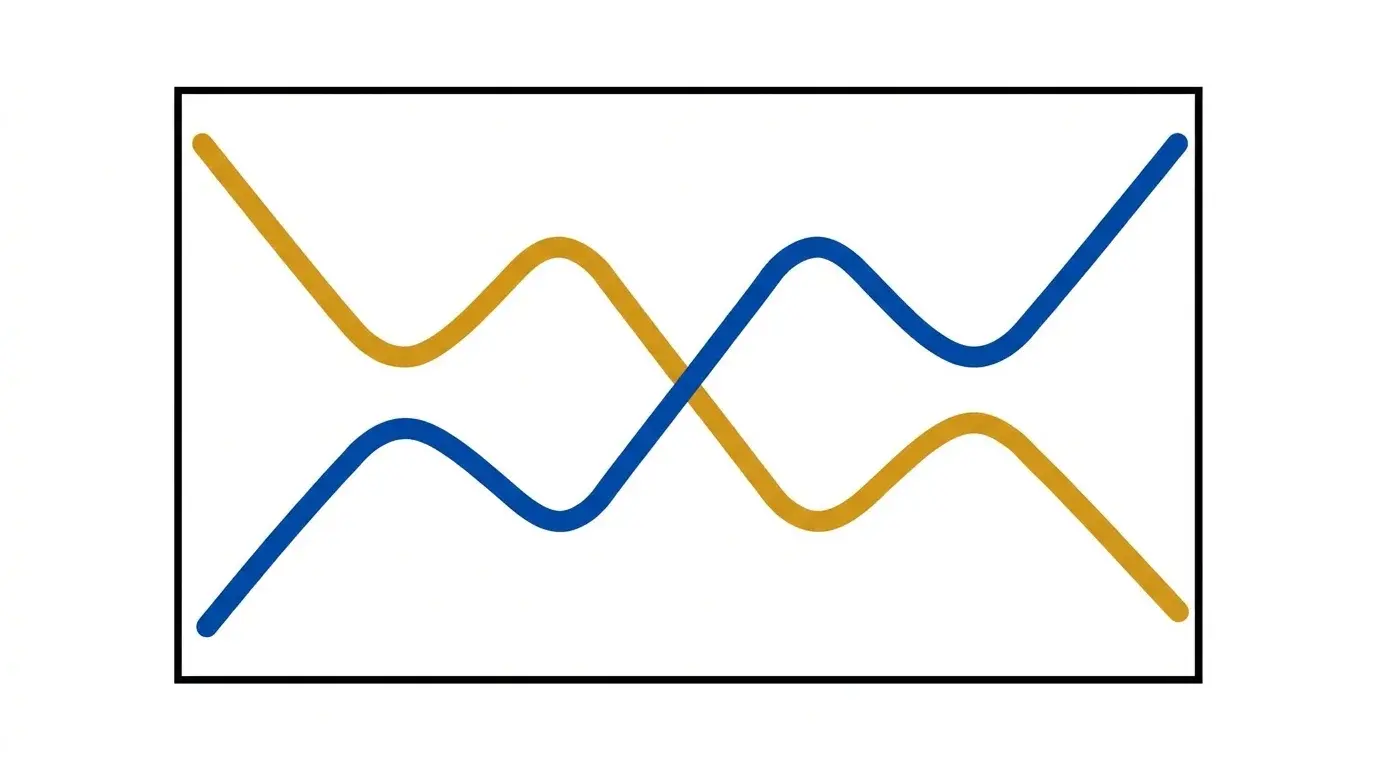
Gold is priced in dollars globally, so a stronger dollar mechanically makes gold more expensive for every non-dollar buyer on the planet — demand falls, price drifts lower. On top of that, both DXY and gold are reserve assets that compete for the same portfolio allocation: when traders want a safety bid, they choose one or the other. The typical DXY-gold correlation is around −0.7 to −0.8, tighter than most retail traders assume and looser than the textbook claim of a pure inverse.
When it breaks: In genuine liquidity crises and war regimes. When panic hits, both DXY and gold can rally simultaneously as global capital flees into any asset perceived as a store of value. We documented exactly this in the April 2026 Iran blockade tape, where gold sold off 2% despite the crisis because the USD channel dominated. The trading angle: Use the DXY-gold relationship as a regime indicator. When it holds, you are in a normal macro tape. When it breaks with both rallying, you are in a crisis regime and should size down everything.
3. Oil and USD/CAD — The Commodity-Currency Inverse
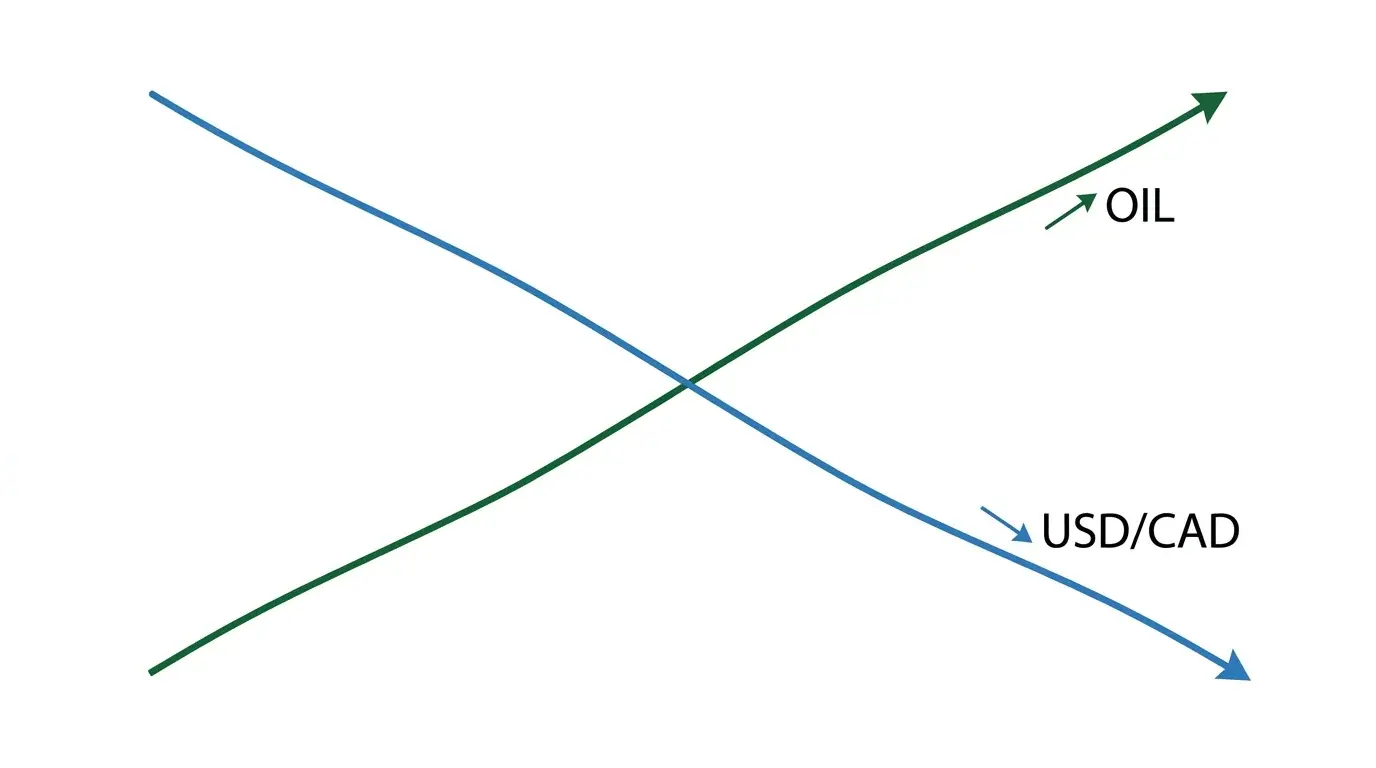
Canada exports roughly 4 million barrels of crude per day, most of it to the United States. When oil prices rise, Canadian export revenue climbs, CAD strengthens against the dollar, and USD/CAD falls. The correlation typically runs between −0.6 and −0.8 on daily data, tighter when oil is the dominant macro story and looser when Canadian domestic factors (BoC policy, housing data) are driving CAD independently.
When it breaks: When supply shocks hit Canadian production itself — wildfires in Alberta, pipeline outages, or regulatory changes that reduce export volumes. In those cases oil can rally globally while CAD weakens because Canada is not capturing the benefit. Also breaks around BoC meetings that diverge sharply from Fed policy. The trading angle: Use oil as a leading indicator for USD/CAD swing bias. If WTI breaks out of a range, expect USD/CAD to follow the inverse move on a one-to-two session lag — rarely instant, but reliable.
4. Copper and AUD/USD — The Risk-Appetite Positive
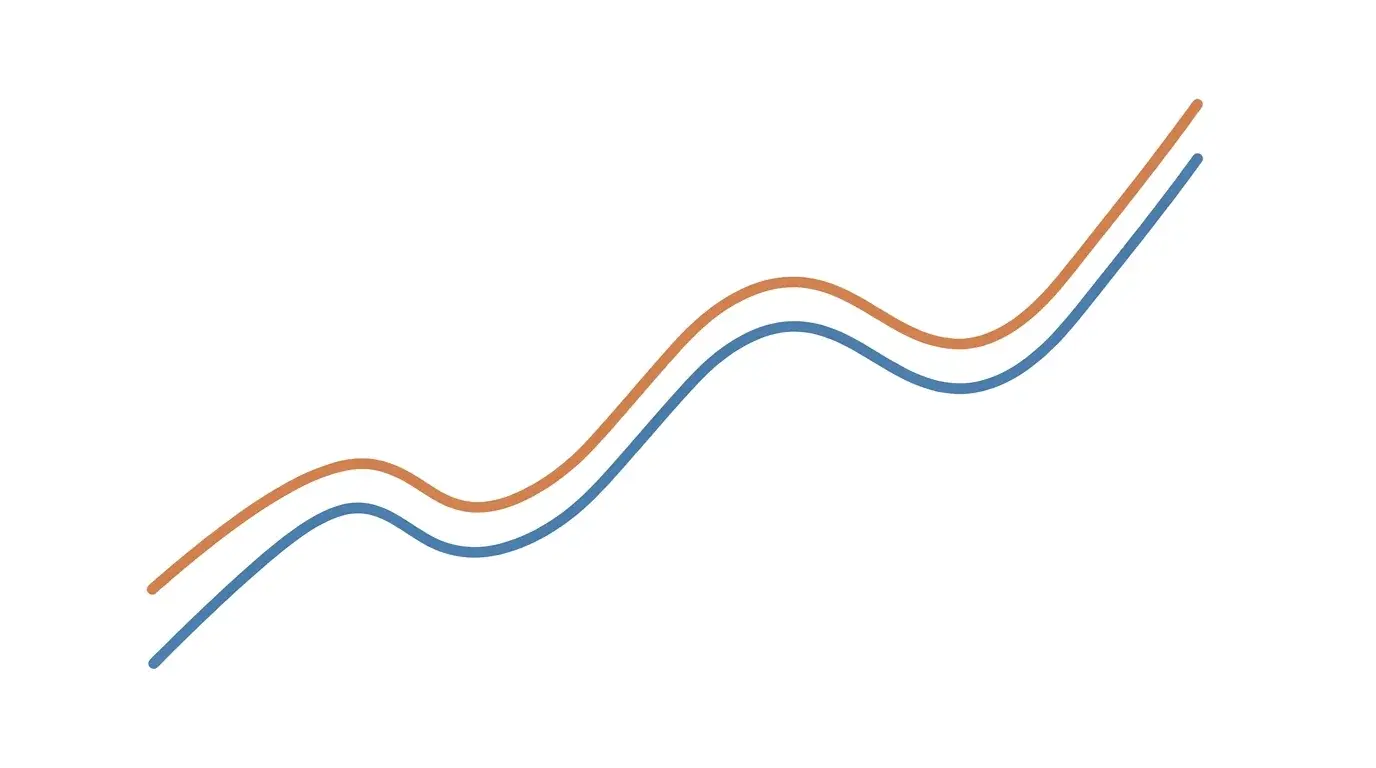
Australia is one of the largest copper and iron ore exporters on earth, and a huge share of that flow goes to China. Copper (often called "Dr. Copper" for its diagnostic read on industrial activity) is the cleanest single-price proxy for global manufacturing demand. When copper rallies, Chinese demand is accelerating, Australian export revenue rises, and AUD/USD tends to follow. The correlation typically runs +0.5 to +0.7, weaker than the DXY pairs but structurally stable.
When it breaks: When Australian domestic factors decouple from the commodity cycle — aggressive RBA rate moves, housing corrections, or immigration-driven wage shocks. Also breaks when copper rallies on supply disruptions (Chilean strikes, Chinese stockpile drawdowns) rather than demand. The trading angle: Use copper as a risk-on/risk-off tell for AUD trades. If copper is rolling over while AUD/USD is bid, the AUD move is suspect and likely to fade. Conversely, copper breakouts with confirming AUD strength are high-conviction risk-on setups.
5. JPY and Nikkei — The Yen-Equity Inverse
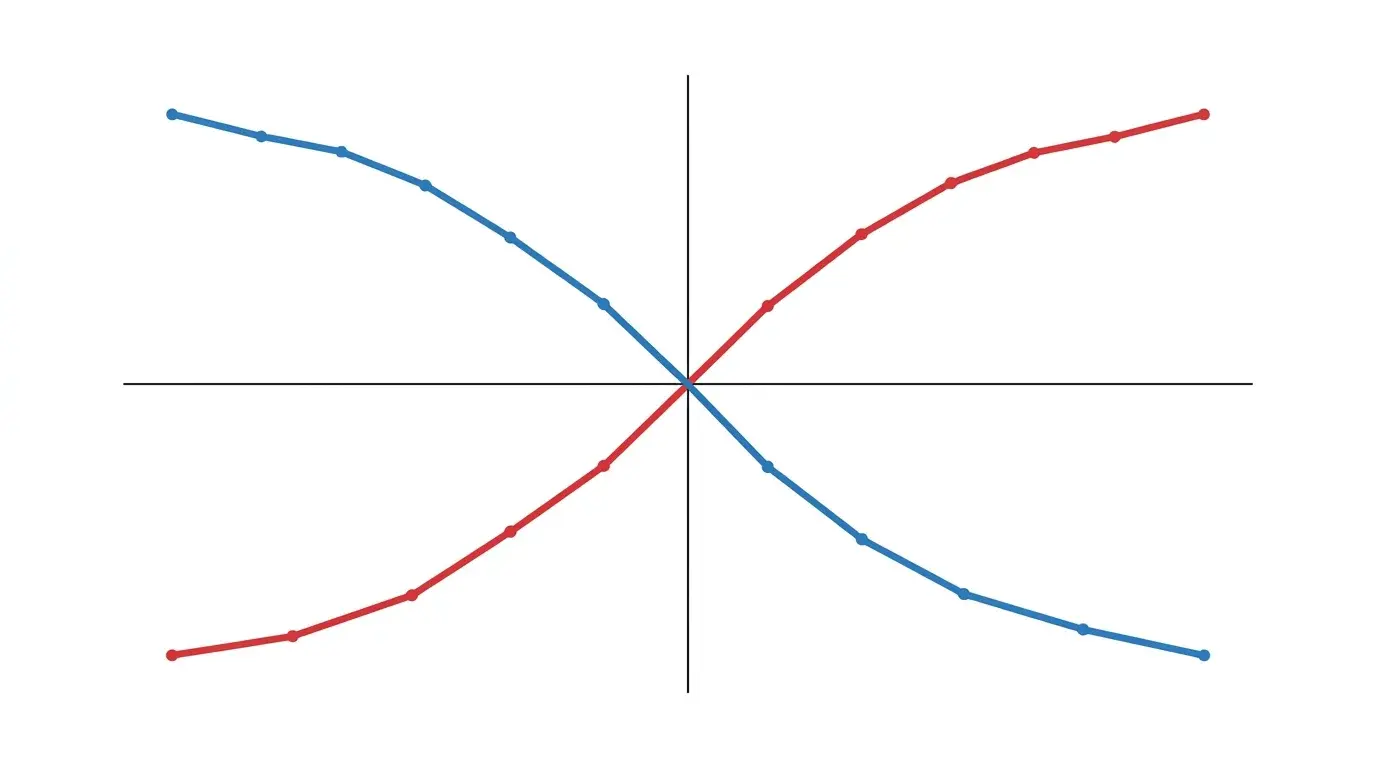
The Nikkei 225 is dominated by export-oriented names — Toyota, Sony, Fast Retailing — that generate a large share of revenue outside Japan. When the yen weakens, those overseas earnings translate into more yen when repatriated, boosting reported profits and Japanese equity prices. The result is a persistent inverse correlation between JPY strength and the Nikkei, usually around −0.6 on weekly data, tightening sharply around BoJ policy pivots.
When it breaks: When the yen weakens for destabilising reasons — runaway capital flight, a debt-sustainability scare, or aggressive MoF intervention threats. In those cases both JPY weakens and equities sell because foreign investors demand a risk premium on Japanese assets. Also breaks during global risk-off episodes when JPY catches a safe-haven bid unrelated to exporter fundamentals. The trading angle: Watch the Nikkei futures during Asian session for an early read on the yen direction. A strong Nikkei rally into the Tokyo open is often the leading signal for USD/JPY strength through the European session.
6. Bitcoin and Nasdaq 100 — The Post-2020 High-Beta Link
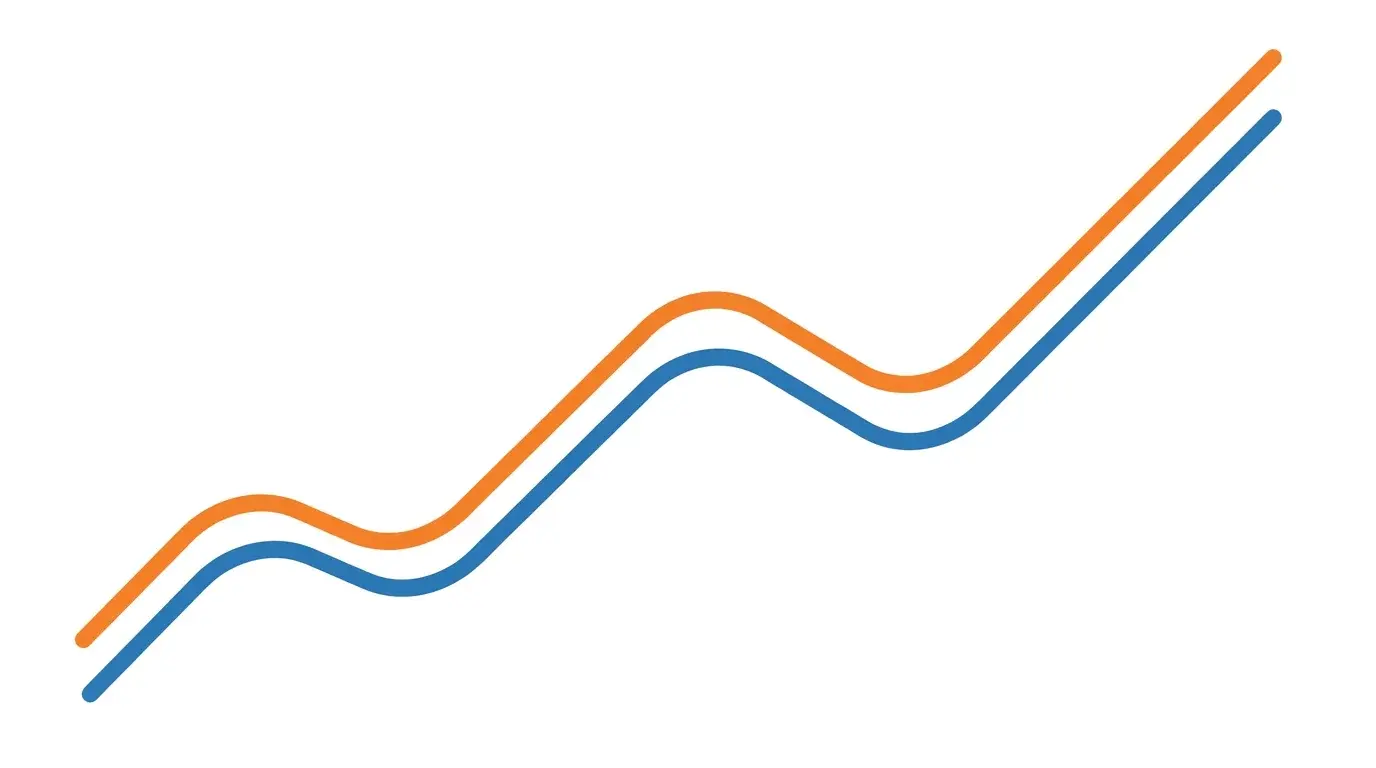
Since 2020, Bitcoin has behaved less like digital gold and more like a high-beta extension of the Nasdaq 100. The same macro drivers — real yields, liquidity, dollar strength — hit both assets, but BTC responds with three to five times the amplitude. Rolling correlations typically sit between +0.4 and +0.7, tighter around FOMC and CPI days when macro dominates, looser during Bitcoin-specific catalysts like ETF flows or exchange collapses.
When it breaks: During BTC-native events — halvings, ETF inflow surges, regulatory shocks, or exchange failures. In those windows BTC trades on its own order flow and the Nasdaq link temporarily vanishes. Also breaks during extreme deleveraging episodes where BTC liquidates harder than any equity index could because of crypto-native leverage. The trading angle: Use the Nasdaq as your macro confirmation for BTC directional bias. For the full playbook, see our Bitcoin FOMC playbook — BTC tracks Nasdaq on Fed day until a crypto-specific headline breaks the regime.
7. 10-Year Yields and DXY — The Rate-Differential Positive
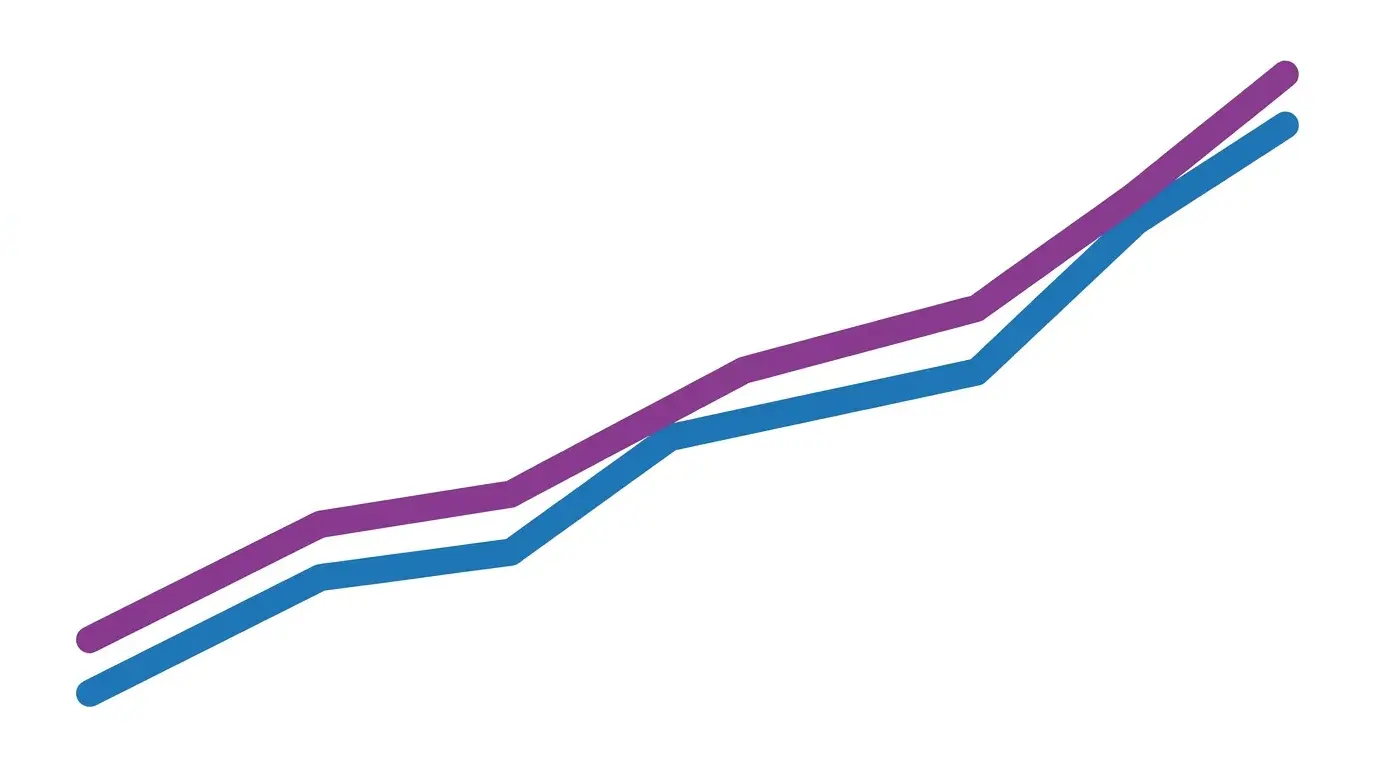
Global capital flows toward whichever major economy offers the best risk-adjusted yield. When US 10-year Treasury yields rise relative to Bunds, JGBs, and gilts, foreign investors sell their home currencies to buy dollars and fund Treasury purchases — driving DXY higher. The correlation between US yields and DXY is typically +0.6 to +0.8, particularly around Fed policy shifts and economic surprise windows. This is the underlying macro pipe that makes FOMC so dominant.
When it breaks: During fiscal sustainability scares, when rising US yields are interpreted as a credit risk rather than a growth signal. In those windows yields rise and DXY falls as capital flees dollar assets entirely. Also breaks during coordinated global central bank tightening when rate differentials compress even as absolute US yields climb. The trading angle: Always check the 10-year yield direction when sizing any dollar trade. A short DXY thesis that requires yields to stay contained is different from one that assumes yields will fall — the second is a much higher-conviction setup.
8. VIX and S&P 500 — The Fear-Equity Inverse
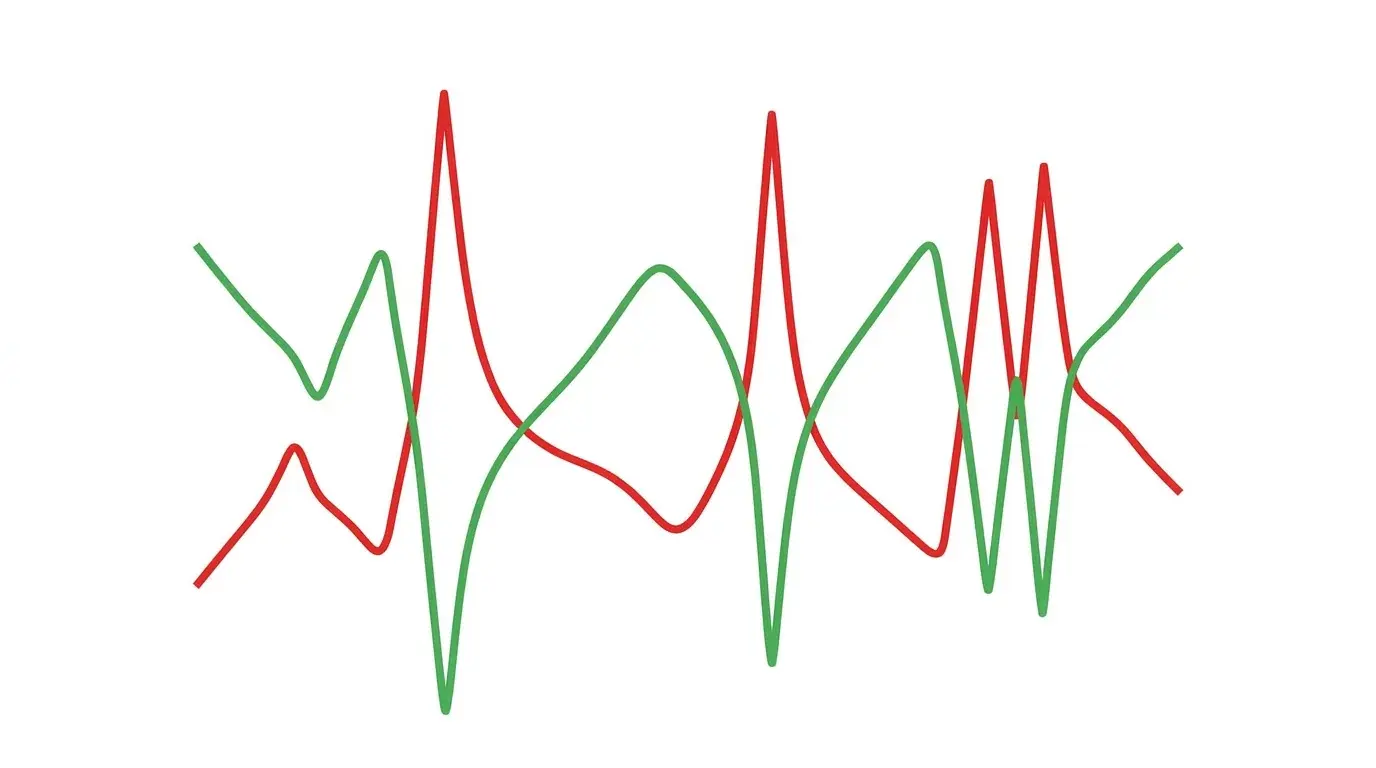
The VIX measures the 30-day implied volatility of S&P 500 options. When stocks sell off, investors rush to buy put protection, driving option premiums and thus VIX higher. When equities grind higher in low-vol regimes, demand for hedges fades and VIX drifts down. The inverse correlation typically runs −0.75 to −0.85, making VIX the single cleanest real-time fear gauge for US equity risk.
When it breaks: On expiration-driven distortions and during melt-up rallies where SPX rises sharply alongside rising VIX as investors simultaneously chase upside calls. Also compressed during ultra-low-vol regimes where the inverse still holds but amplitudes collapse. The trading angle: Use VIX as a risk-management filter for equity longs. When VIX breaks above its 20-day average with SPX at new highs, the regime is fragile and you should tighten stops. VIX above 25 is a serious risk-off signal across every correlated risk asset including forex majors and BTC.
9. Silver and Copper — The Industrial-Metals Positive
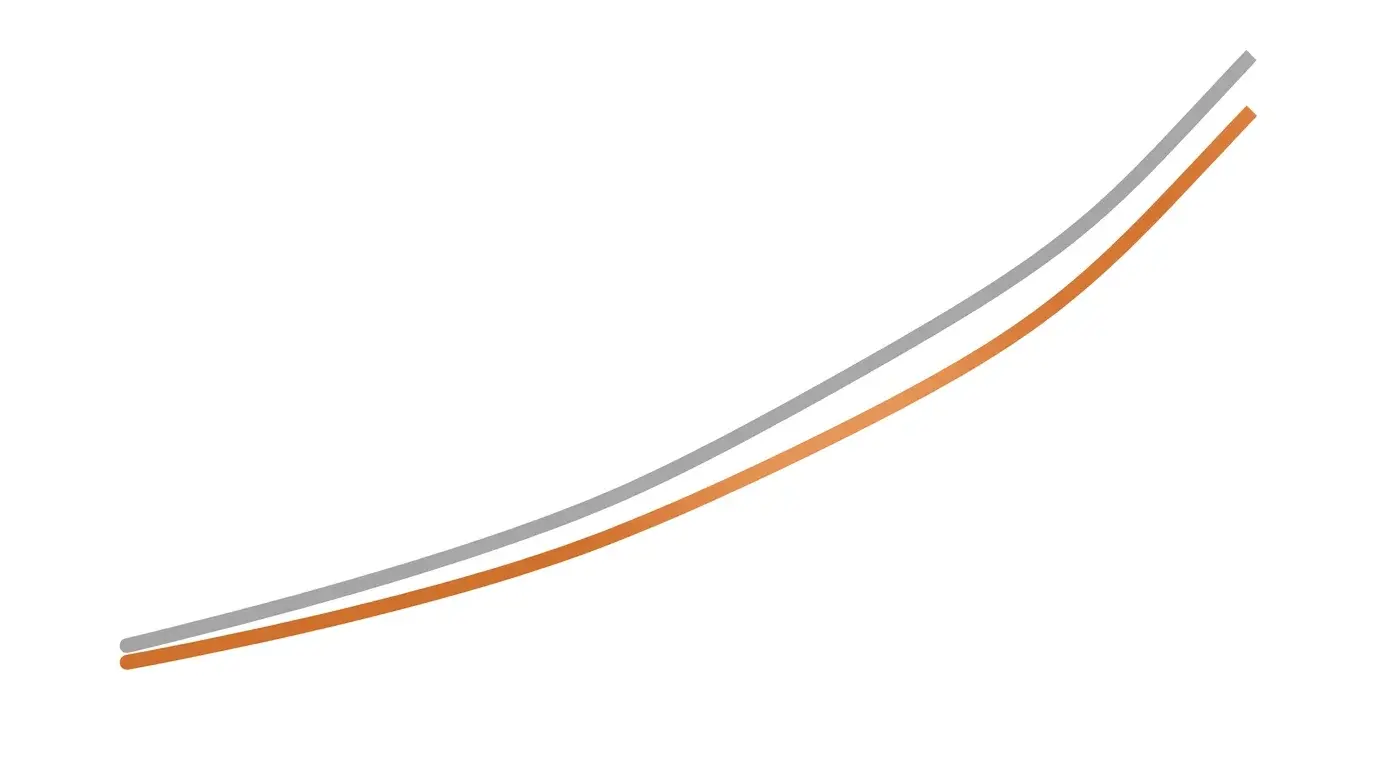
Silver is often miscategorised as a monetary metal like gold, but roughly half of annual silver demand comes from industrial applications — solar panels, electronics, automotive electrification. That gives silver a dual personality: it tracks gold on monetary and inflation stories, but it tracks copper on the industrial cycle. The silver-copper correlation typically runs +0.5 to +0.7 on weekly data, tightening during synchronised global growth windows and loosening when silver trades on pure monetary themes.
When it breaks: When silver gets a major monetary bid — hyperinflation scares, currency crises, or retail short squeezes. In those windows silver decouples from copper and starts tracking gold instead. Also breaks during targeted copper supply shocks that do not affect silver production. The trading angle: Use the silver-to-copper ratio as a regime indicator. When the ratio rises, markets are pricing monetary over industrial — defensive posture. When the ratio falls, industrial optimism is winning — risk-on tilt. This is a useful cross-check against the copper-AUD trade from section 4.
10. Natural Gas and Crude Oil — The Loose Energy Positive
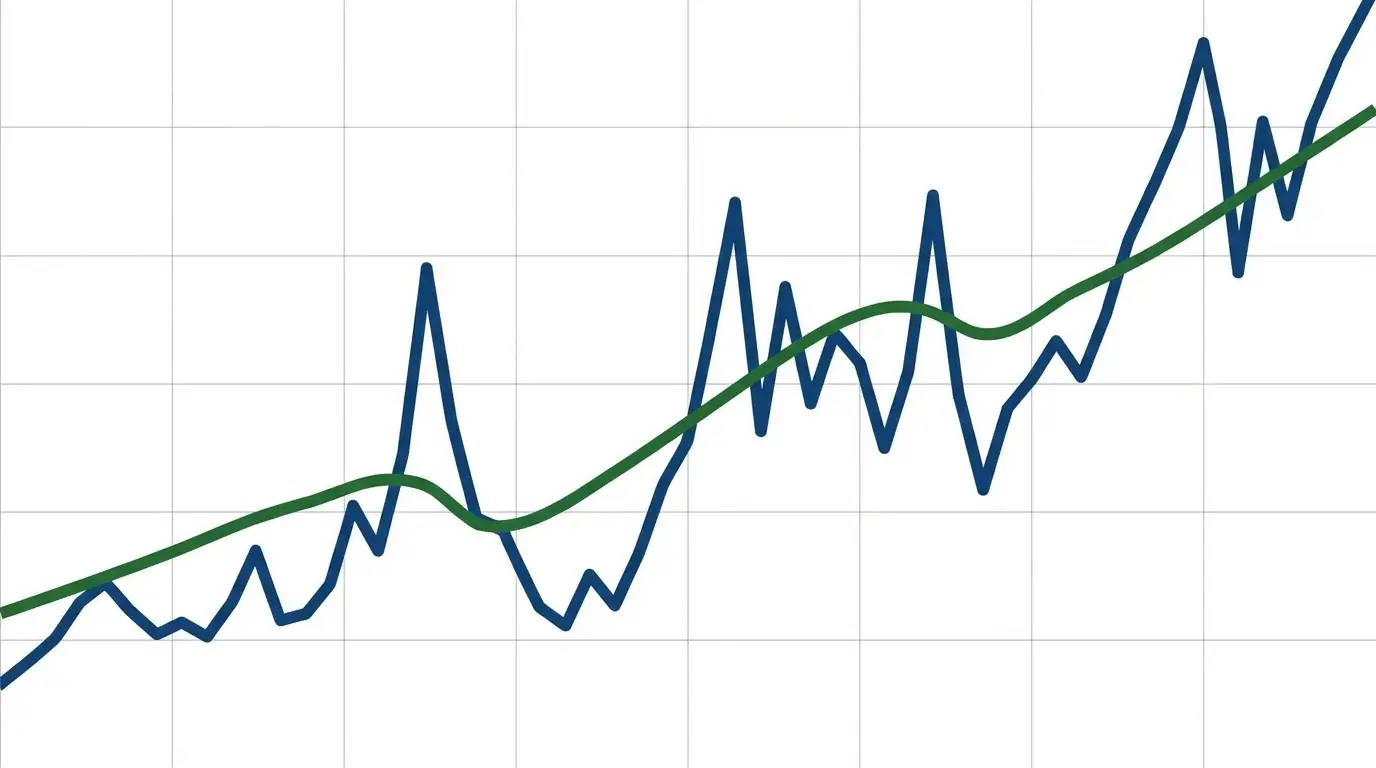
Natural gas and crude oil share a broad energy-demand driver, so they drift in the same direction over longer horizons — typical correlation around +0.3 to +0.5, much looser than the other pairs in this guide. Both benefit from global growth, both suffer in recessions, and both respond to geopolitical supply shocks in energy-exporting regions. But gas is dominated by regional storage dynamics and weather (heating and cooling demand), while oil is a global fungible liquid, so short-term decouplings are normal.
When it breaks: Frequently. US natural gas can spike 30% in a week on a cold front or a storage miss while crude barely moves. Conversely, OPEC+ supply decisions move crude independently of gas. European gas regimes (driven by Russian pipeline politics and LNG import capacity) often diverge entirely from US Henry Hub pricing. The trading angle: Do not use natural gas as an oil proxy for short-term trading — the decoupling is too frequent. But on multi-month horizons, divergence between gas and oil can signal which end of the energy complex has outperformed and is ripe for mean reversion.
ChartSnipe Pricing
- Free: 2 chart analyses per month + unlimited Trading Quiz
- Pro ($20/month): 120 analyses + Daily News Impact Analysis (BTC, FX, gold, indices)
- Premium ($50/month): 600 analyses + all features including Liquidity Snipe mode
See full pricing on the pricing page.
Frequently Asked Questions
What is the most reliable forex correlation?
The inverse correlation between the US Dollar Index (DXY) and EUR/USD is the most reliable in forex, typically running near −0.95 because EUR carries roughly 57% weight in DXY. When EUR/USD falls, DXY almost mechanically rises, and vice versa.
Why are oil and USD/CAD inversely correlated?
Canada is a major oil exporter, so rising crude prices boost Canadian export revenue and strengthen CAD. Since USD/CAD measures how many Canadian dollars one US dollar buys, a stronger CAD pushes USD/CAD lower. The correlation is usually around −0.7 but breaks when oil supply shocks hit Canadian production directly.
Do forex correlations change over time?
Yes. Correlations are regime-dependent, not constant. The DXY-gold inverse can flip briefly during liquidity crises when both rally as safe havens. The copper-AUD link weakens when the Australian economy decouples from global manufacturing. Smart traders track rolling correlation windows rather than assuming a single number.
How do I use currency correlations in trading?
Correlations tell you which instruments confirm a macro thesis and which add diversification. If you are long EUR/USD on a weak-dollar view, watching DXY and gold confirms the dollar leg. Trading two highly correlated pairs in the same direction is not diversification — it is double-sizing the same trade.
Is Bitcoin still correlated with Nasdaq?
Since 2020, Bitcoin has traded as a high-beta extension of the Nasdaq 100, typically with a rolling correlation in the 0.4 to 0.7 range. The link tightens around macro liquidity events like FOMC and loosens during crypto-specific catalysts such as ETF flows or exchange crises.
Why does VIX move opposite to the S&P 500?
VIX measures the implied volatility of SPX options over the next 30 days. When stocks sell off, investors buy put protection, driving option prices and thus VIX higher. When equities rally into low-volatility regimes, demand for protection falls and VIX drifts lower. The correlation is typically around −0.8.
The Bottom Line
Correlations are the hidden grammar of macro markets. Every currency, commodity, and index in this guide is connected to the others through real economic pipes — trade flows, interest rate differentials, portfolio rebalancing, and sentiment regimes. Traders who learn to read these connections stop trading instruments in isolation and start trading the macro thesis the tape is actually pricing.
The only way to stay on top of which correlations are holding today is to watch them live, all at once. See all ten relationships updating in real time on the AI News Impact dashboard, where 32 instruments are ranked and cross-referenced against the day's news.
Sources & Further Reading
- • ICE — US Dollar Index Methodology — official DXY basket weights and calculation.
- • EIA — Petroleum & Other Liquids — official US energy data for oil and natural gas supply/demand balances.
- • The Silver Institute — Supply & Demand — breakdown of industrial vs investment silver usage.
- • CBOE — VIX Index — official methodology and historical VIX data.
- • FRED — Federal Reserve Economic Data — historical US Treasury yield series for correlation backtesting.
Related Articles

Currency Strength Meter Guide
How strength meters aggregate every FX pair into a single directional read — and the four mistakes most traders make.

Forex Pairs Smart Money Trades
The 10 forex pairs real institutions trade — ranked by liquidity, edge, and session personality.

High-Impact Forex News Events
The 15 releases that actually move FX pairs — ranked by pip movement, tradability, and follow-through.

Written by the ChartSnipe Team
ChartSnipe is an AI-powered chart screenshot analysis tool and daily AI news impact analysis platform for forex, gold, Bitcoin, S&P 500, and Nasdaq traders. Our team combines deep experience in technical analysis, AI vision models, and live market data across 32+ instruments to deliver actionable trading insights.
See all 10 correlations live across 32 instruments
DXY, gold, oil, copper, yields, VIX, BTC, and every major FX cross — updated continuously with daily AI news context.
Open News Impact Dashboard