
12 Technical Indicators Ranked by Actual Trading Edge
Most indicator tier-lists are sales funnels for a course. This one is not. Twelve of the most-used indicators, ranked honestly by whether they actually produce positive expectancy across a real sample of trades — with the places each one quietly falls apart.
Before anything else, define the word. Edge is not a pretty setup, a well-drawn backtest, or a YouTube thumbnail of a 4R winner. Edge is positive expectancy across a large, honest sample of trades — hundreds of executions, mixed market regimes, with realistic commissions, slippage, and psychological drag baked in. A single cherry-picked setup where an indicator "called" the top is not edge. It is confirmation bias with a chart overlay.
Most indicator rankings online are sales funnels. The writer needs you to believe in a magic combination of three oscillators so that the next paragraph can upsell you into a course, a signal service, or a "mentorship" Discord. The honest answer is that the vast majority of indicators are derivations of the same price input, repackaged with different smoothing. Once you accept that, the question changes from "which indicator wins?" to "which ones add information the chart does not already give me?"
That is the lens we're using here. Twelve indicators, ranked from most to least actual edge, measured by whether they add a genuinely independent signal (volume, volatility, participation) or simply re-smooth the price you're already looking at. The ones that add information rank high. The ones that repackage the same data as something that looks like insight rank low. This is the ChartSnipe verdict, built from thousands of AI-analyzed charts and live market data across 32 instruments.
Key Takeaways
- →The indicators that add genuine edge are the ones built on orthogonal data — volume (VWAP, Volume Profile) and volatility (ATR, Bollinger). Everything else is a remix of price.
- →RSI and MACD are useful for divergence context, not as standalone signals. The classic 70/30 rule and zero-line cross are coin-flips on their own.
- →Moving averages earn their ranking through simplicity, not sophistication — the 50 and 200 EMA work because every institutional desk watches them.
- →Supertrend, Ichimoku, and Stochastic ship with the most marketing and the least independent alpha. Good for trend confirmation, terrible as triggers.
- →Edge is a combination, not a single indicator. The highest-expectancy setups stack a volume anchor (VWAP), a volatility filter (ATR), and a trend context (moving average) — with a news-flow check before you press the button.
1. VWAP (Volume-Weighted Average Price)
VWAP is the average price of an instrument weighted by volume traded at each price level over a session. It's not a line drawn from closing prices — it's a line drawn from where the money actually transacted. That distinction is what puts VWAP at the top of this list. Every other indicator on the board uses price as its only input; VWAP uses price and participation.
The genuine edge comes from how institutions use it. Pension funds, ETFs, and algo desks benchmark their executions against VWAP because getting filled above it on a buy is bad execution, below it is good. That creates a mechanical reality: on normal days, when price extends too far above session VWAP, institutional buyers pull back and wait; when price drops below, the same buyers step in. This is why VWAP is the cleanest mean-reversion anchor on intraday timeframes — the magnet is real because the flow is real.
Where it falls apart: trend days. On a strong directional open, price rides one side of VWAP for the entire session and mean-reversion traders get run over. VWAP is also close to useless on 24/7 markets like spot crypto where there's no natural session boundary — the anchor has to be manually set, which defeats the mechanical flow argument. The 2026 honest take: VWAP earns its #1 spot on equities and FX during regular session hours. Off-session, it's a line like any other.
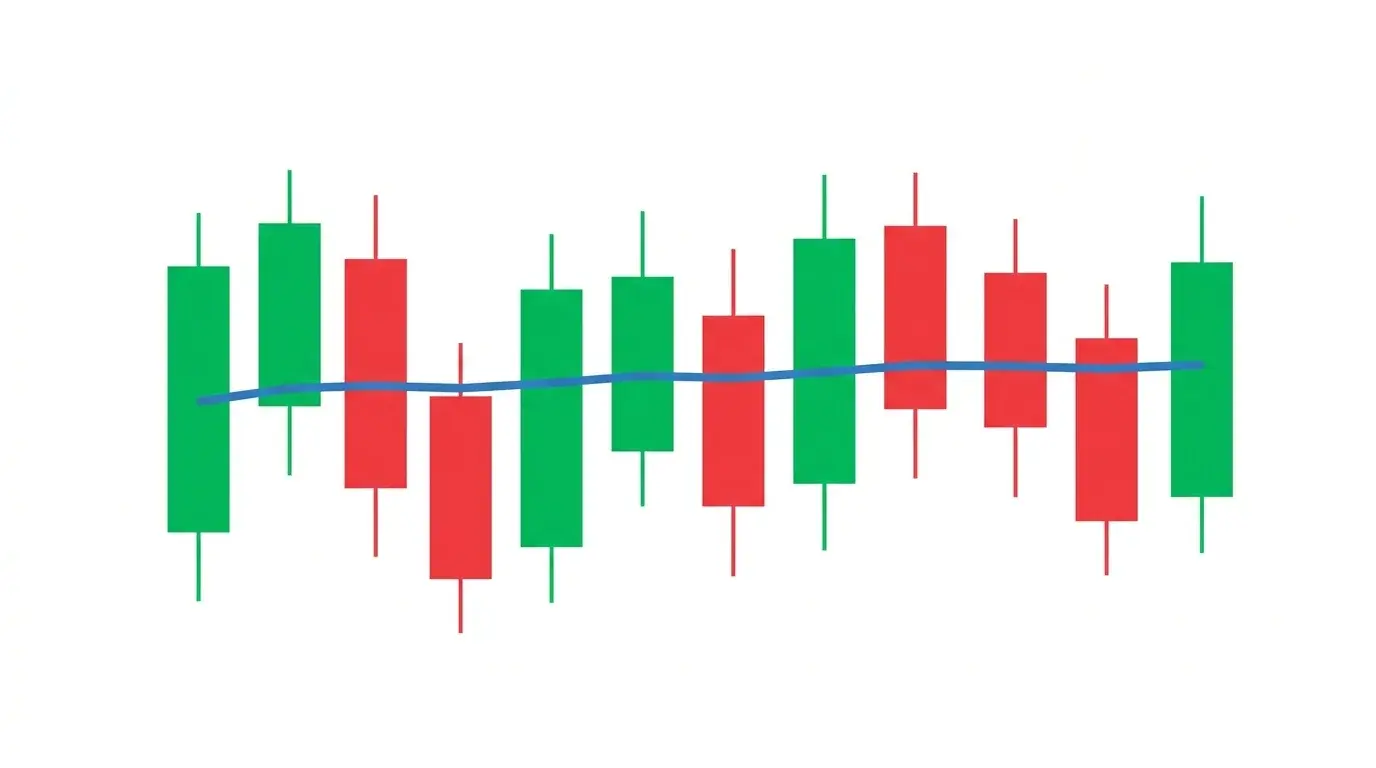
Verdict: genuine edge as a mean-reversion anchor for intraday equities and FX; fades on trend days and 24/7 markets.
2. Volume Profile
Volume Profile shows you, for a chosen range of time, how many contracts or shares traded at each price level — plotted horizontally instead of vertically. The result is a histogram that reveals the Point of Control (POC, the single price with the most volume), the Value Area (where roughly 70% of volume traded), and the low-volume nodes (LVNs, price zones with thin participation). It's one of the only tools that tells you where buyers and sellers actually agreed on value, rather than where they briefly touched.
The edge is in the LVNs. When price enters a low-volume node, it tends to move through it fast — there's nobody home to absorb the flow. High-volume nodes, by contrast, act as magnets and congestion zones because the market has already "agreed" that price belongs there. Professional futures desks have built entire systems around auction-theory volume profiling for good reason: it's a literal map of where the market thinks value lives, and that map is slow to change.
Where it falls apart: spot forex, where volume data is fragmented across brokers and can't be aggregated reliably. Tick volume is a poor proxy — it counts price updates, not contracts. On futures and equities the tool is genuinely powerful; on retail spot FX platforms the profile is a lie dressed up as insight. The 2026 honest take: if you trade futures, indices, or equities, learn this tool properly. If you trade spot FX, don't waste your time — use currency strength instead.
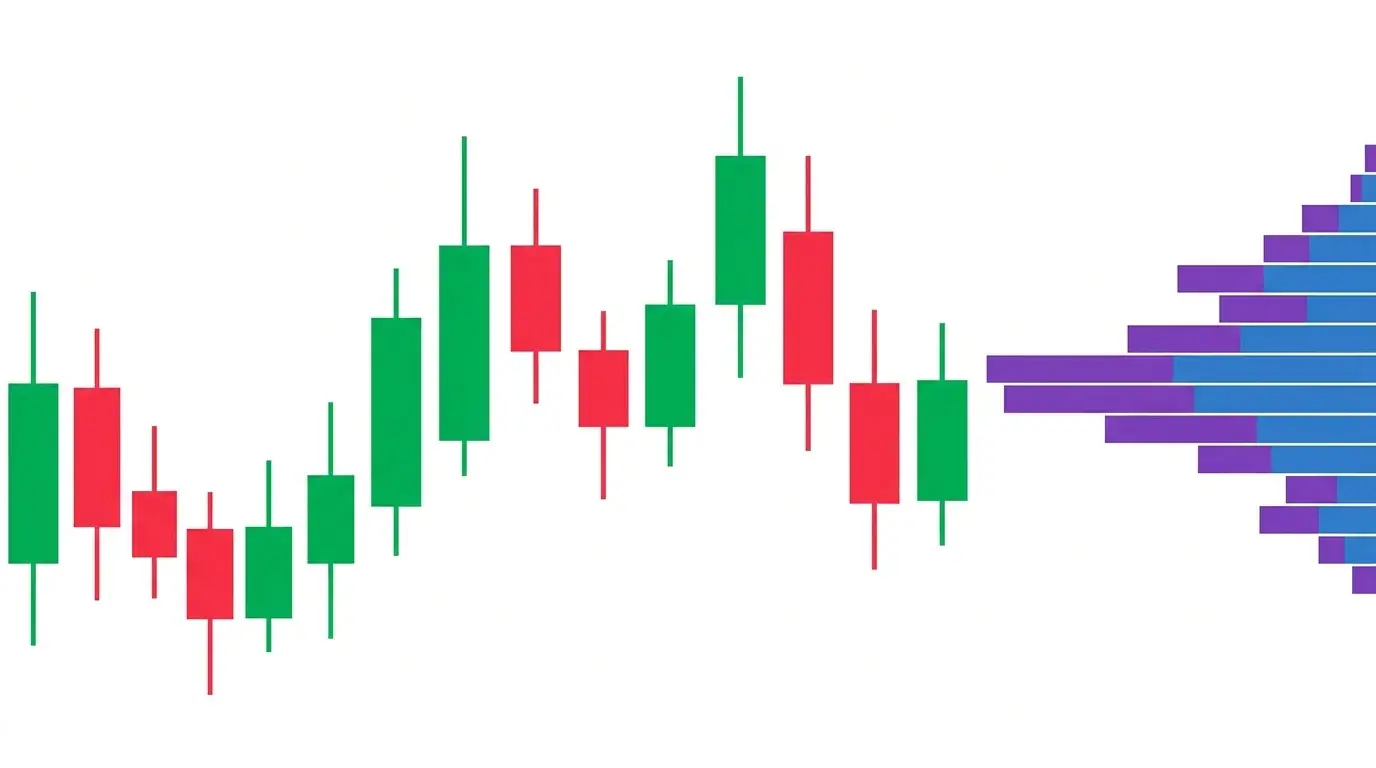
Verdict: real edge on futures, indices, and equities where volume data is reliable; borderline useless on retail spot forex.
3. Moving Averages (SMA / EMA)
A moving average is the arithmetic mean of closing prices over a lookback. That's it. No hidden math, no proprietary smoothing, no Fibonacci scaling. The 50 EMA is the average close of the last 50 candles, emphasis on the most recent. And yet this staggeringly simple tool earns the #3 spot because of the one thing it has that most indicators don't: collective belief.
Every sell-side desk, every CNBC anchor, every retail trader on TradingView watches the 50 and 200 day moving averages on the SPX, DXY, gold, and every major FX pair. That collective attention creates a reflexive loop — a tag of the 200 EMA on a daily chart generates actual buy orders because traders have pre-placed them there. The "golden cross" (50 crossing above 200) and "death cross" (the reverse) produce real flow because they produce real headlines. This is the rare case where an indicator's popularity is its edge.
Where it falls apart: on lower timeframes and in chop. A 20 EMA on a 5-minute chart has no institutional meaning and gets whipsawed into oblivion during range conditions. The other failure mode is stacking too many MAs — if your chart has a 9, 21, 50, 100, and 200, you're not using moving averages anymore, you're using a rainbow. The 2026 honest take: daily 50 and 200 EMAs on major assets are load-bearing. Everything else is decoration. If you only use one trend tool, use this one.
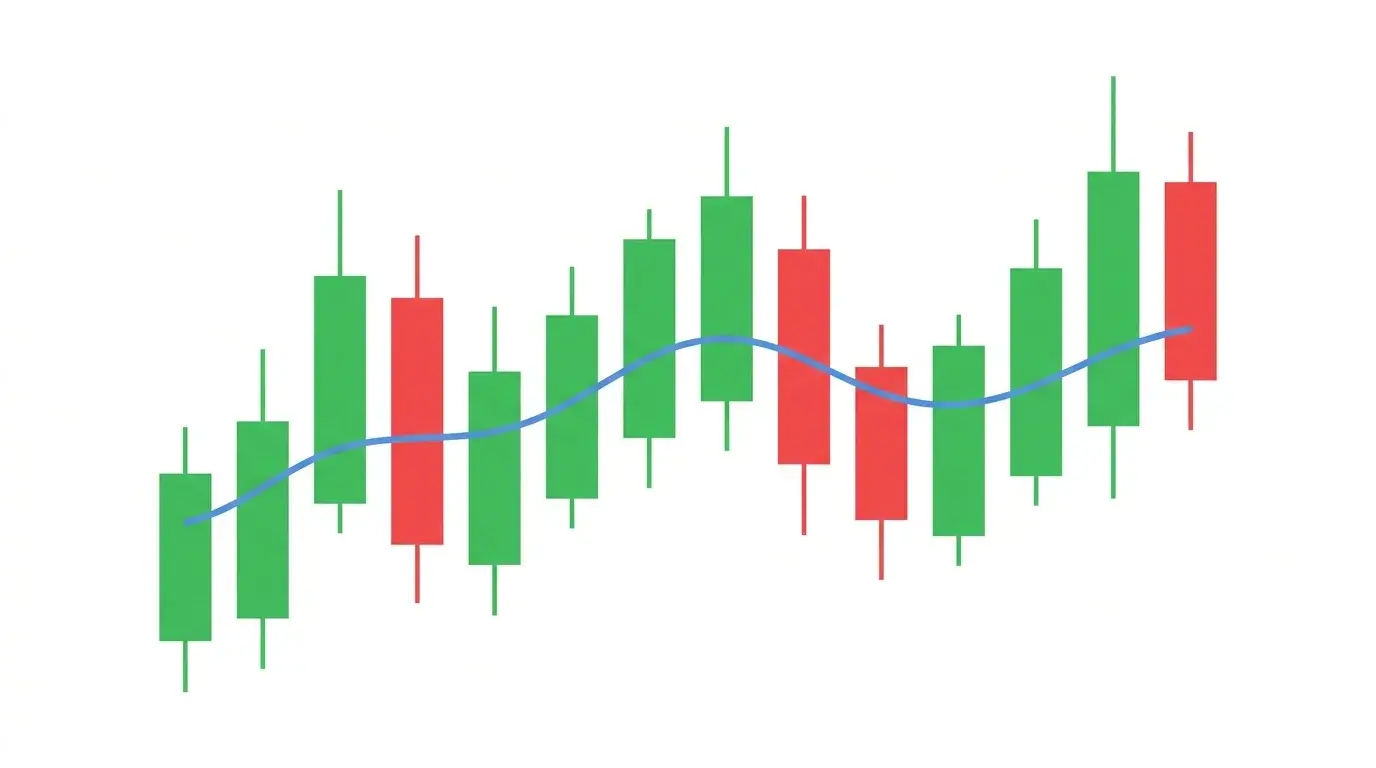
Verdict: the simplest tool on the list and one of the most useful; the 50 and 200 EMA are load-bearing on daily charts of major assets.
4. ATR (Average True Range)
ATR measures volatility — literally, the average distance price travels per candle over a lookback. It doesn't predict direction. It doesn't produce buy or sell signals. It tells you, in raw dollars or pips, how much the instrument typically moves. And that one piece of information is more valuable than 90% of the oscillators that try to time tops and bottoms.
The edge is in position sizing and stop placement. If EUR/USD has a 14-day ATR of 70 pips, a 20-pip stop is noise — price breathes through that every day without any directional intent. A 100-pip stop is rational. Knowing the instrument's volatility regime turns random stop-outs into defensible risk parameters. Professional desks size every position by ATR, not by a fixed dollar amount, because a fixed stop is a bet that volatility never changes. ATR also flags regime shifts — when the 14-period ATR doubles in a week, something structural changed and you should adjust every open trade accordingly.
Where it falls apart: it doesn't. ATR's only limitation is that it's a sizing tool, not a signal tool — people who expect it to tell them when to enter are using it wrong. The 2026 honest take: every serious trader should have ATR on every chart, used for stop-sizing and nothing else. If your current stops are round numbers instead of ATR-derived, you're leaving expectancy on the table.
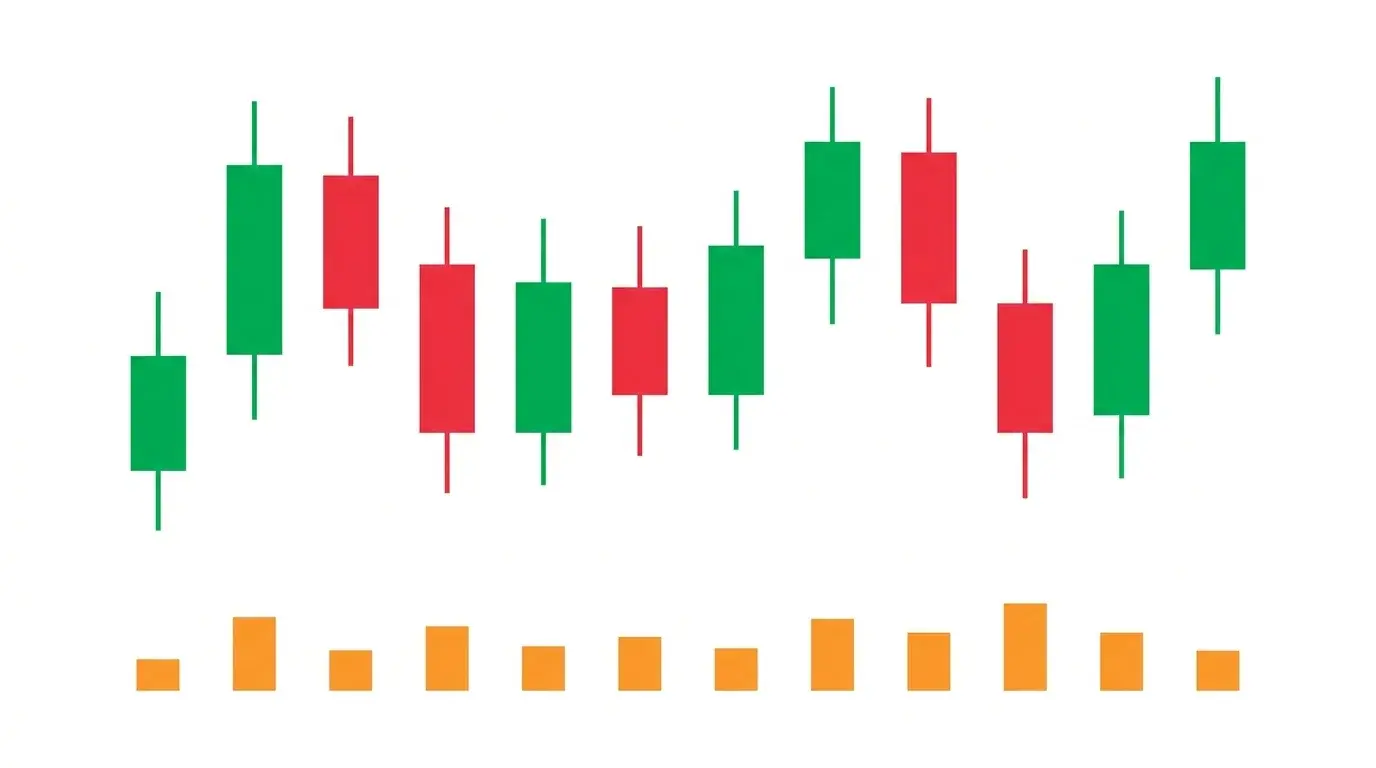
Verdict: not a signal, a measuring stick — essential for position sizing and stop placement on every serious trade.
5. Bollinger Bands
Bollinger Bands plot a 20-period moving average with two standard deviations of price plotted above and below. The envelope widens when volatility expands and contracts when it compresses. It's essentially a visual ATR — ATR tells you the number, Bollingers show you the shape. The genuine contribution is the squeeze: when the bands compress to a historical minimum, volatility is coiling and a breakout is statistically imminent within a handful of candles.
Where they have real edge: volatility-regime recognition. A Bollinger squeeze on a daily chart of a currency pair or index is a reliable precursor to an expansion move — not necessarily in a known direction, but volatility itself is about to wake up. This makes the tool useful for when to pay attention, not where to enter. Combining a squeeze with a fundamental catalyst (earnings, FOMC, CPI) gives a legitimate edge because the catalyst resolves the direction and the squeeze confirms the magnitude.
Where they fall apart: the "touch the band, fade the move" strategy. Trading books love to pitch this as mean-reversion, and it works in ranging markets exactly until a real trend shows up and the band-walk destroys every contrarian. Bollinger himself has said publicly that touches are not signals. The 2026 honest take: use the squeeze, ignore the touches. And never use Bollingers as a standalone entry trigger — they're a volatility lens, not a decision engine.
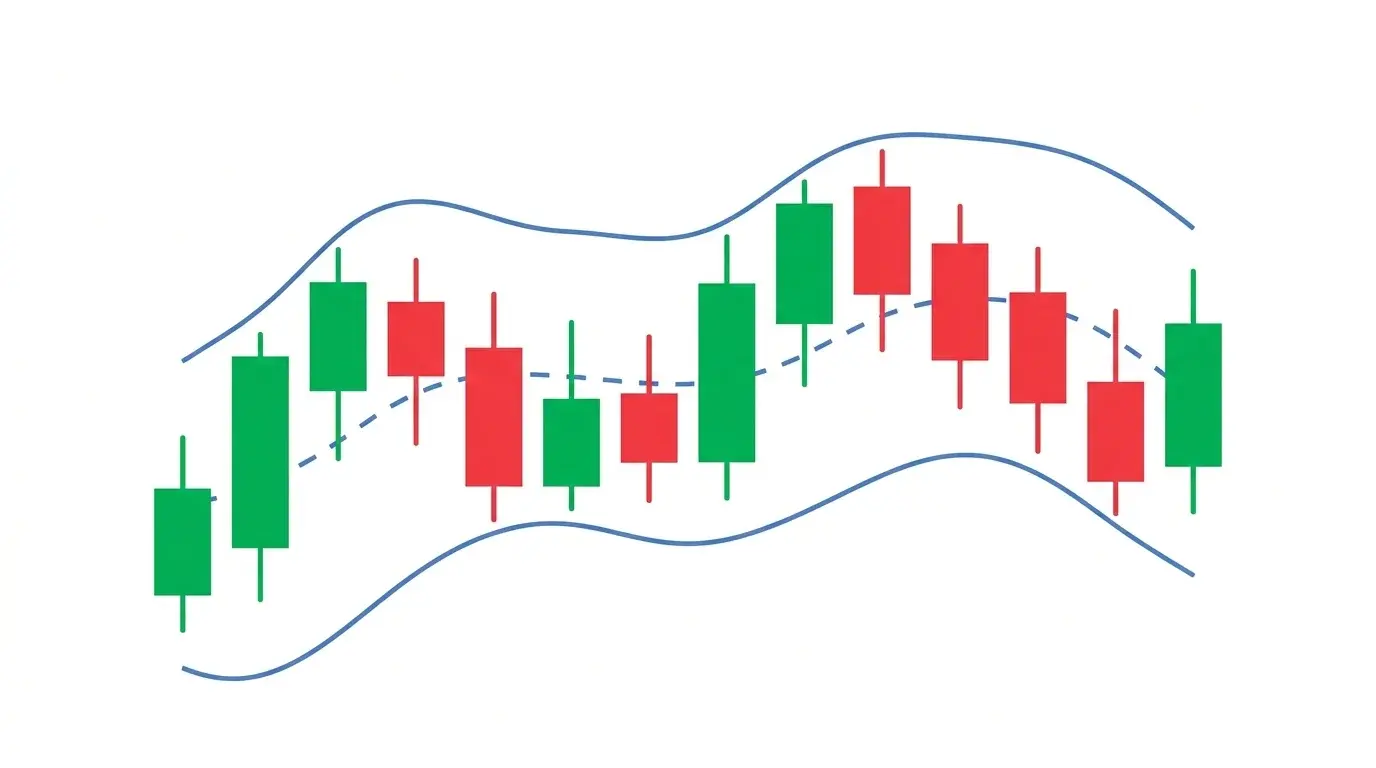
Verdict: real edge on the squeeze for volatility-regime signals; treat band-touch fades as the trap they usually are.
6. RSI (Relative Strength Index)
RSI is a momentum oscillator that maps recent closes onto a 0-100 scale. Above 70 is conventionally "overbought," below 30 is "oversold." It was designed by J. Welles Wilder in 1978, and in that era, on end-of-day equity data, the 70/30 rule had legitimate mean-reversion edge. In 2026, on 24-hour global markets with algo-driven trend days, the standard rule is a coin-flip at best — strong assets stay overbought for weeks, weak assets stay oversold for months.
Where RSI still has real edge: divergence. When price prints a new swing high but RSI prints a lower high, momentum is fading under the surface even as the chart still looks strong. Classical bearish and bullish divergences, especially on higher timeframes (4H and daily), remain one of the few genuinely predictive patterns in technical analysis. The second legitimate use is the centerline — RSI above 50 during a pullback is a tell that the uptrend is intact; a drop below 50 into the pullback says momentum has actually rolled.
Where it falls apart: as a standalone trigger. Selling every 70 print on a trending stock loses money across any realistic sample. Buying every 30 print in a downtrend does the same. The 2026 honest take: RSI is a context tool, not a decision tool. Use it for divergence and centerline state; retire the 70/30 rule forever unless you're trading a confirmed range.
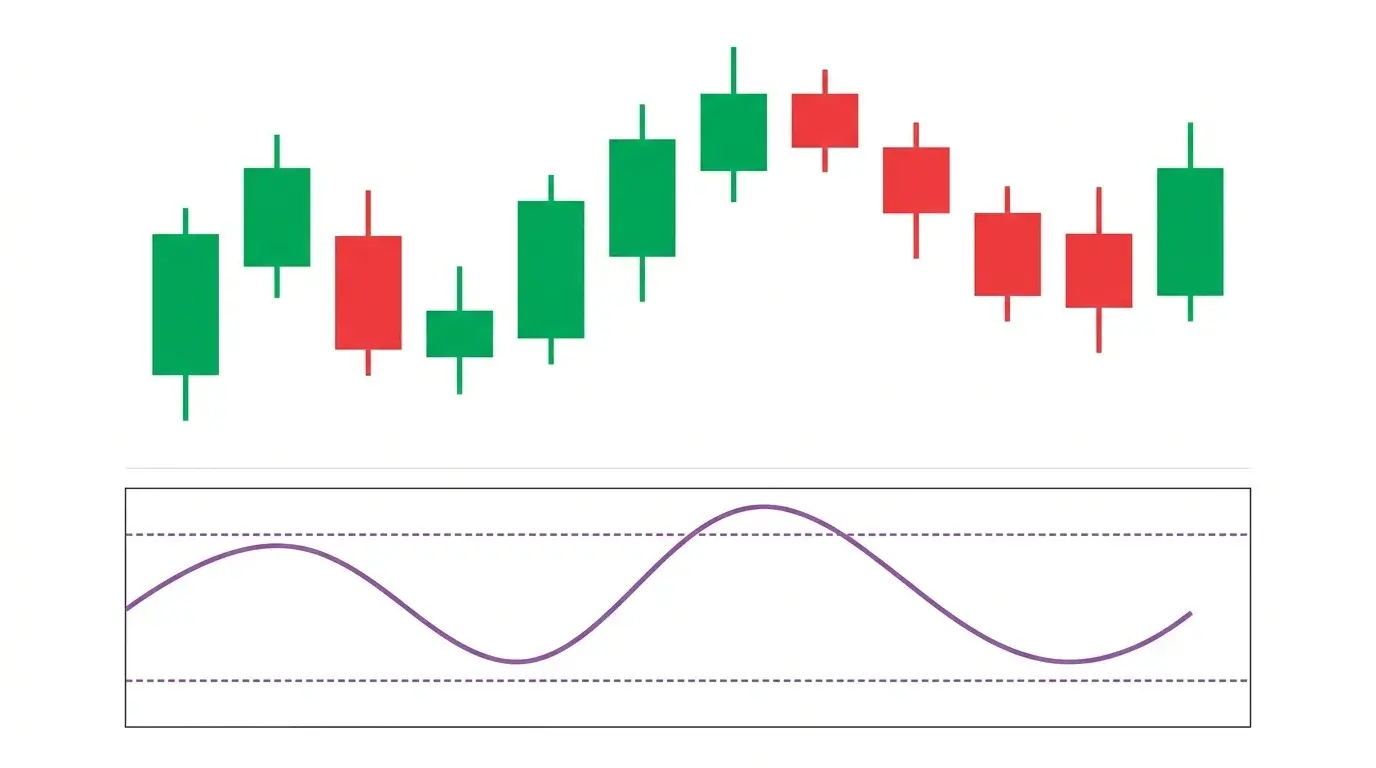
Verdict: divergence and the 50 centerline still have edge; the 70/30 overbought/oversold rule is a museum piece.
7. MACD (Moving Average Convergence Divergence)
MACD is the difference between a 12 EMA and a 26 EMA, smoothed by a 9 EMA signal line, with a histogram showing the gap between the two. Strip away the marketing and it's a moving average crossover with extra math. Which means the underlying signal is the same as the golden cross you could see on a bare chart — just repackaged as a secondary indicator in a separate pane.
Where MACD has real edge: histogram divergence and zero-line context. A shrinking histogram during a strong move is an early warning that momentum is decelerating, often days before price actually turns. The zero-line gives a binary trend state — MACD above zero means the 12 is above the 26 (bullish momentum regime); below zero is the opposite. This is useful for bias filtering: don't take long setups when MACD is below zero unless you're explicitly playing a reversal.
Where it falls apart: the signal-line cross as a standalone trigger. Every trading education company on the internet has sold a course built on this, and every one of those courses lost its students money in the long run because the cross is lagging by definition — it happens after the move is already underway. The 2026 honest take: MACD is a redundant indicator if you already have moving averages on your chart. Use it for divergence context or delete it. The signal-line cross is not an edge, it's a restatement.
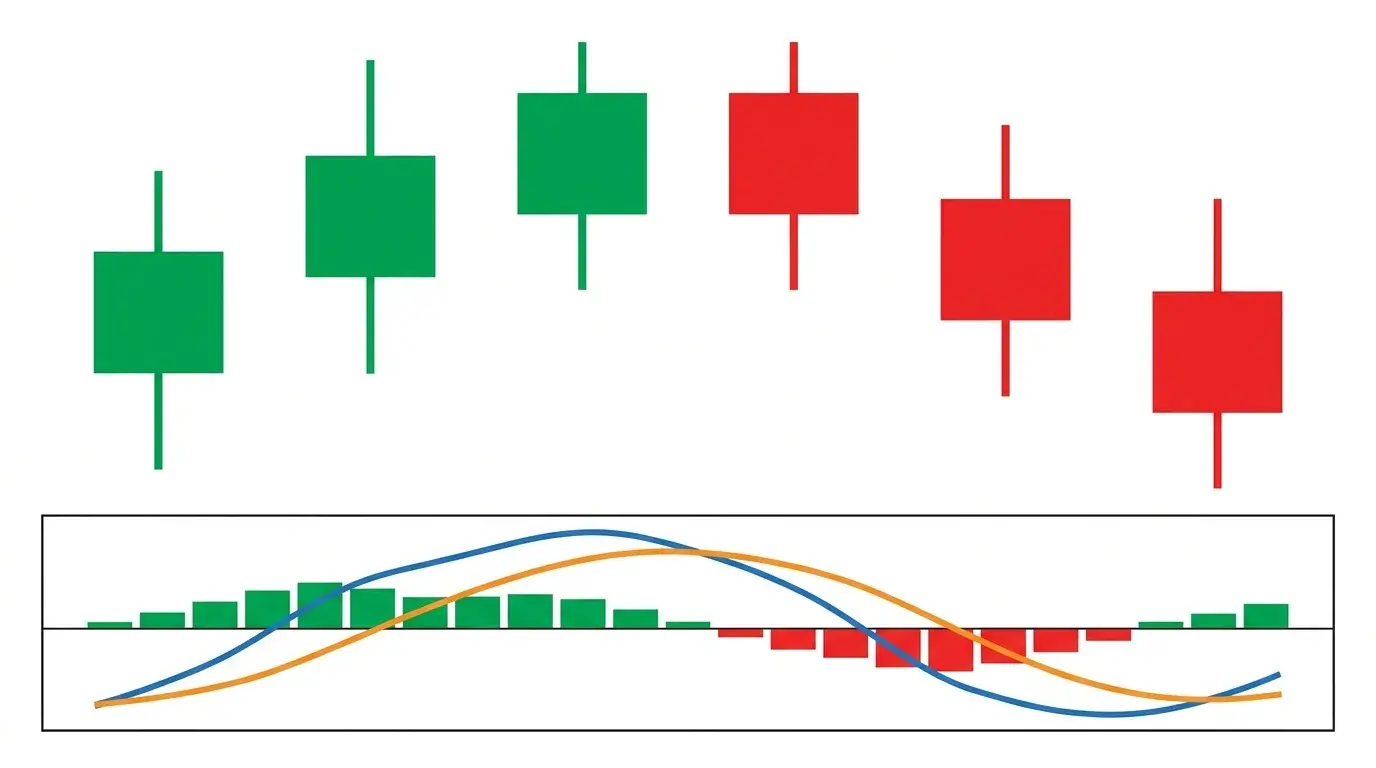
Verdict: histogram divergence is useful; the signal-line cross is a lagging restatement of information already on the chart.
8. Supertrend
Supertrend is an ATR-based indicator that draws a single colored line above or below price depending on the current trend direction. When price closes on the opposite side of the line, the color flips and the indicator declares a new trend. It looks clean, it looks decisive, and it's one of the most viral indicators on crypto Twitter. That visibility is exactly why it deserves scrutiny.
Where it has genuine edge: strongly trending markets. In a clean uptrend on a higher timeframe, the Supertrend line becomes a dynamic trailing stop that keeps you in the move until a real reversal arrives. Used this way — as an exit tool on an already-established position — it does exactly what ATR-based trailing stops do, which is decent, mechanical risk management. Traders who use it this way report consistent, if unspectacular, edge on instruments that trend cleanly like index futures and some large-cap crypto.
Where it falls apart: chop. Supertrend's binary color-flip design means it whipsaws viciously in ranges, stopping long-longs into fresh shorts that immediately become long-longs again. Every flip is a commission and a spread crossed. The other issue: because it's an ATR derivative already, stacking it with ATR adds no information — it just hides the raw volatility reading under a colored coat. The 2026 honest take: Supertrend is a trailing stop dressed as a signal. Use it for exits in confirmed trends, never as a standalone entry trigger.
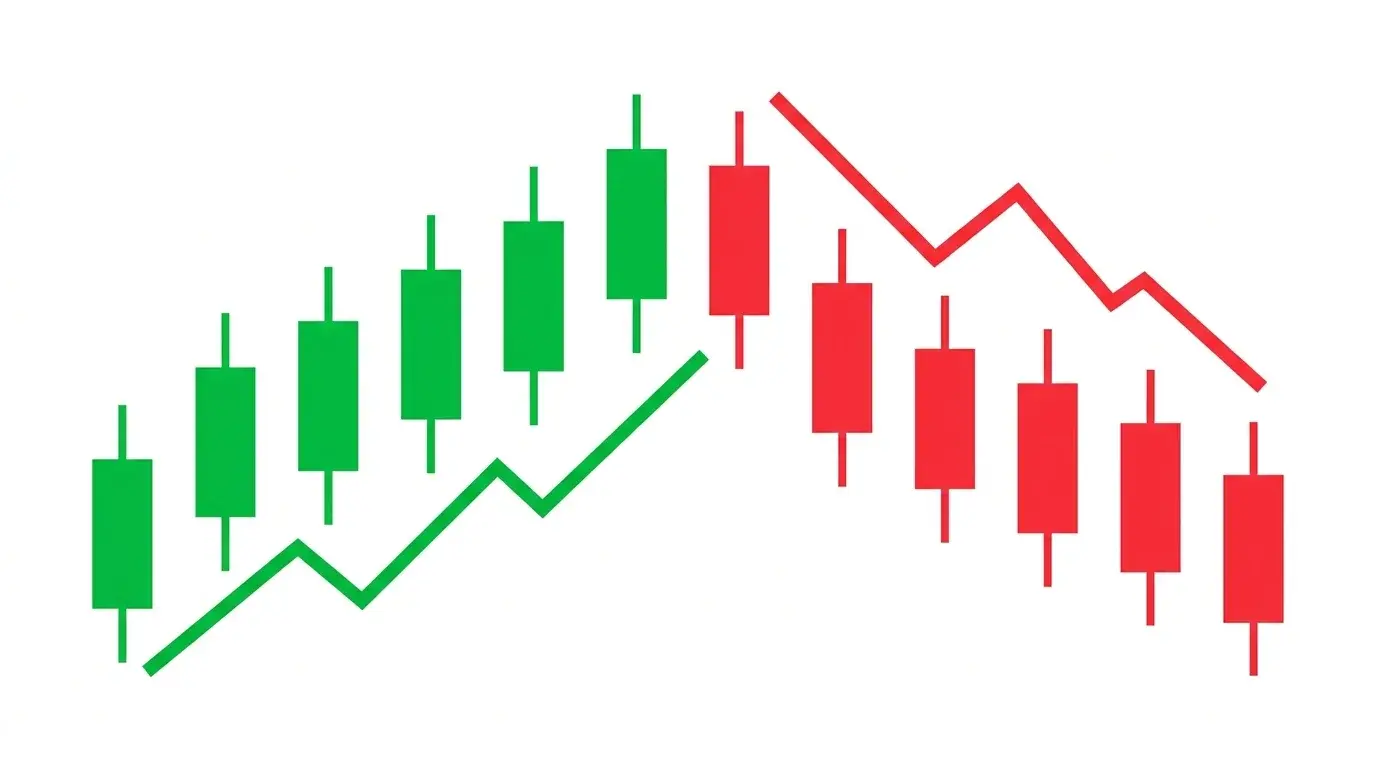
Verdict: useful as an ATR-based trailing stop in confirmed trends; a disaster as a standalone entry trigger in chop.
9. ADX (Average Directional Index)
ADX measures trend strength, not direction. It ranges from 0 to 100, with readings above 25 conventionally indicating a trending market and readings below 20 indicating a range. It was designed as a filter — a tool to tell you whether it's a day to use trend-following setups or mean-reversion setups. In that narrow role, it can add value.
Where it has real edge: as a regime filter on systematic strategies. A trend-following system that only takes trades when ADX is above 25 typically outperforms one that takes every signal, because the filter rejects the chop that destroys trend-followers. Quant shops use ADX or an equivalent volatility/trend-strength filter on virtually every strategy for this exact reason. Used correctly, it's a legitimate gate.
Where it falls apart: as a directional trigger. ADX only tells you how strong the trend is, not which direction. The +DI and -DI sub-lines are supposed to supply direction, but in practice they're lagging crossovers similar to a 9-EMA/21-EMA cross and offer no independent information. The other problem: ADX is slow. By the time it prints above 25, the juiciest part of the trend is often already behind you. The 2026 honest take: ADX is a quiet filter, not a loud signal. Useful for strategy gating, useless as an entry trigger.
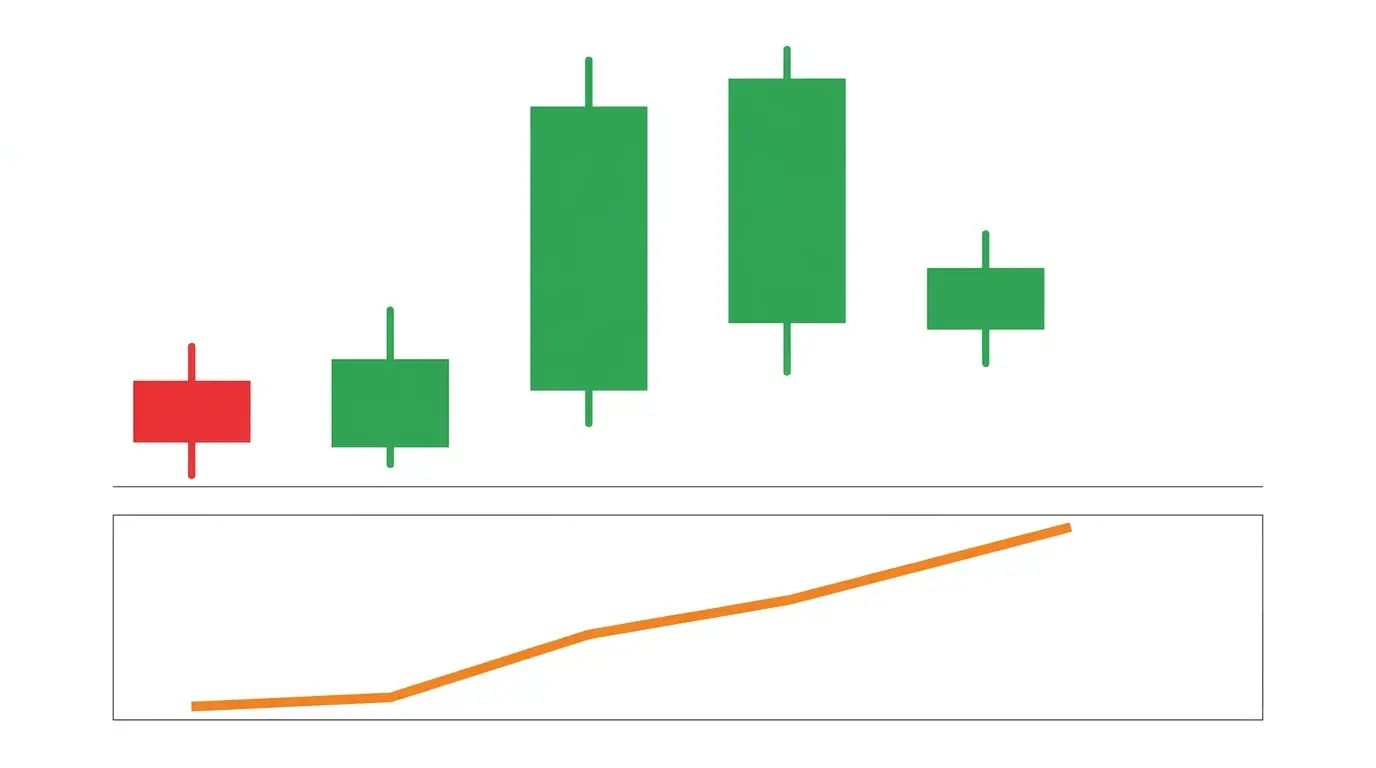
Verdict: a legitimate trend-strength filter for systematic strategies; useless as a standalone directional trigger.
10. Fibonacci Retracements
Fibonacci retracement plots horizontal lines at the 23.6%, 38.2%, 50%, 61.8%, and 78.6% levels between a swing high and a swing low, with the claim that price will often pull back to one of these ratios before resuming the trend. The mathematical story is that these ratios are derived from the Fibonacci sequence and echo patterns found in nature. The trading story is that they're self-fulfilling because so many people watch them.
Where Fibonacci has real edge: the 50% and 61.8% levels on clear swings, on higher timeframes, on liquid instruments. The edge is almost entirely reflexive — traders place orders at these levels, so price bounces off them because orders are there. That's not magic, it's order-flow. The 50% retrace is also a natural pullback zone regardless of Fibonacci branding — it's the midpoint of the move. Combined with a moving average or VWAP confluence, a 50-61.8% retrace can be a legitimate entry zone.
Where it falls apart: selection bias. The "swing high" and "swing low" are picked by the trader after the fact, and anyone sufficiently motivated can find a Fibonacci level that explains any price reaction. The 23.6%, 38.2%, and 78.6% levels are almost never meaningful — they're noise decoration. The deeper issue: ratios pulled from sunflower seeds and rabbit populations have no a priori reason to govern liquid futures markets. The 2026 honest take: use the 50% and 61.8% as potential reaction zones, not magic lines. Confluence with a moving average or volume node is what turns a Fib level into a trade.
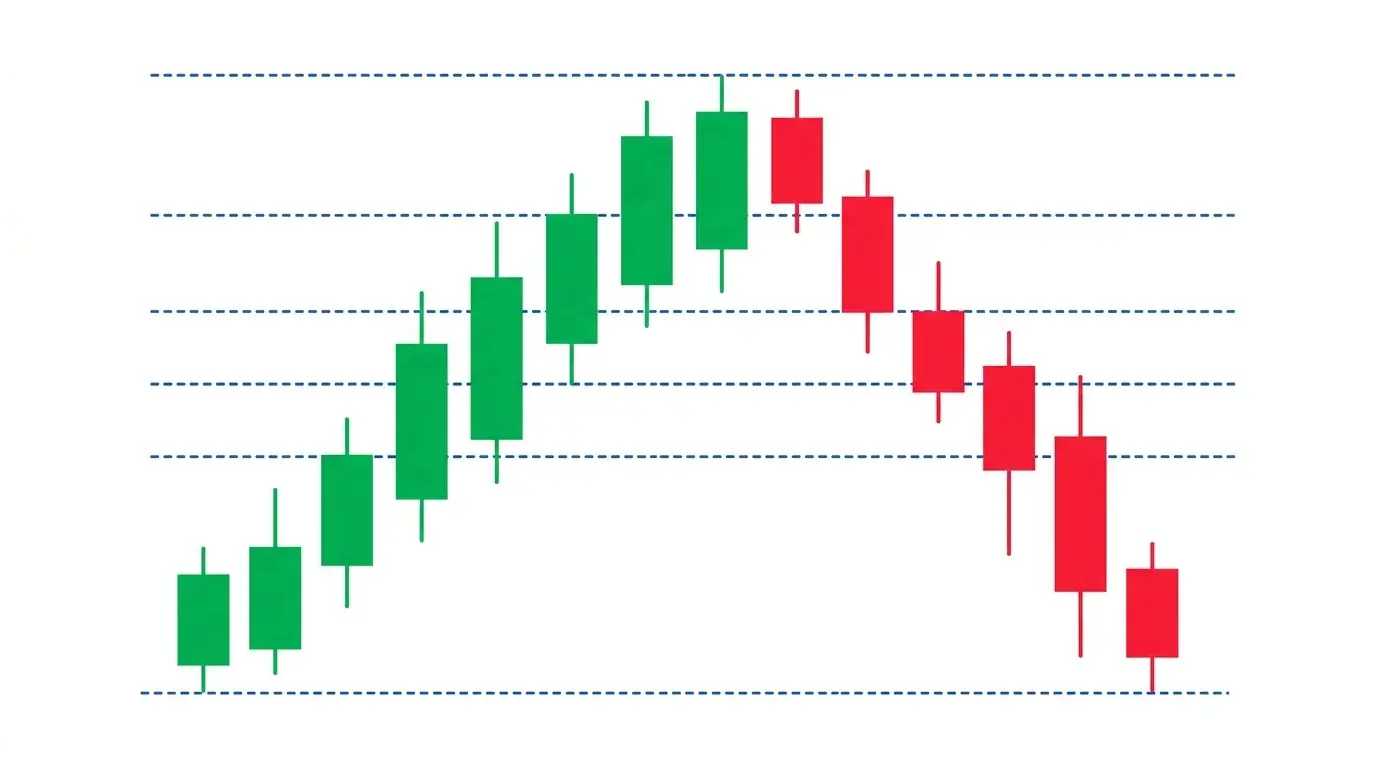
Verdict: the 50% and 61.8% levels have reflexive edge in confluence with other tools; the other ratios are decoration.
11. Ichimoku Kinko Hyo
Ichimoku is a five-line Japanese system that wraps a trend-following framework around a chart: the Tenkan-sen, Kijun-sen, Senkou Span A, Senkou Span B (which together form the cloud or Kumo), and the Chikou Span. The pitch is that the cloud gives you support, resistance, trend, and momentum in a single glance. The reality is that every one of those five lines is a moving-average derivative — the entire system is a visual remix of price smoothing.
Where Ichimoku has some edge: the cloud itself as a trend-state filter. Price above a thick green cloud on a daily chart is a strong bullish environment; price under a thick red cloud is a strong bearish one. If you use only the cloud and ignore the other four lines, you have something resembling a usable regime filter — essentially a multi-period moving average envelope dressed in Japanese clothing.
Where it falls apart: the sheer visual clutter. Five lines, one cloud, a color-filled region projected 26 candles forward, a lagging span drawn 26 candles backward — on any timeframe below daily, the chart becomes unreadable and the signals contradict each other. Purists claim the system "works as a whole," but no statistical study has ever isolated meaningful independent alpha in the non-cloud components. The 2026 honest take: Ichimoku is elegant in theory, cluttered in practice, and redundant with simpler moving averages. Keep the cloud if you like it; delete the rest.
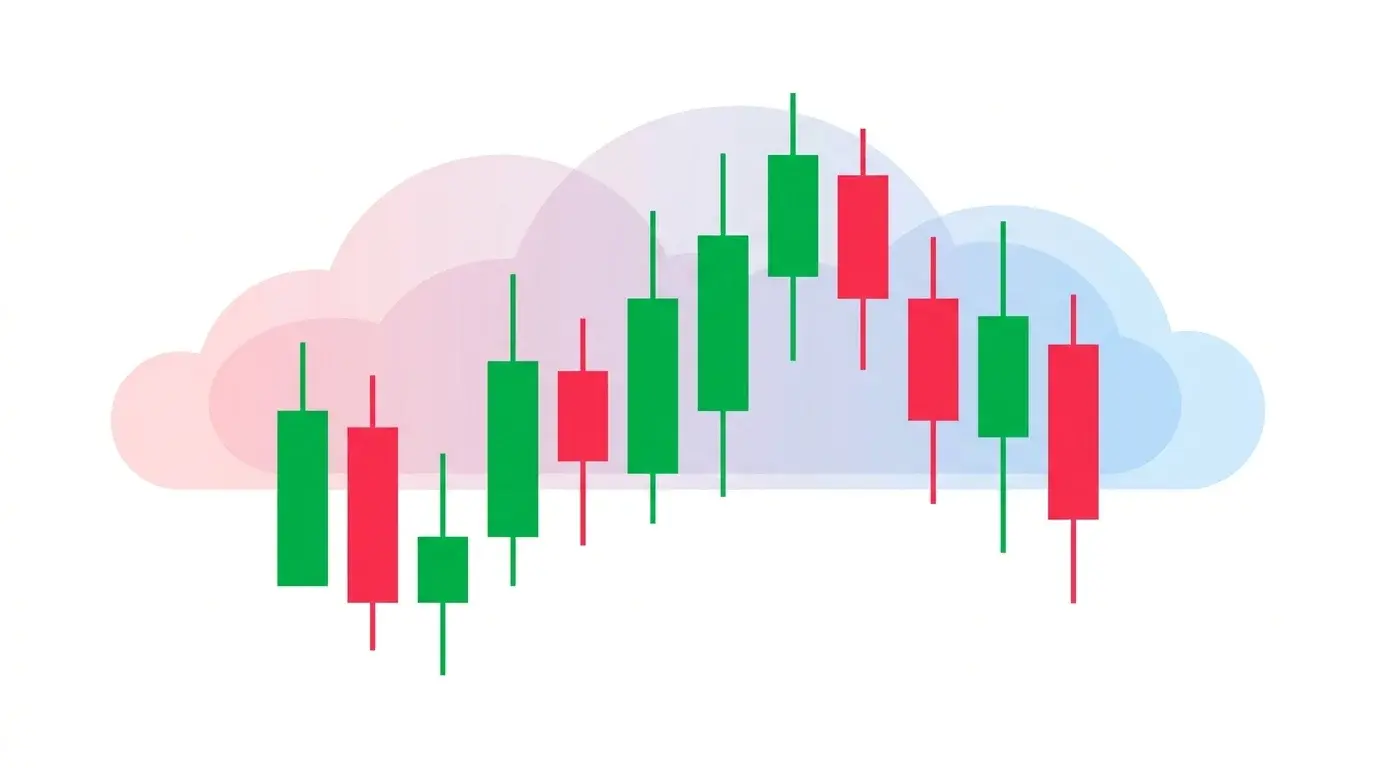
Verdict: the cloud is a decent trend-state filter on daily charts; the other four components add clutter without independent alpha.
12. Stochastic Oscillator
The Stochastic Oscillator compares a close to its recent range, producing a 0-100 reading that's intended to flag overbought (above 80) and oversold (below 20) conditions. It was invented in the 1950s by George Lane, and by modern standards it's an almost strictly inferior version of RSI — faster, noisier, more prone to premature signals, and less useful for divergence analysis because the oscillator pins at its extremes much longer than RSI does.
Where Stochastic still has narrow edge: on confirmed range-bound instruments on very specific timeframes, the %K/%D crossover at an extreme can add marginal timing precision to a setup that's already been pre-qualified by something else. This is a narrow, defensible use case. Some mean-reversion systems on commodity pairs still find it mildly additive when stacked with a range filter like ADX below 20.
Where it falls apart: everywhere else. In a trend, Stochastic sits pinned at 80+ or 20- for dozens of candles while the move continues, generating a constant stream of losing fade signals. The "stochastic RSI" variant that TradingView popularized is even worse — a derivative of a derivative, with all the noise and none of the new information. The 2026 honest take: Stochastic is the most over-used and under-performing indicator in mainstream retail education. If your strategy still depends on it, replace it with RSI centerline state or ATR-sized entries, and your expectancy will almost certainly improve.
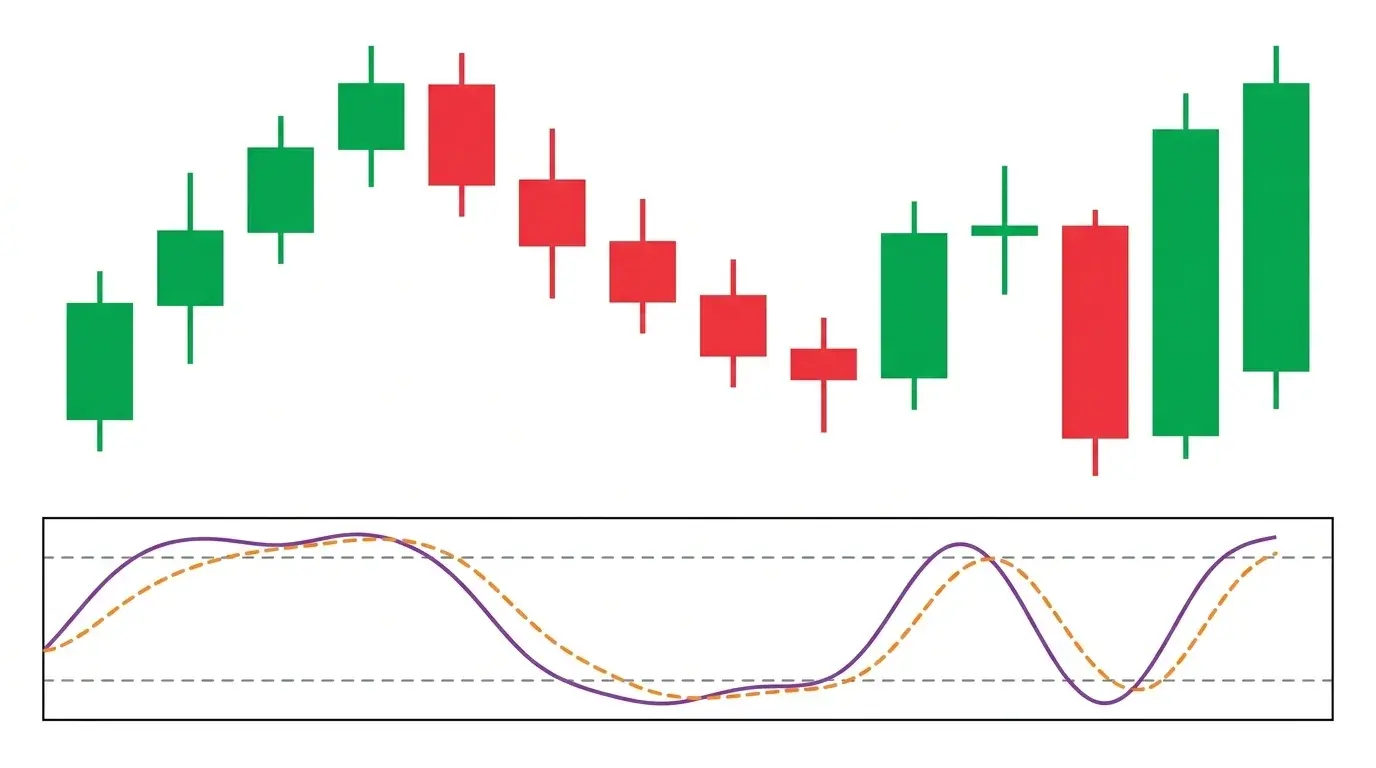
Verdict: a noisier, older RSI with almost no independent edge; delete it from your chart and replace it with ATR-sized entries.
The Bottom Line
The honest ranking collapses to a simple rule: indicators that add orthogonal data (volume, volatility) outperform indicators that re-smooth price. VWAP, Volume Profile, and ATR sit at the top because they tell you something the candles cannot. Moving averages rank high because collective belief makes them load-bearing — the same reason every meaningful support and resistance level earns its respect. Everything below that is a different-colored version of the same price input — useful only as context, never as a standalone trigger.
The highest-expectancy setups in 2026 stack tools across those categories: a volume anchor (VWAP or volume node), a volatility filter (ATR or Bollinger squeeze), a trend context (50/200 EMA or Ichimoku cloud), and — critically — a news-flow check to know whether the macro regime is even stable enough to trust the chart. The same ATR reading that sizes the entry should also drive your stop loss placement — volatility-aware position sizing is the unglamorous half of the edge. ChartSnipe combines several of these into a single live workflow: AI chart analysis that reads price structure alongside VWAP and moving averages, live prices and currency strength across 32 instruments, and a daily news impact dashboard that flags when a central bank decision or geopolitical shock is about to override whatever the indicators say. If you'd rather stop tab-switching between six tools and see the stack in one place, the AI News Impact dashboard is the fastest way in.
Stop collecting indicators. Start stacking information types. The traders who consistently come out ahead aren't the ones with the prettiest Ichimoku cloud — they're the ones who know exactly which four lines on their chart are doing real work and have the discipline to ignore everything else.
Related Articles

Currency Strength Meter: The 2026 Guide
How currency strength math actually works, the strong-vs-weak pairing rule, and how live strength meters combine with news impact.
AI Forex Chart Analysis in 2026
Live prices for 28 FX pairs, currency strength index, daily AI news impact, and screenshot-based technical analysis — what actually works.

Best AI Chart Screenshot Analysis Tools Tested
Six AI tools that analyze chart screenshots, ranked by pattern accuracy, price-level accuracy, live data, and speed.

Written by the ChartSnipe Team
ChartSnipe is an AI-powered chart screenshot analysis tool and daily AI news impact analysis platform for forex, gold, Bitcoin, S&P 500, and Nasdaq traders. Our team combines deep experience in technical analysis, AI vision models, and live market data across 32+ instruments to deliver actionable trading insights.
See the indicator stack live across 32 instruments
VWAP, moving averages, ATR-aware sizing, currency strength, and daily AI news impact — all in one workflow. Updated every five minutes.
Open News Impact Dashboard