
Scalping Strategy Forex: 10 Setups for M5 and M15 Charts
Scalping is the hardest style retail trades. Spreads and commissions are brutal, emotional intensity is off the charts, and hit-rate has to stay above 60% just to pay the costs. These are the ten M5 and M15 setups that still work when all of that is priced in.
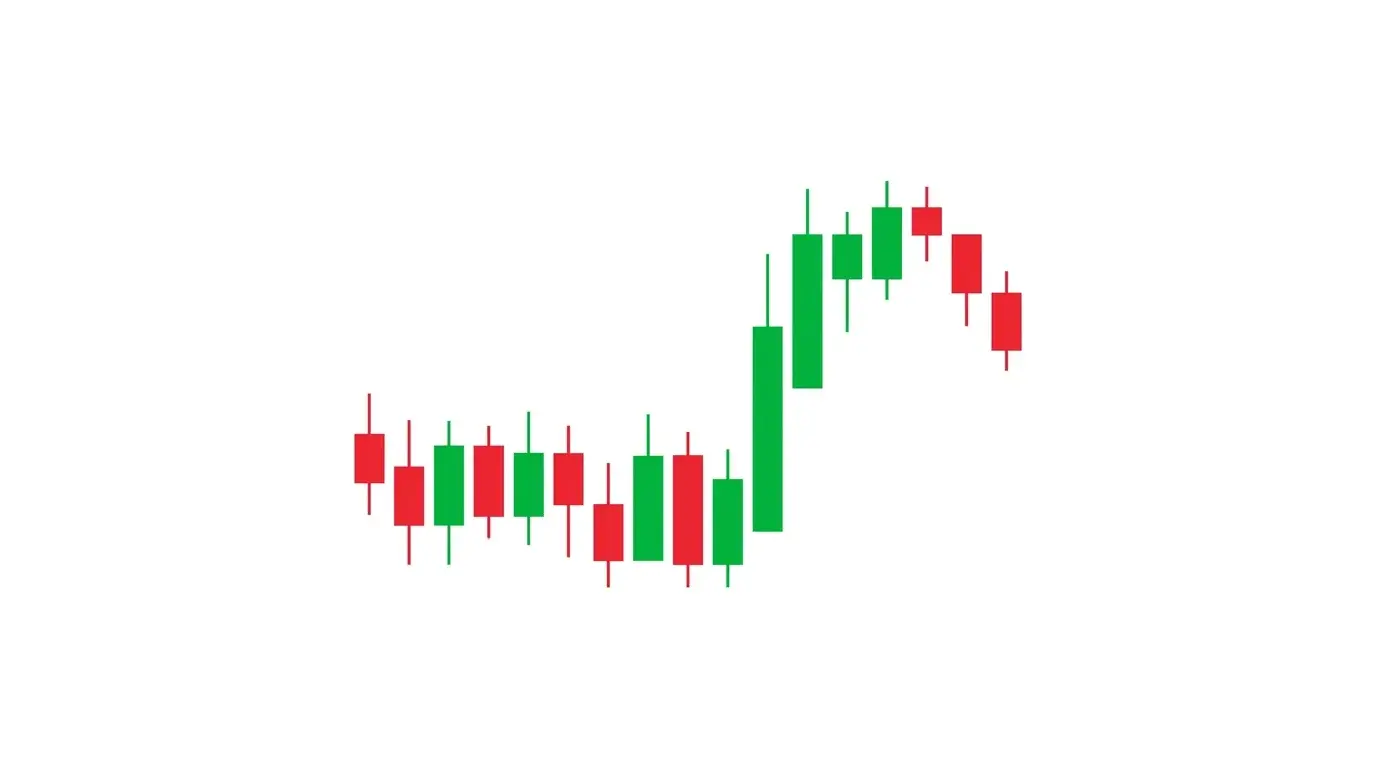
Scalping is the hardest style of trading a retail account can run. The spread eats a bigger fraction of every move, commissions compound across dozens of trades a day, and the emotional intensity of a +7 pip / -5 pip cycle thirty times a session will burn out most traders inside a month. Anyone selling you a scalping course that promises "100 pips a day from M1 with one indicator" is selling you the dream, not the reality.
The honest version: scalping edge lives in session-specific setups on M5 and M15 — not in chasing M1 noise. The ten setups below are structured around when they fire (London open, NY open, post-news windows, quiet Asia range) and built around ATR-scaled stops and targets so the math still works after costs. Pair with a disciplined stop-loss method and the session-timing framework and you have a complete scalping toolkit.
Key Takeaways
- →Session timing is the edge — London open, NY open, and the post-news window generate more tradable scalps than the rest of the day combined.
- →M5 and M15 beat M1 for a retail account — the spread is the same but the average move per bar is multiples larger.
- →Scalping stops are ATR-scaled, not pip-fixed — a 10-pip stop is a joke on GBP/JPY London open and is excessive on EUR/CHF in Asia.
- →Target to stop ratios for scalps typically sit at 1:1 to 1.5:1 — hit rate has to be 60%+ for the math to work after costs.
- →The best scalps are the ones where the chart forces you to click — if you are squinting to find a reason, you do not have one.
1. M5 VWAP Bounce — Intraday Mean-Reversion
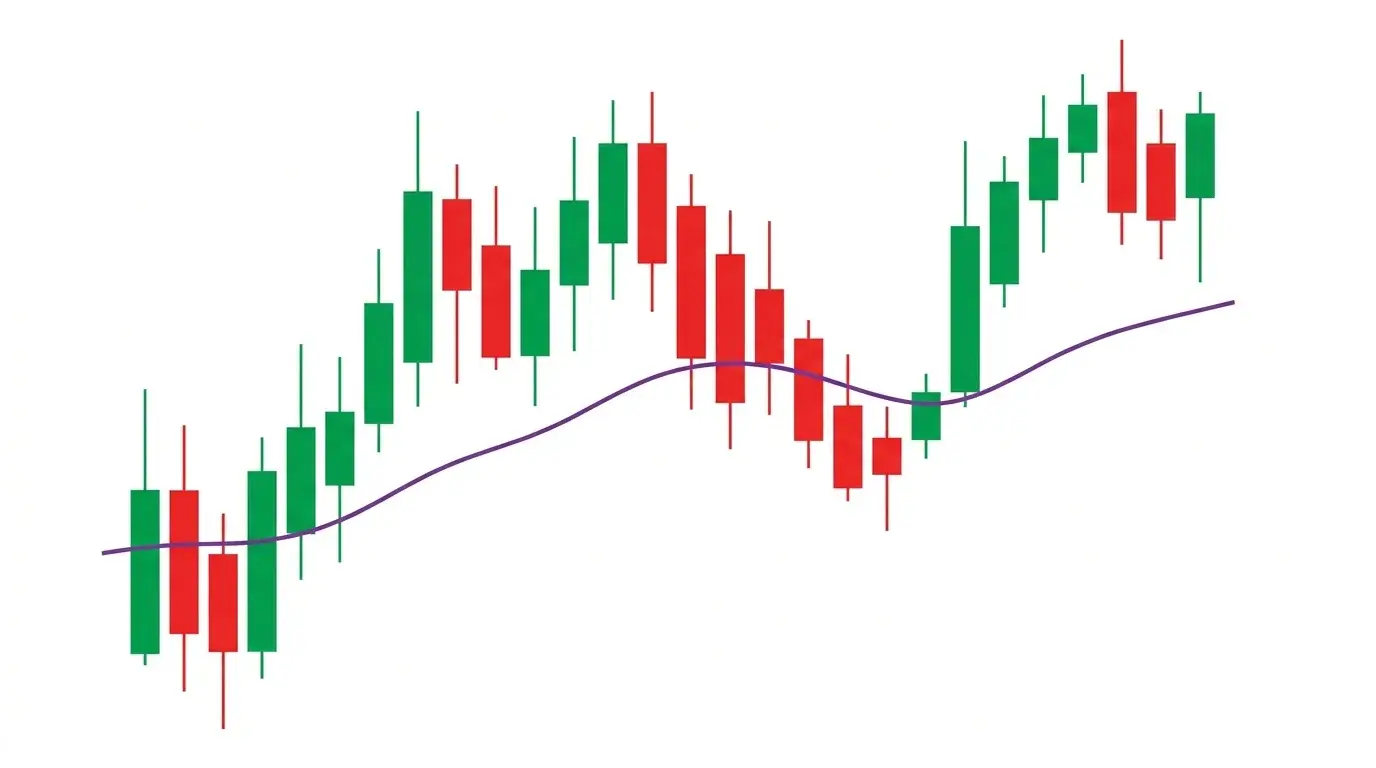
The setup. On a trending session (directional opening drive from London or NY), wait for price to pull back cleanly to the session VWAP. Enter on the first M5 rejection candle off VWAP in the direction of the prevailing trend. Stop goes 0.3 to 0.5 ATR beyond the VWAP wick; target is 1R, or previous session high/low if closer.
When it applies. Directional days only — roughly 40% of sessions. You can tell in the first hour: if price has broken the Asia range cleanly and is holding above or below VWAP, the day is a VWAP-reference trend day. If price is already zigzagging through VWAP repeatedly, switch to the range-fade setup in Section 7.
The common mistake. Trading VWAP bounces on Tuesday-Thursday pre-news chop. Those sessions are not trending; they are mean-reverting around multiple intraday levels, and a "bounce" off VWAP is just the first touch of a repeated whipsaw. The VWAP scalp is a trend-continuation setup, not a universal mean-reversion trade.
2. London Open Breakout — The Cleanest M5 Directional Scalp
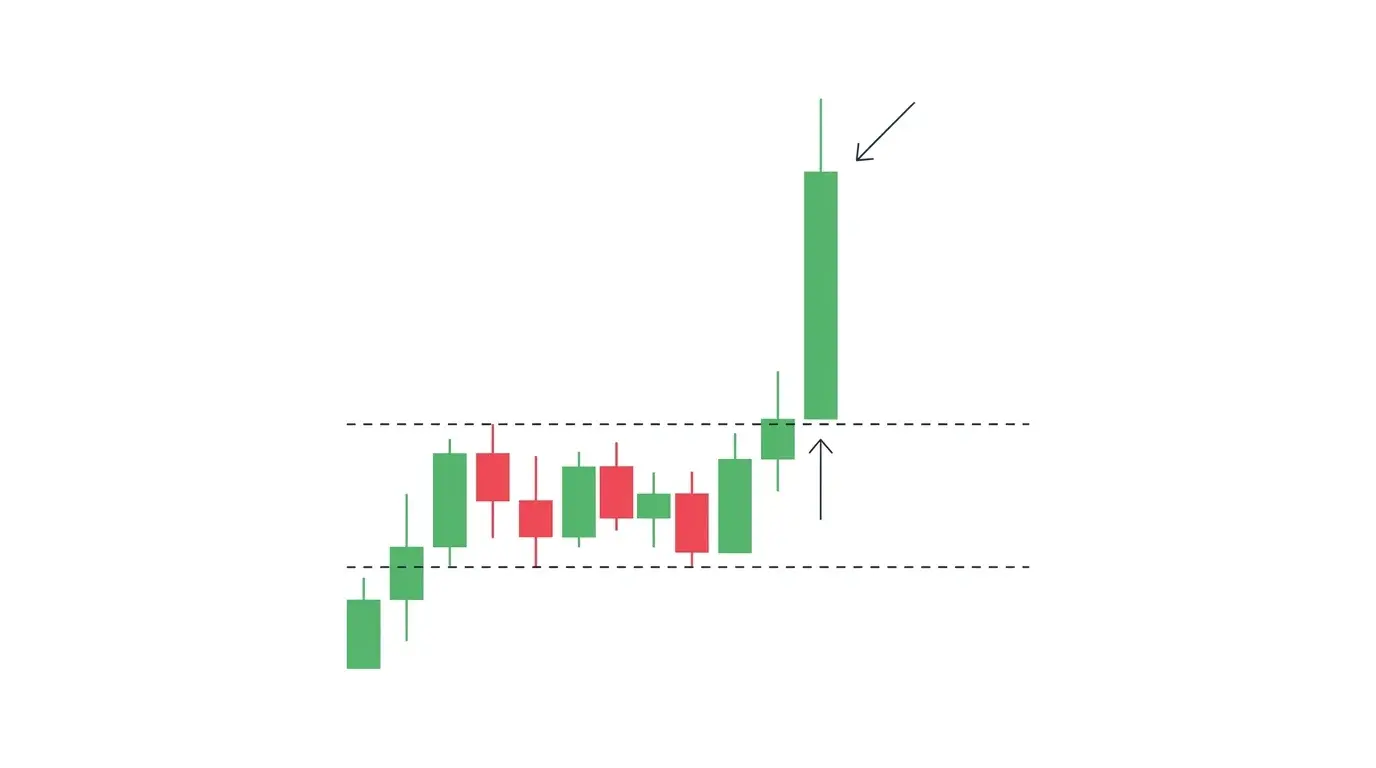
The setup. Mark the Asia-session high and low before 07:45 GMT. At 08:00 GMT London opens. Enter on the first M5 close outside the Asia range that holds through the next candle — no immediate re-entry back inside. Stop goes on the far side of the range; target is 1R to 1.5R, typically the previous day's high or low.
When it applies. Every London open where Asia produced a clean, compressed range. Skip it when Asia has already made a full-session directional move (because the breakout has already happened) or when the calendar has UK data at 09:30 GMT — that flow often reverses the London open direction.
The common mistake. Chasing the breakout candle itself rather than waiting for the hold. Half of Asia-range breakouts are stop-runs: price pierces the range by a few pips, triggers retail stops, and immediately reverses. The rule is simple — the break is the trigger, the second candle is the confirmation. No second candle, no trade.
3. Failed Breakdown Scalp — Exploiting Trapped Shorts
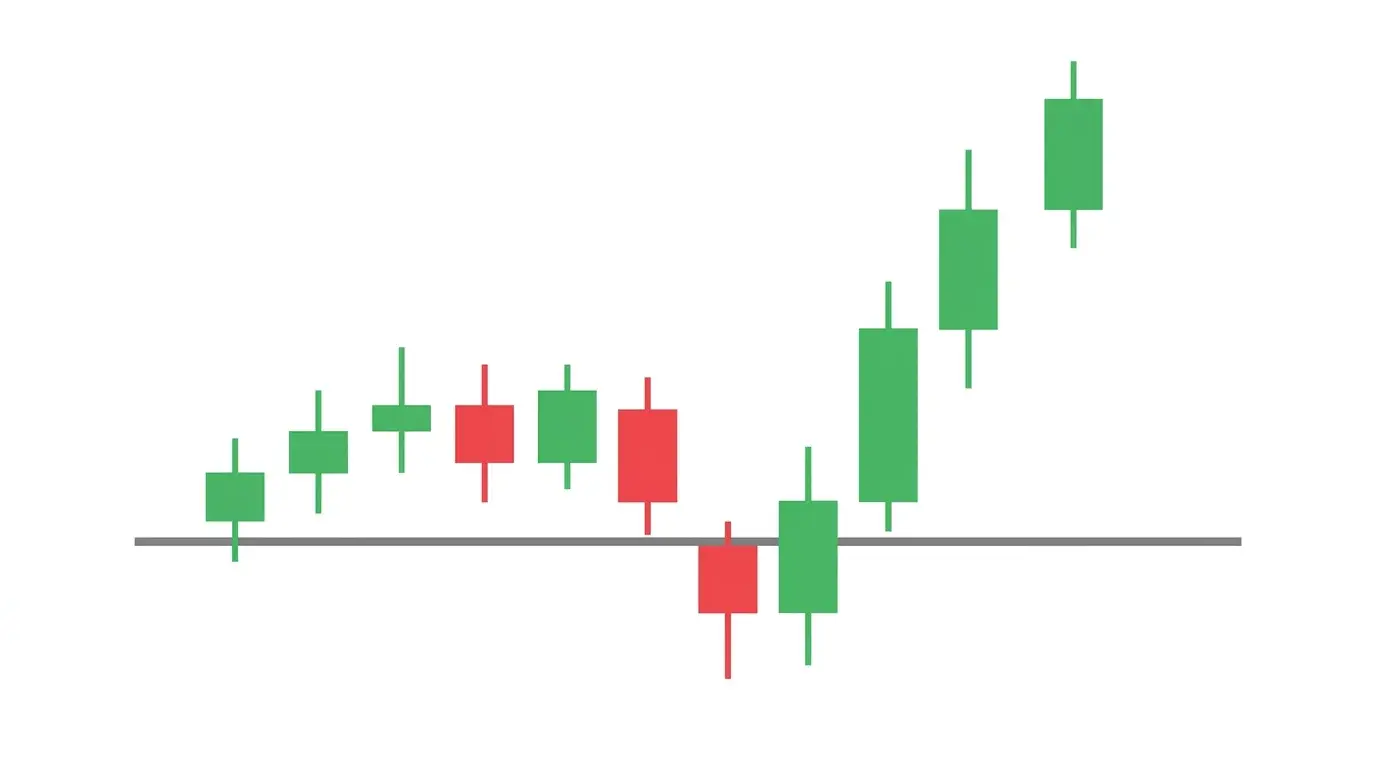
The setup. Price breaks below a clear M15 support level on M5 but fails to close beneath it for more than one or two candles. The next M5 candle reclaims the level with a strong-body bullish close. Enter long on the reclaim; stop goes below the failed-breakdown wick; target is the previous M15 swing high or 1.5R, whichever is closer. The mirror applies for failed breakouts to the upside.
When it applies. Best during the overlap between London and NY (13:00-17:00 GMT) when order flow is thick enough to punish trapped shorts quickly. In Asia session the same pattern fires slowly and stops often get tagged before the reversal completes. Avoid it entirely around scheduled news — the "failed" breakdown is often the first leg of a genuine news-driven break.
The common mistake. Entering on the wick rather than the reclaim close. If you buy the wick, you are catching a knife — there is no confirmation that the breakdown has actually failed yet. The trade is the candle that closes back above the level with conviction. Patience on entry is the difference between a 65% hit rate and a 40% hit rate on this setup.
4. M5 Pin Bar Rejection at Key Level
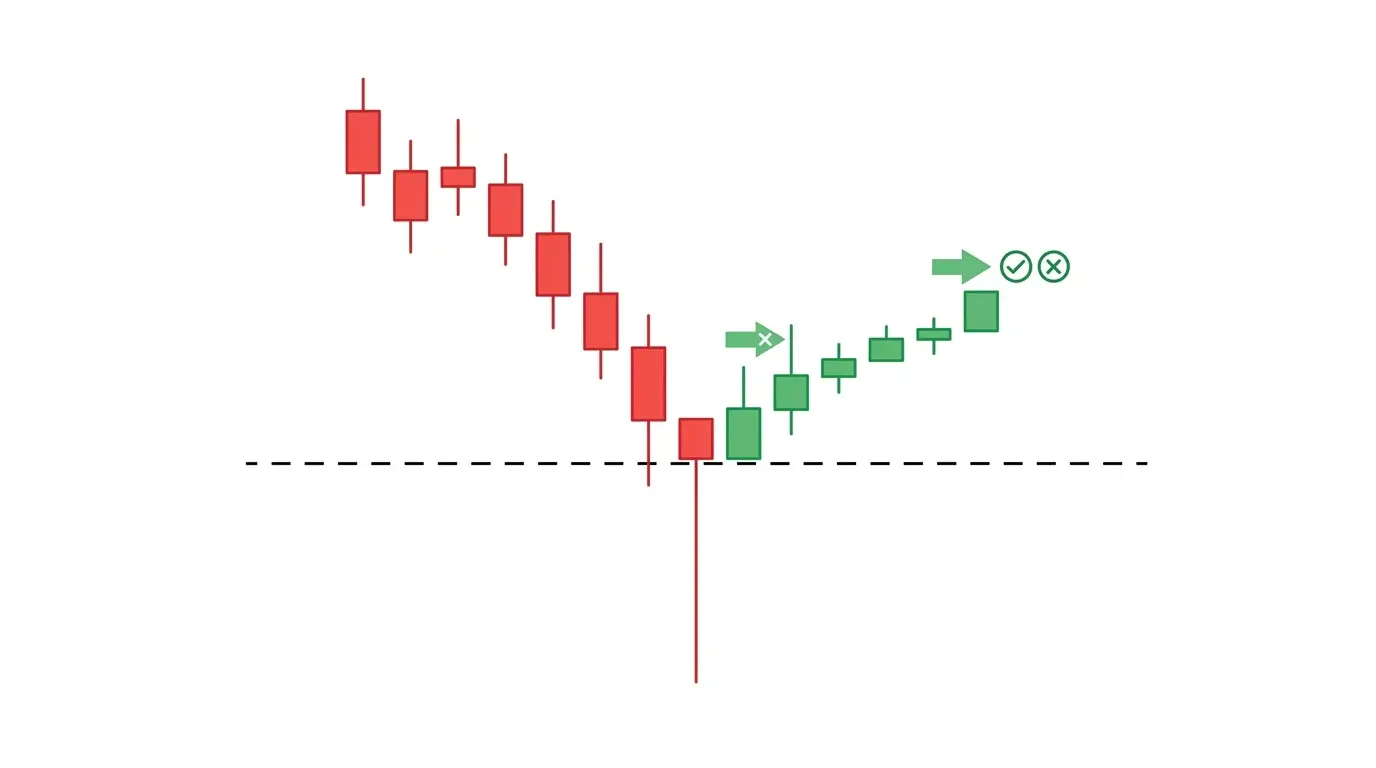
The setup. A pre-marked M15 or H1 level (previous day high/low, session open, round number) is tagged on M5 with a pin bar — a candle whose wick is at least twice the body, rejecting the level. Enter on the open of the following candle. Stop goes beyond the pin wick by a few pips; target is 1R.
When it applies. Any session as long as the level has been pre-marked before the pin fires. The setup requires genuine structure to bounce from — a pin in mid-air with no level nearby is noise, not signal. Highest-quality firing times are the first hour of London, the 13:30 GMT NY data release window, and round-number tests on JPY crosses.
The common mistake. Trading pin bars that form at levels you drew retroactively after the fact — the human eye always finds a "level" that matches the wick. The discipline here is mark the levels first, then wait for price to come to them. If your level is not visible on the chart before the pin prints, the setup does not exist.
5. M15 EMA Pullback Scalp
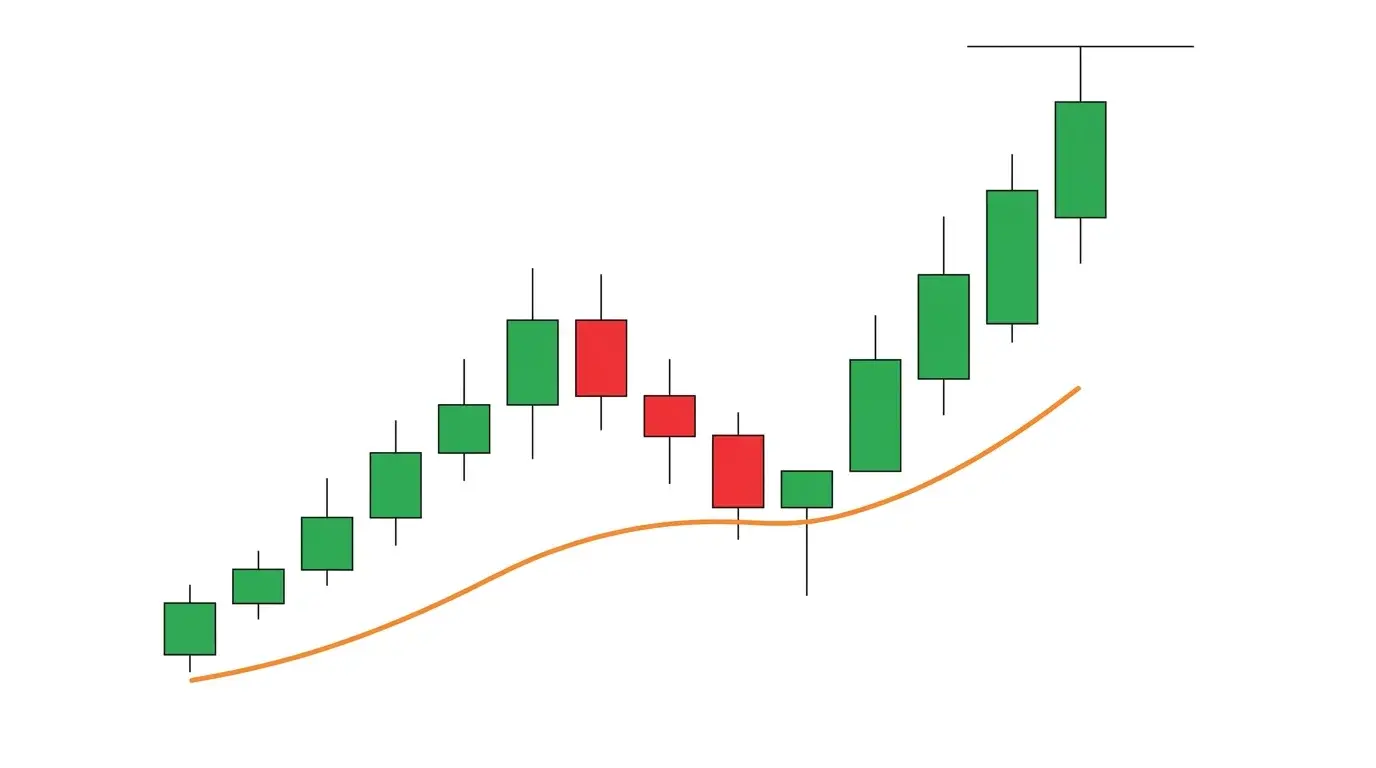
The setup. On an M15 chart in a clean trend (price above a rising 20 EMA with at least two higher highs and higher lows), wait for a pullback that touches or slightly undercuts the 20 EMA. Enter on the first bullish M15 close off the EMA. Stop goes below the pullback low; target is the recent swing high or 1.2R.
When it applies. Trend sessions only — roughly London mornings on a news-light day or post-release NY afternoons. It does not work in chop. You can pre-screen by looking at the EMA slope: if it is flattening or the last three candles are straddling it, the trend is dead and this setup fires constantly as a losing trade.
The common mistake. Taking every EMA touch as an entry. The setup demands a trend first — structure of higher highs and higher lows, slope in the EMA, and preferably a distance-from-EMA that is expanding on the previous leg. Touch without trend is a coin flip with a magic line drawn on it. Touch with trend is a 60%+ scalp.
6. NY Open Continuation Scalp
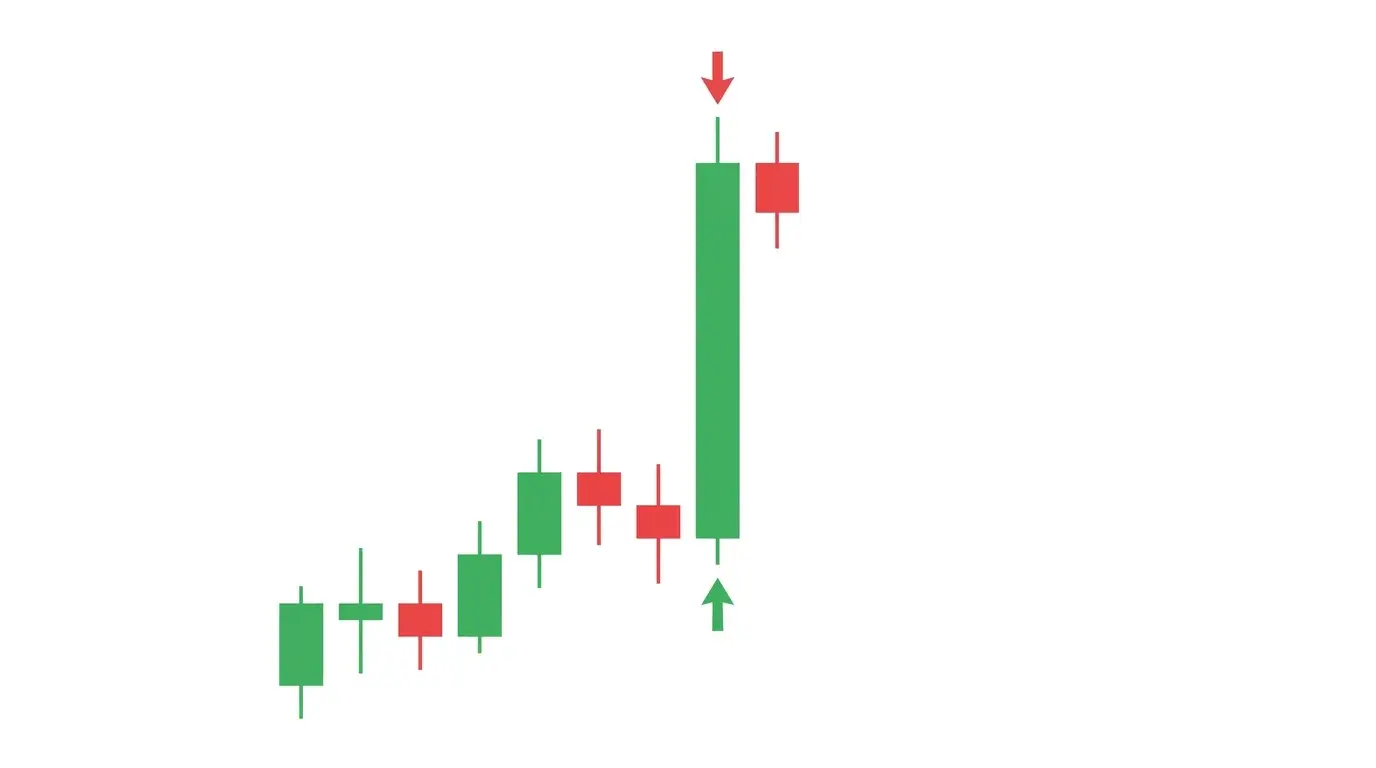
The setup. London has produced a clean directional session (not a chop day). At the NY open (12:00 GMT for equities-correlated flow, 13:30 GMT for data-driven flow), wait for the first M5 pullback against the London direction. Enter on the first M5 bullish (or bearish) reclaim candle in the direction of London's move. Stop goes below the pullback; target is the London session high or 1R.
When it applies. When London has actually trended. If London ranged all morning, NY open continuation fails because there is nothing to continue. Check the M15 London-session candle: if it has a clear body and closes near the extreme, the continuation setup is live; if it is a doji with big upper and lower wicks, skip.
The common mistake. Trading the continuation directly into scheduled US data without checking the AI News Impact dashboard first. A London trend pointing one way and a US data surprise pointing the other is the fastest way to get stopped out on the 13:30 GMT spike. Know what is on the calendar before you click.
7. M5 Range Fade — When Trend Dies
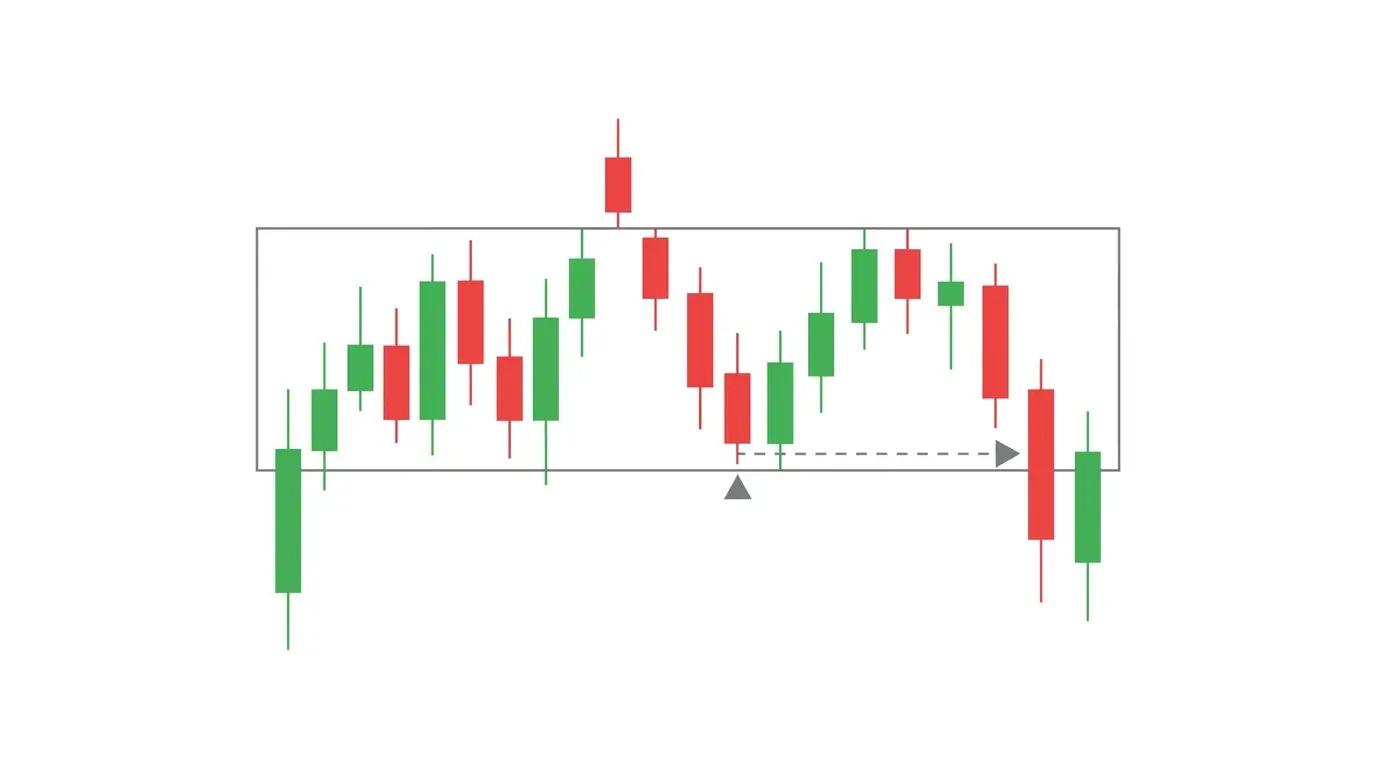
The setup. Intraday has produced at least two clear touches of a horizontal top and two clear touches of a horizontal bottom — a defined M5 range. Fade the edges: short on the third touch of the top with a rejection candle, long on the third touch of the bottom. Stop is 3 to 5 pips outside the range; target is the opposite edge or mid-range (0.6 to 0.8R).
When it applies. Pre-news consolidation, Asia session on a quiet Monday, and mid-day European lunch hours (11:30-13:00 GMT). Ranges typically break on the next catalyst — news release, session open, or major level handoff — so the trade has a finite window. Stop trading the range the moment price closes outside it with conviction.
The common mistake. Fading the first or second touch rather than waiting for the third. Early touches confirm the range exists but do not confirm it is holding. By the third touch, the range is real and each subsequent fade is higher probability. Early-touch fades are how traders get run over when a breakout fires without confirmation.
8. News-Spike Reversal Scalp (Fade the Spike)
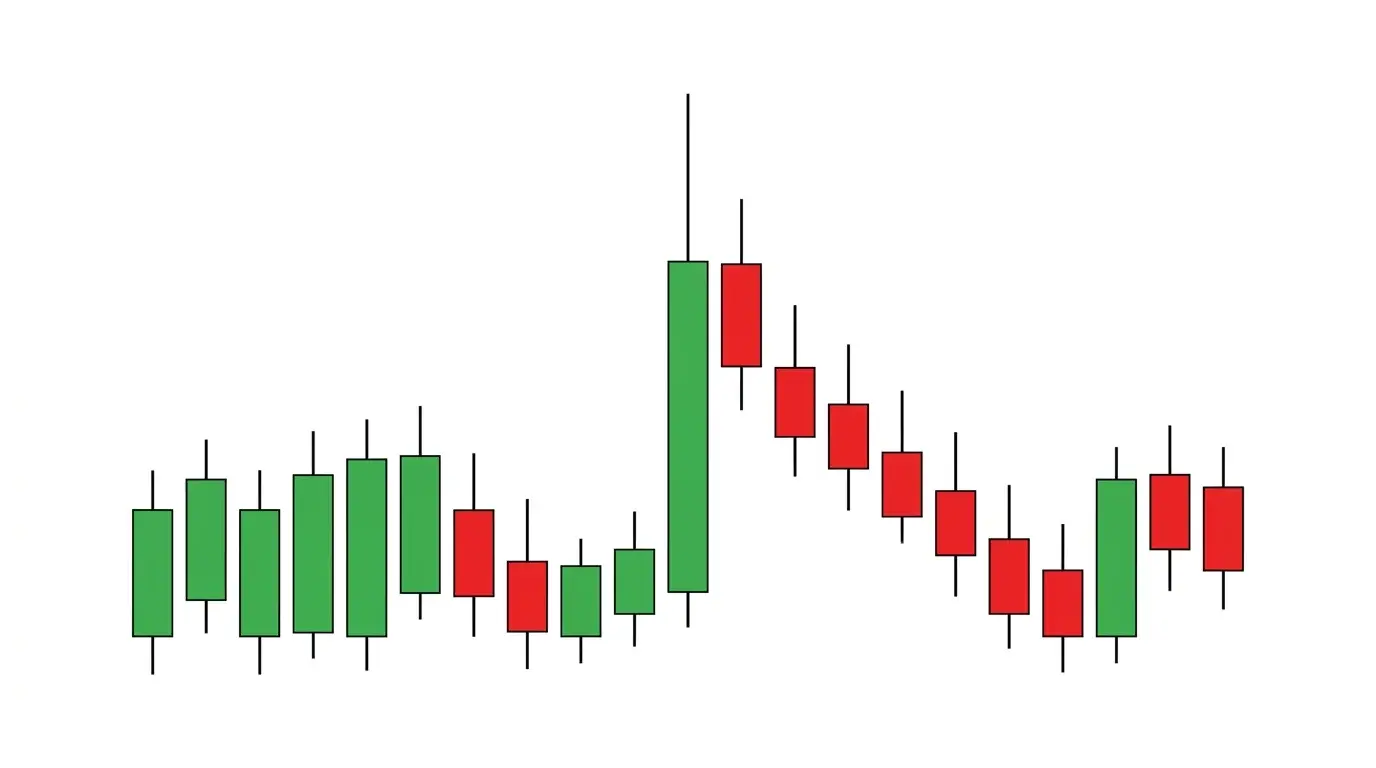
The setup. A scheduled release (NFP, CPI, retail sales, central bank statement) produces a sharp M5 spike. Wait. If the second M5 candle reverses and closes back inside more than 50% of the spike candle's body, enter in the reversal direction on the close. Stop is just beyond the spike extreme; target is the pre-release level or 1R.
When it applies. News releases where the headline number is close to consensus but the first-move algos overshoot. It does not apply to genuine surprises — a CPI that is +0.4 when consensus was +0.1 is a real shock and the spike is the actual move, not something to fade. The fade setup is for the news that was priced in, where algos reacted to the headline and humans unwound the overshoot within 5 to 10 minutes.
The common mistake. Fading every news spike indiscriminately. The fade has a roughly 55% hit rate across all releases, but on major surprises (FOMC, NFP with a large miss/beat) it drops to under 40%. Filter with the consensus-vs-actual gap. If actual is within one standard deviation of consensus, the fade is live. Bigger miss, step aside.
9. M5 Liquidity Sweep Scalp — Stop-Hunt Reversal
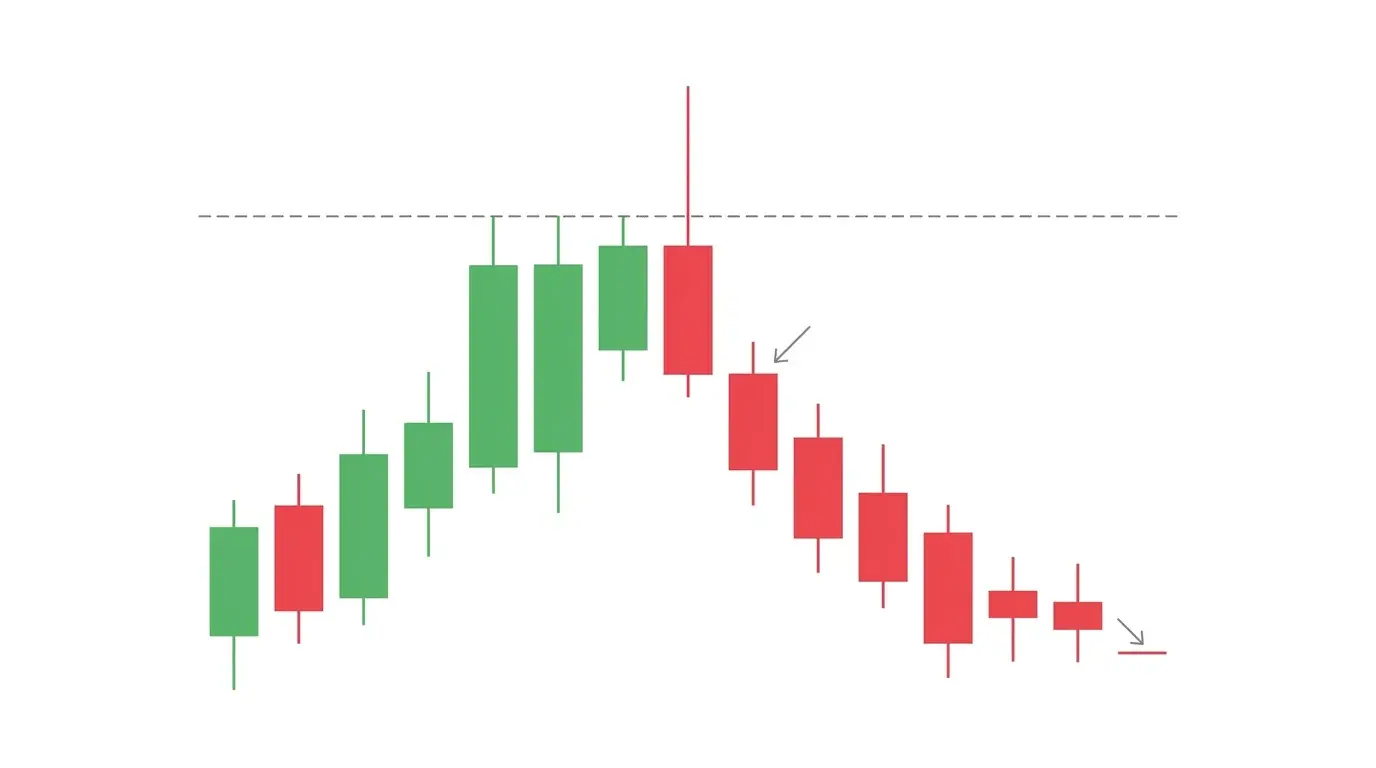
The setup. Price sharply spikes beyond a clear prior M15 swing low (or swing high) on an M5 candle with an unusually long wick, taking out resting stops. The same candle or the immediate next candle closes strongly back above (or below) the swept level. Enter on the close of the reversal candle; stop goes beyond the sweep wick; target is the next M15 structure point or 1.3R.
When it applies. High-liquidity sessions where there are real stops resting beyond obvious levels — London open, NY open, post-news windows, daily high/low tests. The setup depends on there being meaningful liquidity to sweep; on Asia-session doji candles there is nothing to hunt and the "sweep" is just normal noise.
The common mistake. Entering before the reclaim. A sweep-and-go is just as common as a sweep-and-reverse, especially during strong trend days. The signal is not the sweep itself — it is the fast, decisive reclaim candle that follows. If the close of the sweep candle is still beyond the level, that is continuation, not reversal. Wait for the body close back inside.
10. M15 Confluence Cluster Scalp
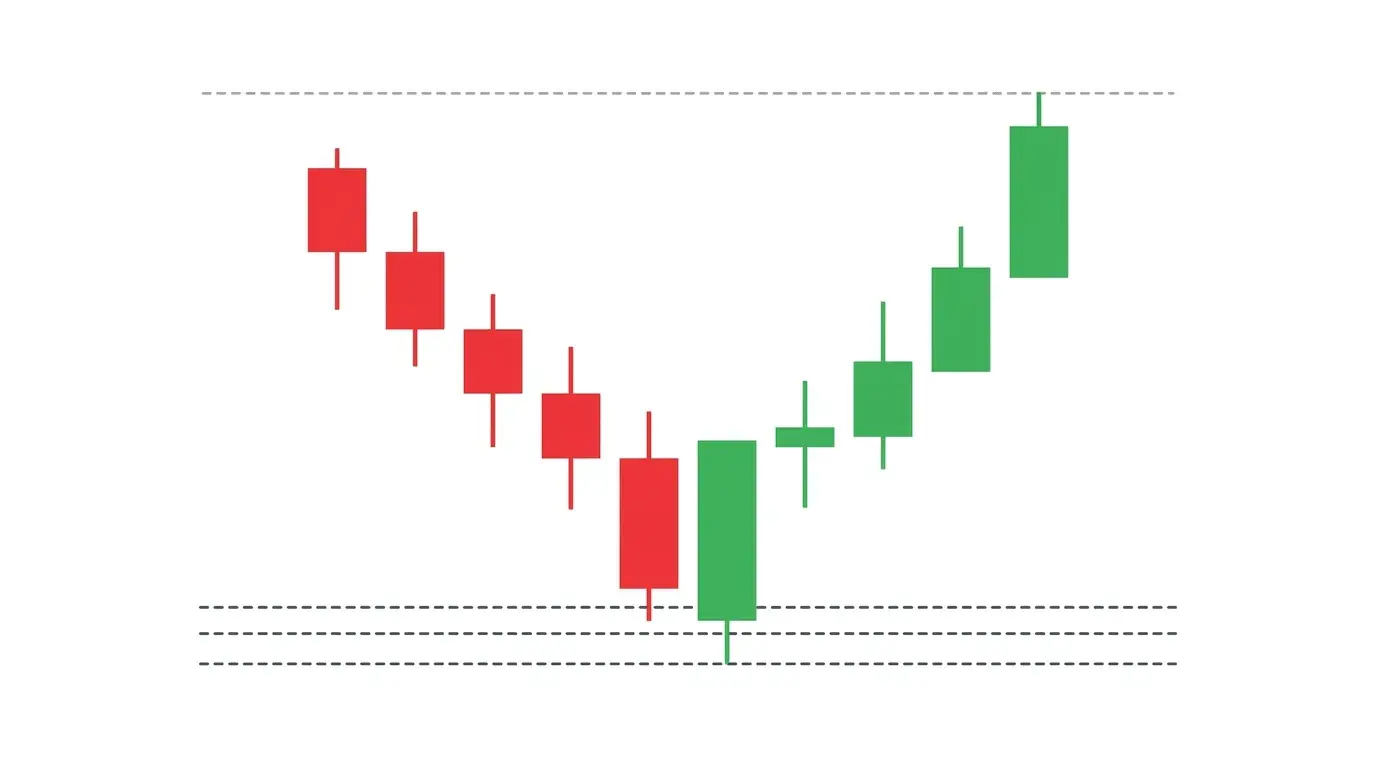
The setup. Pre-mark three or more independent M15 levels — prior day high/low, session open, 20 EMA, VWAP, Fibonacci 0.618 retracement, round number. When all three levels collide within a narrow price band and price tags the cluster with an M15 rejection candle, enter in the direction of rejection. Stop is beyond the cluster; target is the next structure point or 1.5R.
When it applies. London and NY sessions, typically after the first hour of trade when intraday levels have had time to form. Confluence scalps have the highest single-trade hit rate of any setup on this list (often 70%+) because they filter for multiple independent pieces of evidence. The trade-off is frequency — you will only get two or three of these per week on any given pair.
The common mistake. Counting derivative levels as independent. The 20 EMA and the 21 EMA are not two confluences — they are the same level twice. The VWAP and the session midpoint are often the same line on a clean session. Real confluence requires levels drawn from genuinely different methods (structure, moving average, volume, Fibonacci). Three real confluences beats five repackaged versions of the same line.
The Bottom Line
Scalping forex is not glamorous and it is not easy. The edge is thin, the costs are real, and the emotional load will grind down anyone who has not pre-committed to the rules. But for traders willing to focus on session-specific setups, scale stops to ATR rather than personal comfort, and stay away from M1 screen-hypnosis, the edge is real. The ten setups above cover every tradable window of a normal week — London open, NY open, ranges, news, and confluence.
Pick two or three, not all ten. A scalper who masters the London-open breakout and the M15 EMA pullback will out-earn a scalper who dabbles in all ten without ever fully trusting any single one. Scalping rewards specialisation. Find the two setups that match your personality and session availability, and work them until the pattern recognition is automatic.
Know which pairs have the cleanest scalp setup today
Live FX prices, currency strength indices, and AI-ranked top pairs across 32 instruments — updated before every London and NY open.
Open News Impact DashboardRelated Articles
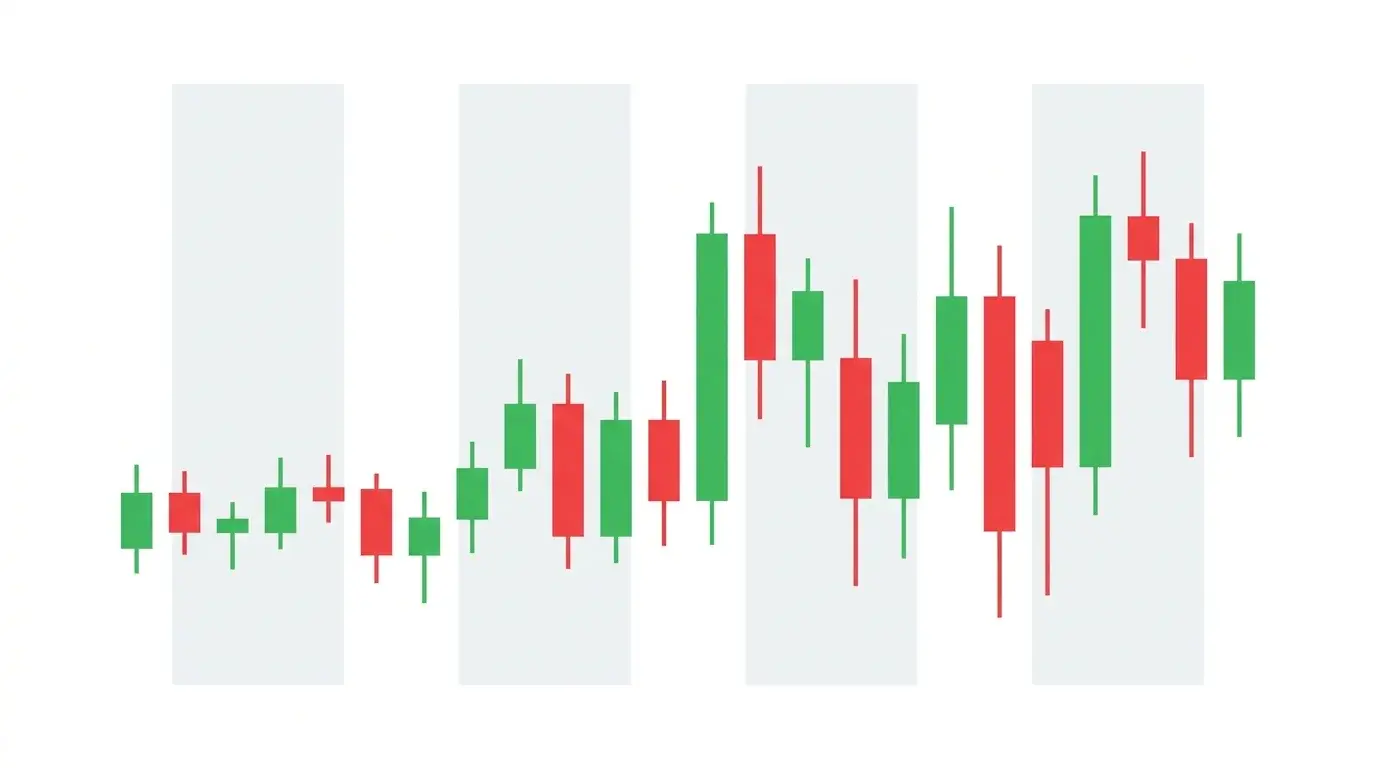
Forex Session Times & Best Time to Trade
London, New York, Tokyo, Sydney — which session produces the cleanest setups and when you should be flat.
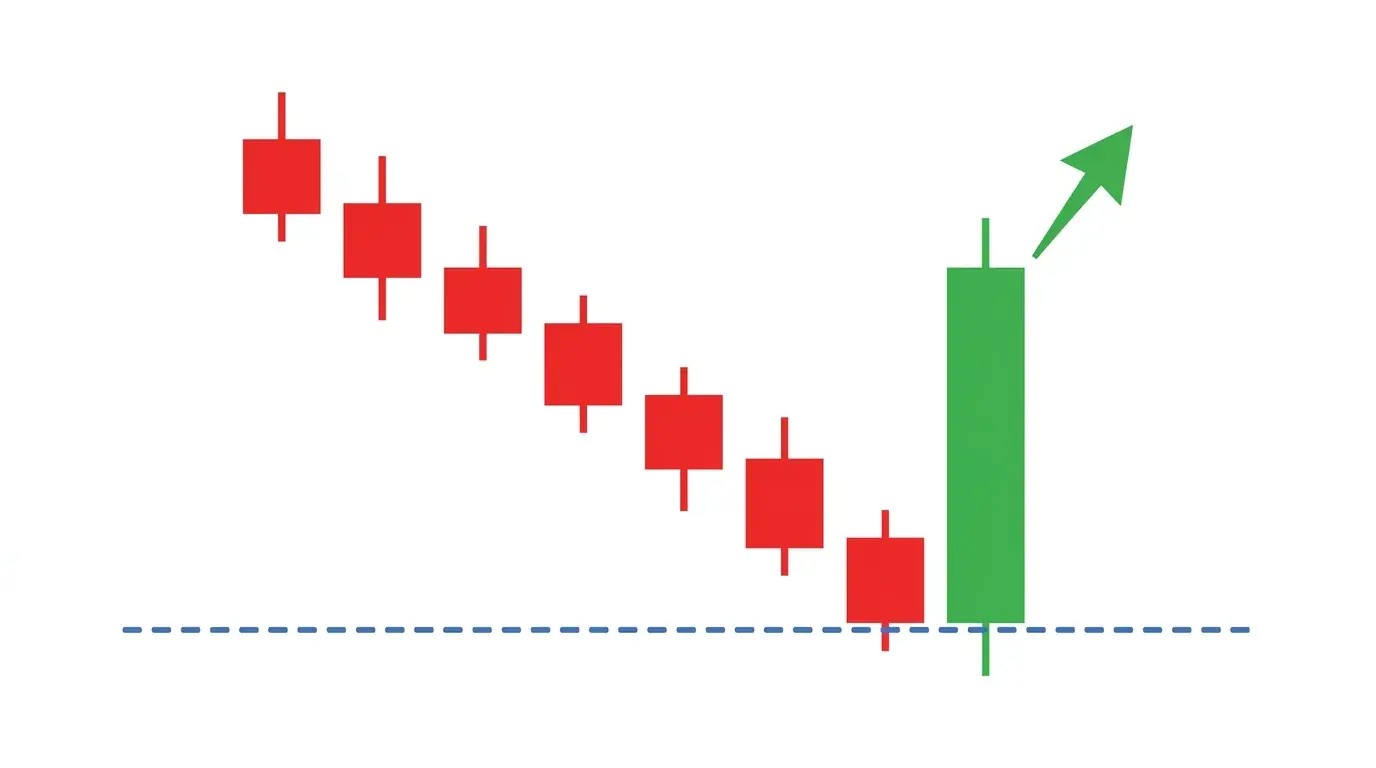
Forex Entry Strategy: Setups Guide
The exact entry triggers that separate a valid setup from noise — break-and-retest, engulfing confirmation, and more.
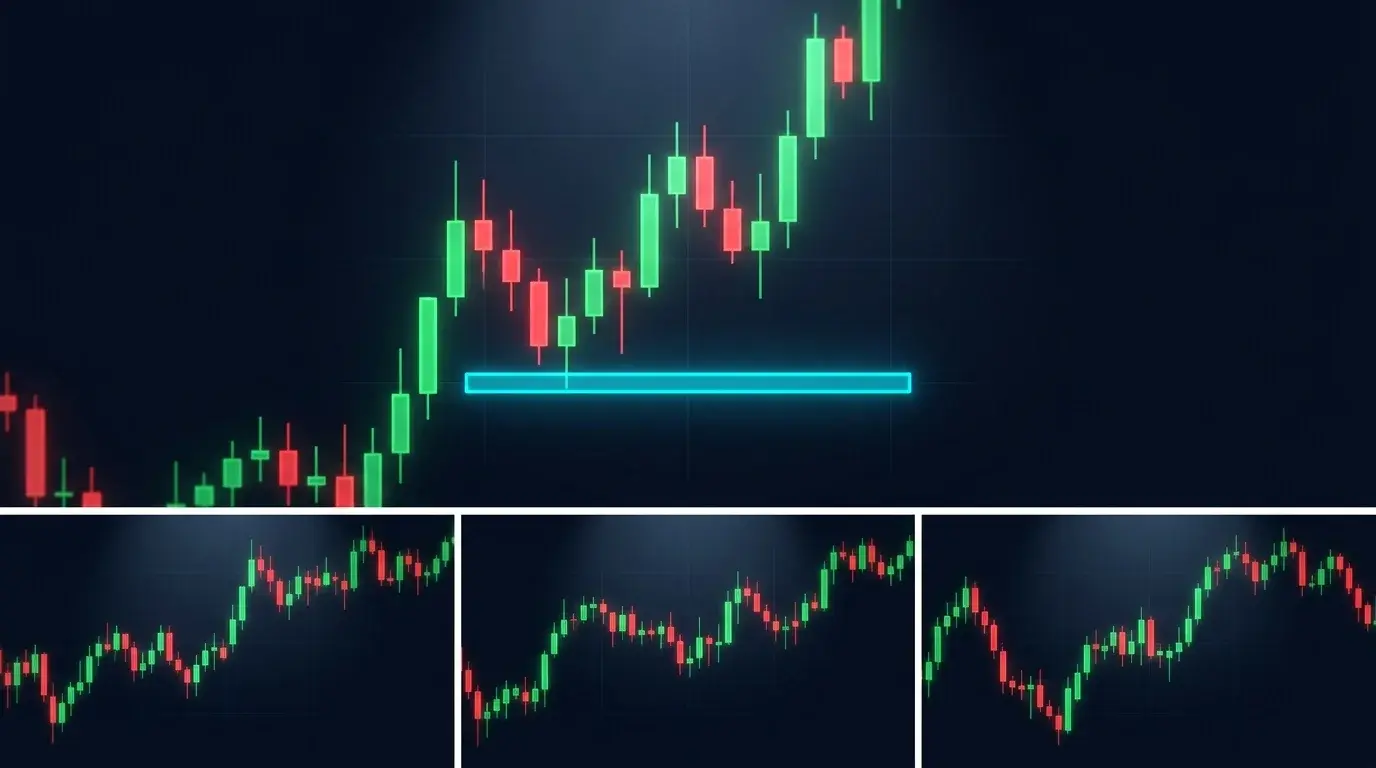
10 Stop Loss Placement Methods
ATR, structural swing, percent risk, order blocks, and more — the ten stop methods every scalper should master.

Written by the ChartSnipe Team
ChartSnipe is an AI-powered chart screenshot analysis tool and daily news impact platform for forex, gold, Bitcoin, S&P 500, and Nasdaq traders. Our team combines deep experience in technical analysis, AI vision models, and live market data across 32+ instruments to deliver actionable trading insights.