
Best Forex Timeframe: Which One Should You Trade in 2026?
A clear tour of every forex timeframe — M1 through W1, plus Heikin Ashi and Renko — with what each is good for, the noise-to-signal ratio, and how to match the chart to your lifestyle.
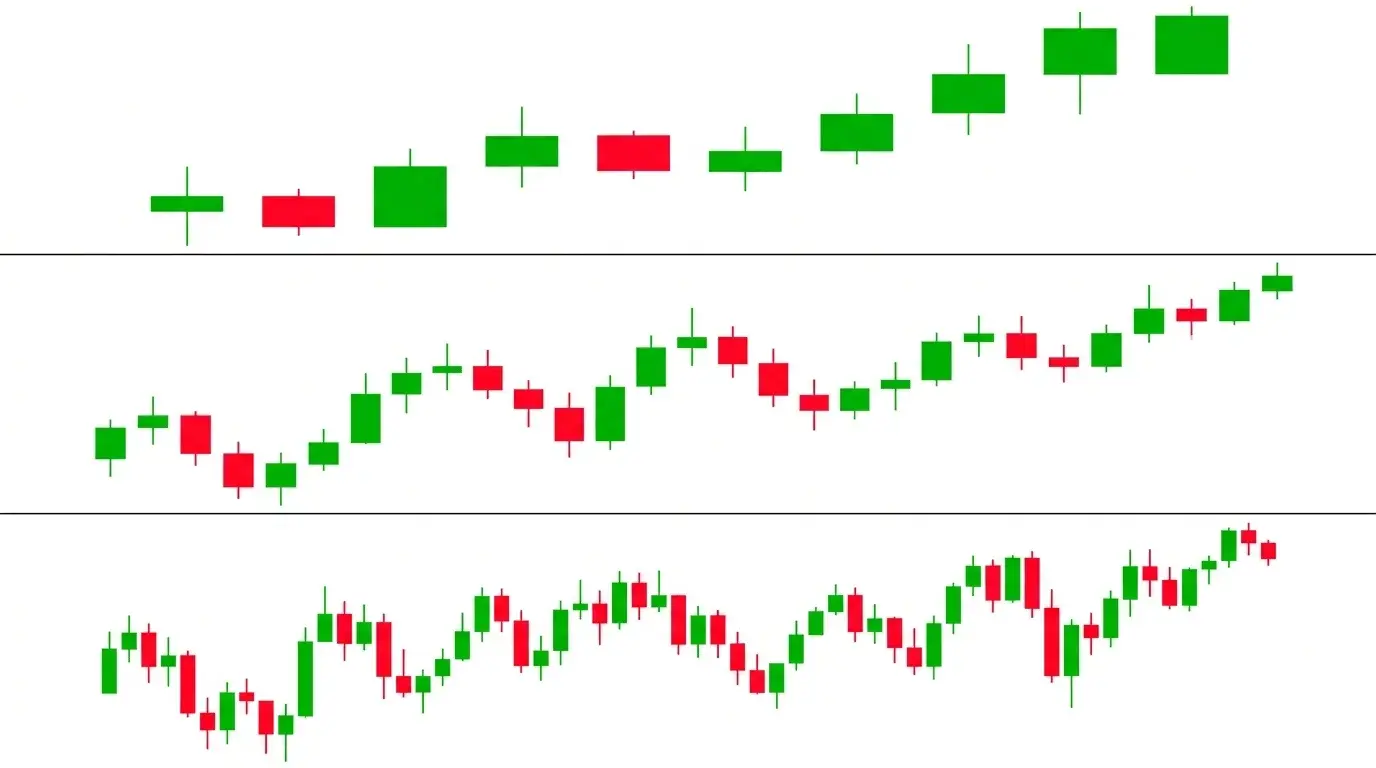
Ask ten forex traders what the "best" timeframe is and you will get ten different answers, all delivered with total certainty. The day trader swears by the 5-minute. The swing trader laughs at anything under H4. The scalper is already on M1 looking for the next tick. Meanwhile beginners cycle through all of them in a single week, convinced the "right" chart is the one that will finally make their system work.
The truth is that there is no single best forex timeframe. There is only the best timeframe for you — and that depends on how many hours you can sit at a screen, how much capital you have, how tolerant you are of drawdown, and what kind of cognitive load you can sustain. This guide walks through every timeframe serious forex traders actually use, what each one is built for, and how to stop flipping between them like a broken radio. The popular myth — that dropping to a lower timeframe means more trades and therefore more profit — is one of the fastest ways to burn an account. Lower timeframes mean more noise, more commission drag, and more emotional decisions per hour. Frequency is not edge.
Key Takeaways
- →There is no universal "best" forex timeframe — the right one is dictated by your schedule, capital, and personality, not by the market.
- →Lower timeframes mean more noise and more spread cost, not more edge. M1 and M5 are the hardest charts on earth to make money on consistently.
- →H1 and H4 are where most profitable retail traders actually live — enough signal, manageable screen time, forgiving stop sizes.
- →Daily and weekly charts are underrated. They let people with jobs trade forex without being glued to a monitor.
- →Heikin Ashi and Renko are not timeframes — they are chart types that filter noise. Useful overlays, not replacements.
1. M1 — The 1-Minute Chart (Ultra-Scalping)
The 1-minute chart is the rawest view of the forex market — every tick, every spread pulse, every liquidity flicker rendered in real time. On paper it looks like pure opportunity: 1,440 candles per day, 60 potential trades an hour, endless setups. In practice it is the single hardest timeframe on earth to trade profitably, and the graveyard where most new scalpers quietly drain their accounts.
M1 demands perfect execution, a broker with sub-millisecond fills, and a spread that does not eat half your average winner. The noise-to-signal ratio is brutal — for every genuine order-flow imbalance there are twenty spread-driven wicks that look identical on the candle body. Stops sit 2–5 pips away, so a single headline tick will take you out before you blink. Mental fatigue is severe; serious M1 scalpers cap their session at ninety minutes because decision quality collapses past that.
Commercial HFT and tier-one market makers live on this timeframe and they are not trading candlesticks — they are reading order books. A retail trader on M1 is effectively bringing a slingshot to a tank battle. If you must scalp, M1 is for confirmation of an M5 or M15 setup, not the primary decision layer.
Best for: professional scalpers with institutional-grade execution, or as a confirmation/execution layer underneath an M5 signal — never as the main decision chart for a retail trader.
2. M5 — The 5-Minute Chart (Active Scalping & News)
M5 is the first timeframe where candles actually breathe. Each bar aggregates five minutes of flow, so structural levels, supply-and-demand zones, and session highs and lows start to become readable. This is where most serious intraday scalpers operate — especially around the London and New York opens when range expansion is most reliable. It is also the default chart for news traders running reaction trades on NFP, CPI, and central bank releases, because the first meaningful post-release candle prints inside the M5 window.
Typical M5 setups are session-open breakouts, liquidity sweeps at the Asian range, and failed-auction reversals at round numbers. Stops usually sit 8–15 pips away, which is small enough to give a 2R trade reasonable reward but large enough to survive spread pulses. Volume — or tick-volume proxies in forex — actually means something at this speed. The weakness is screen time: M5 scalping requires near-constant attention during session, which is incompatible with a day job.
M5 is also where retail gets hooked on overtrading. Every small pullback looks like a setup, and it takes discipline to wait only for A-grade conditions. Traders who make money on M5 typically place three to six trades per session, not thirty.
Best for: session-open scalpers, news-reaction traders, and anyone who can sit in front of a screen for two to three focused hours during London or New York.
3. M15 — The 15-Minute Chart (The Scalper Sweet Spot)
Ask profitable retail scalpers privately which timeframe they actually make their money on, and M15 comes up more than anything else. It hits the sweet spot: slow enough that spread and microstructure noise stop dominating, fast enough that a full setup resolves within the same session you entered it. A 15-minute candle represents enough aggregated order flow to show real intent — an engulfing bar on M15 means something in a way an engulfing bar on M1 rarely does.
Stops typically sit 15–30 pips away, targets 30–90 pips, and a trader can comfortably manage two or three simultaneous positions across the majors without decision fatigue. Session transitions — Asia into London, London into New York — are particularly readable here. You also get a manageable number of candles per day (96), which keeps the chart scannable rather than overwhelming.
The drawback is that M15 still requires intraday attention. You cannot set an M15 trade and walk away for the day — the chart will produce follow-up opportunities or invalidate your setup within hours. But compared to the cognitive load of M1 or M5, M15 is a vacation. Most books that claim to teach "day trading forex" are implicitly teaching M15 whether they admit it or not.
Best for: serious intraday retail traders who want enough signal clarity to trade confidently without being glued to the screen for eight hours. The default "entry" timeframe in most multi-timeframe frameworks.
4. M30 — The 30-Minute Chart (Intraday Hybrid)
M30 is the forgotten middle child of forex timeframes. It sits between the scalping zone and the day-trading zone, and many traders never linger on it. That is a mistake. On M30, an entire London session fits into about sixteen candles — clean enough to read the session personality at a glance, detailed enough to time entries with reasonable precision.
The M30 is particularly good for traders with odd schedules. A shift worker, a full-time parent, or someone in a Eurasian time zone can check the chart every hour or two, evaluate whether the setup is still valid, and place or manage trades without constant screen time. Stops usually sit 25–50 pips away and targets 60–150 pips, meaning a single clean trade can justify the entire day. Fundamental catalysts — economic releases, central bank commentary, geopolitical headlines — register on M30 without the spike distortion you see on M5 or M15.
The weakness is signal frequency. A typical pair produces maybe one or two A-grade M30 setups per day, and sometimes zero. Impatient traders either drop down to M15 or start forcing trades. Discipline here is the whole game.
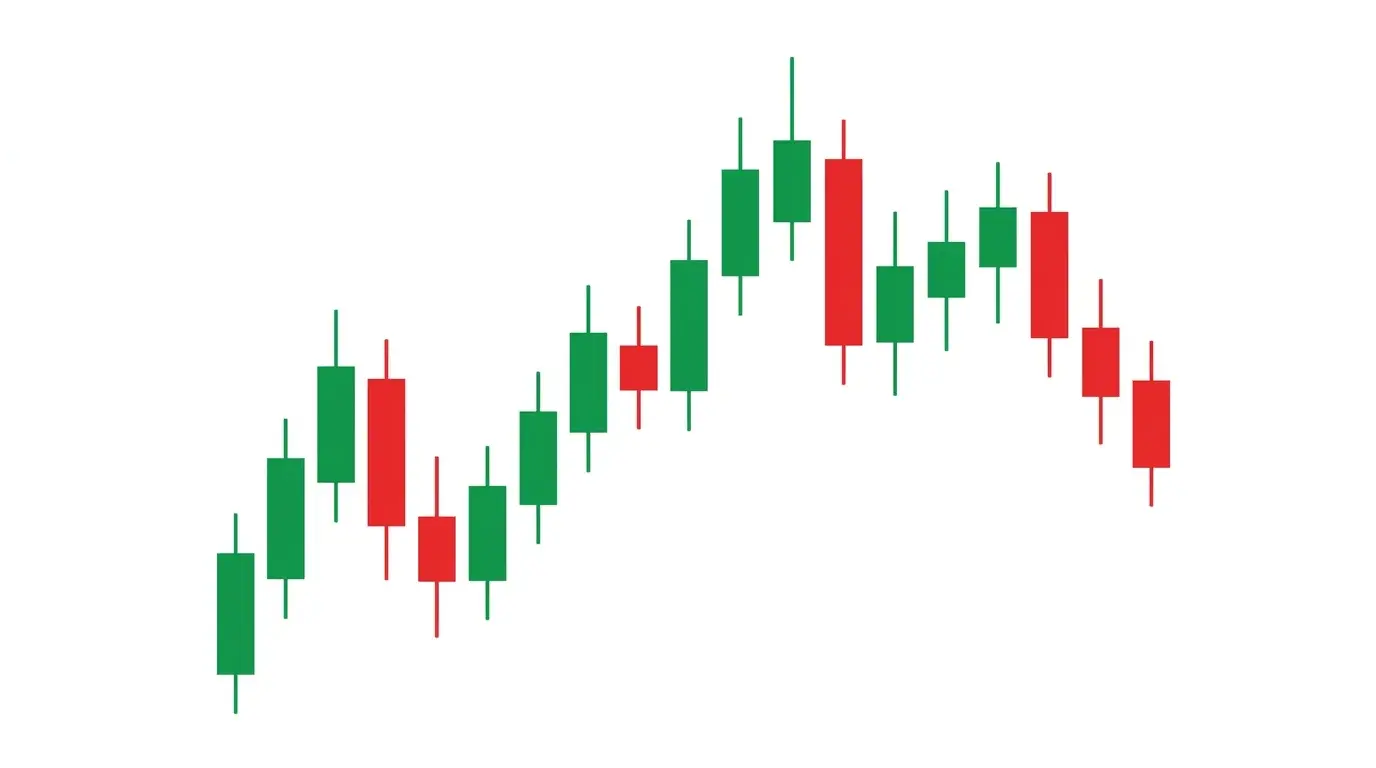
Best for: traders with interrupted schedules who want intraday trades but cannot watch a screen continuously. Also excellent for news-aware intraday setups where the initial reaction has already faded.
5. H1 — The 1-Hour Chart (The Day-Trader Default)
If there is one timeframe that more independent traders build full systems around than any other, it is H1. Every major retail trading textbook, every propagated mentorship system, every mid-tier prop firm's qualifying strategy tends to converge on the 1-hour chart. The reason is simple: 24 candles a day is the human cognitive sweet spot. You can review the entire day of price action in thirty seconds, see the full session structure clearly, and still have enough bars to work with technically.
H1 setups — engulfing bars at prior swing points, pin bars off moving-average pullbacks, break-and-retest formations — are some of the highest win-rate patterns in forex. Stops typically run 40–80 pips, targets 100–300 pips, meaning commissions and spread become a rounding error rather than a hurdle. You can check the chart at the top of the hour, make a decision, and walk away for sixty minutes without consequence.
The tradeoff is frequency: H1 produces maybe five to ten tradable setups per pair per week, and patience is mandatory. Traders who cannot sit on their hands drift down to M15 and blow accounts. Those who can respect the chart quietly compound.
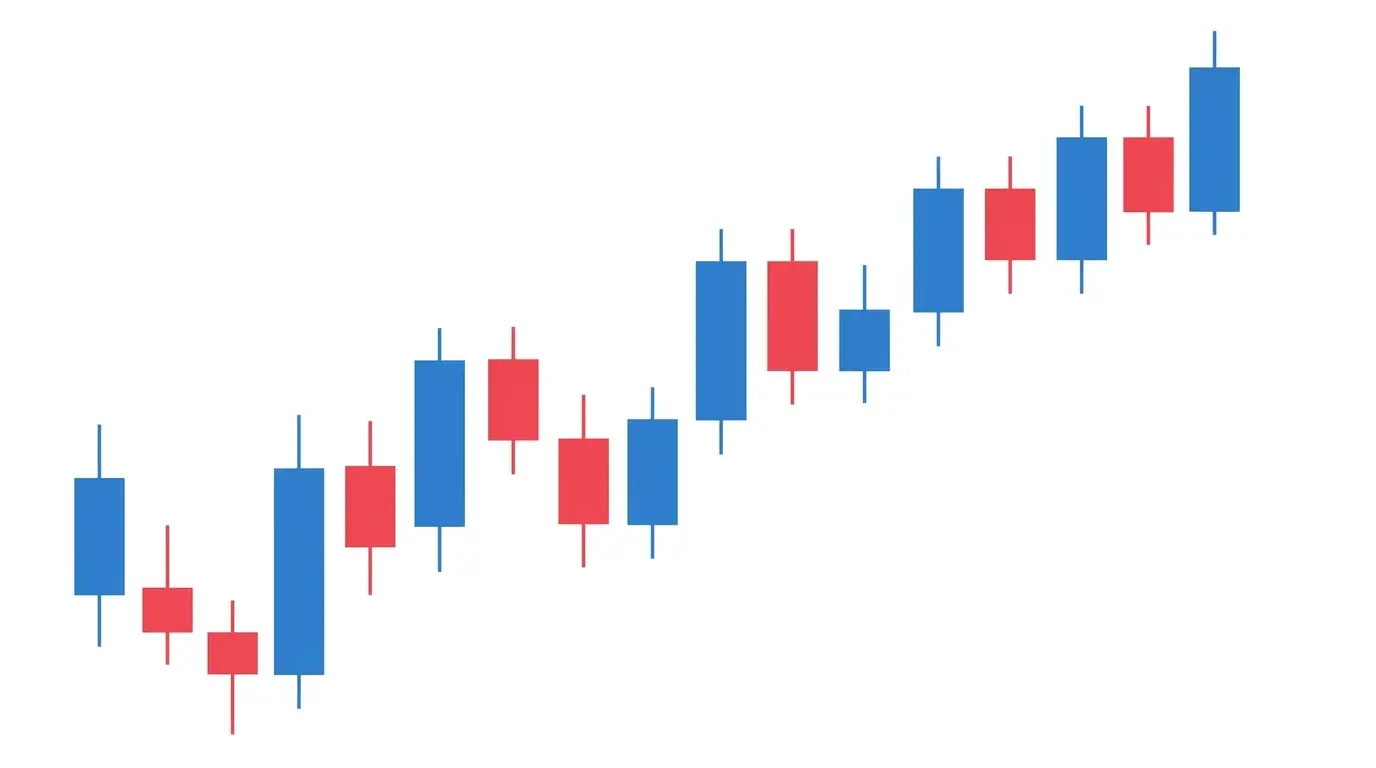
Best for: serious retail day traders, prop-firm candidates, and anyone who wants forex to be a disciplined side-career rather than a full-time screen grind.
6. H4 — The 4-Hour Chart (Swing Trading Anchor)
H4 is where forex stops feeling like a day job and starts feeling like a profession. Six candles a day, one per major session plus overlaps, mean every bar is meaningful. The H4 is the primary anchor timeframe for most serious swing traders — the chart on which the trend is defined, the bias is set, and the setup is approved, before dropping down to H1 or M15 to time the entry.
Stops here typically sit 60–150 pips wide, trades last two to seven days, and targets run 200–600 pips. Position sizing becomes a conservative exercise — a single contract can deliver a full week's return. The H4 is also where fundamentals stop being distractions and start being drivers: central bank cycles, rate-differential flows, and commodity-linked currency trends (AUD, NZD, CAD) become visible as sustained directional moves rather than intraday spikes.
The drawback is calendar risk. A position held for five days will absorb multiple news releases, any one of which can blow the stop. Swing traders on H4 build calendar awareness into their risk model or use wider stops to ride through events.
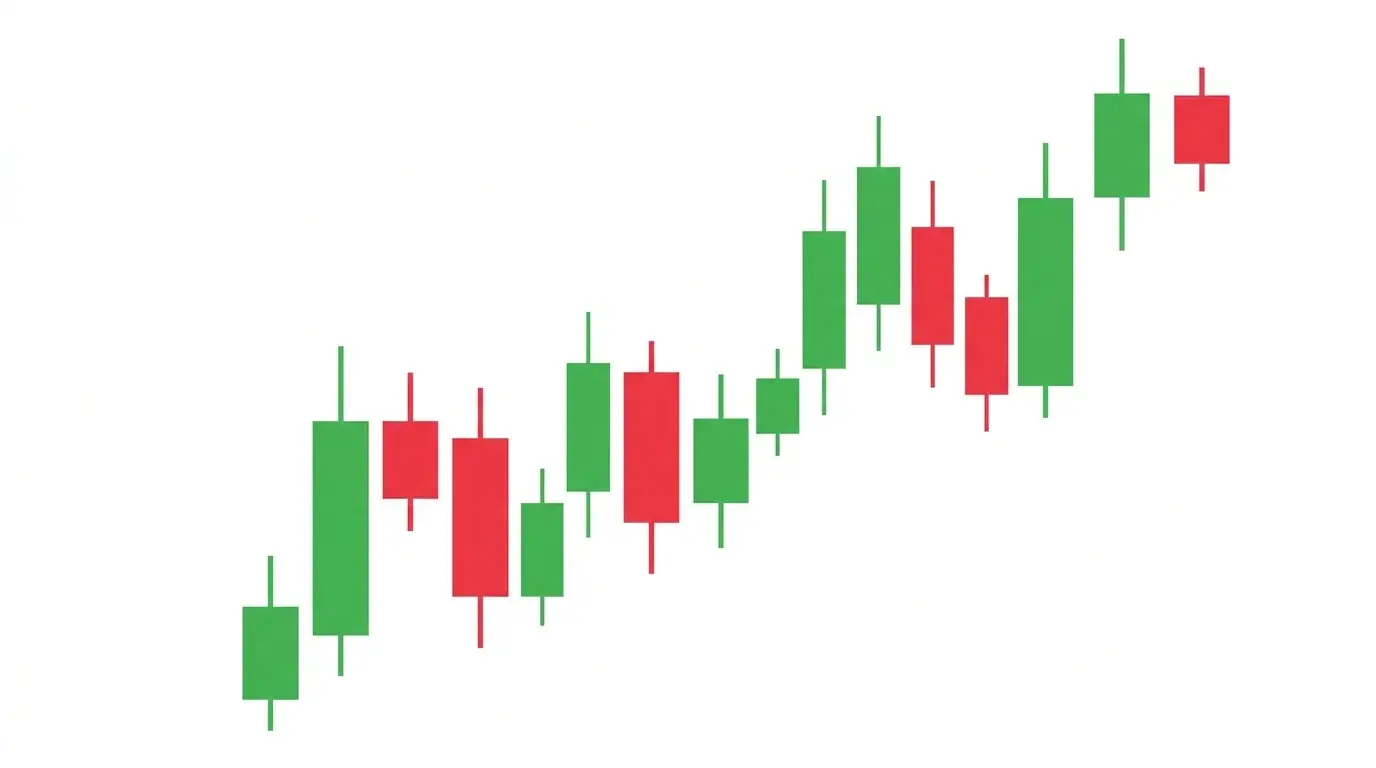
Best for: swing traders, part-time traders with full-time jobs, and anyone using a higher-timeframe-bias / lower-timeframe-entry framework. The single best chart to build a full system around if you cannot trade all day.
7. D1 — The Daily Chart (Position Trading & Bias)
The daily chart is the most underrated timeframe in forex. One candle represents the full 24-hour session. Noise collapses. Pin bars, engulfing candles, and structural breaks on D1 are high-conviction signals with historical edge — the kind of patterns that price-action purists have traded for decades. Every serious multi-timeframe analysis starts here, because the daily chart is where the macro trend is defined.
Position traders who operate exclusively on D1 hold trades for weeks, sometimes months. Stops sit 100–300 pips wide, targets 500–2000 pips, and a single clean trade can define an entire quarter. The time commitment is extraordinarily low: a five-minute daily review after New York close is enough to manage a full book. This makes D1 the natural home for professionals with day jobs, for people who find intraday trading cognitively exhausting, and for anyone who prefers to trade the forest rather than the trees.
The challenges are patience and position sizing. A D1 trade may take two weeks to pay off, and the equity curve moves in slow motion. Traders who confuse slow with boring quit. Those who trust the process compound quietly.
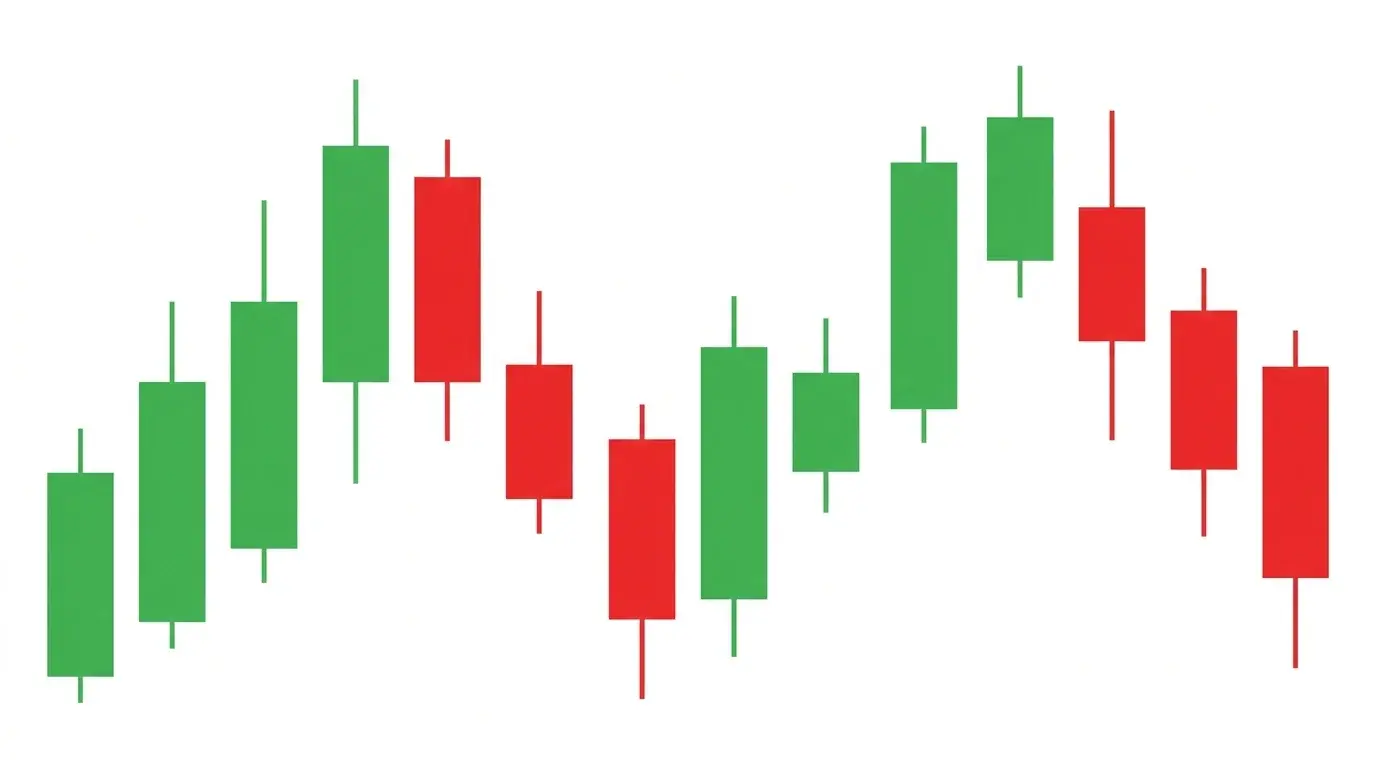
Best for: position traders, busy professionals, price-action purists, and anyone who wants forex returns without a screen addiction. Also the default chart for setting higher-timeframe bias.
8. W1 — The Weekly Chart (Macro Context)
The weekly chart is not really a trading timeframe for most retail participants — it is a context timeframe. One candle represents a full trading week (Sunday open to Friday close), and a year's worth of forex price action fits on a single screen. This is where macro regimes become obvious: the post-pandemic dollar cycle, the 2022–2024 Bank of Japan intervention bracket, the multi-year commodity-currency rallies — all are a glance away on W1.
Weekly support and resistance levels carry disproportionate weight. A level that has held for ten weekly candles is a level that intraday traders will continue to respect for months. Weekly engulfing bars at multi-year structural points are some of the highest-conviction signals in all of technical analysis. Institutional macro funds and rate-differential traders often build entire books off the weekly chart — rolling positions over months to capture multi-hundred-pip moves.
For most retail traders, W1 is not where you execute but where you orient. Opening the weekly chart once per Sunday before the session begins, marking the key levels, and noting whether each major pair is trending or ranging, is the single highest-leverage five minutes of a trader's week.
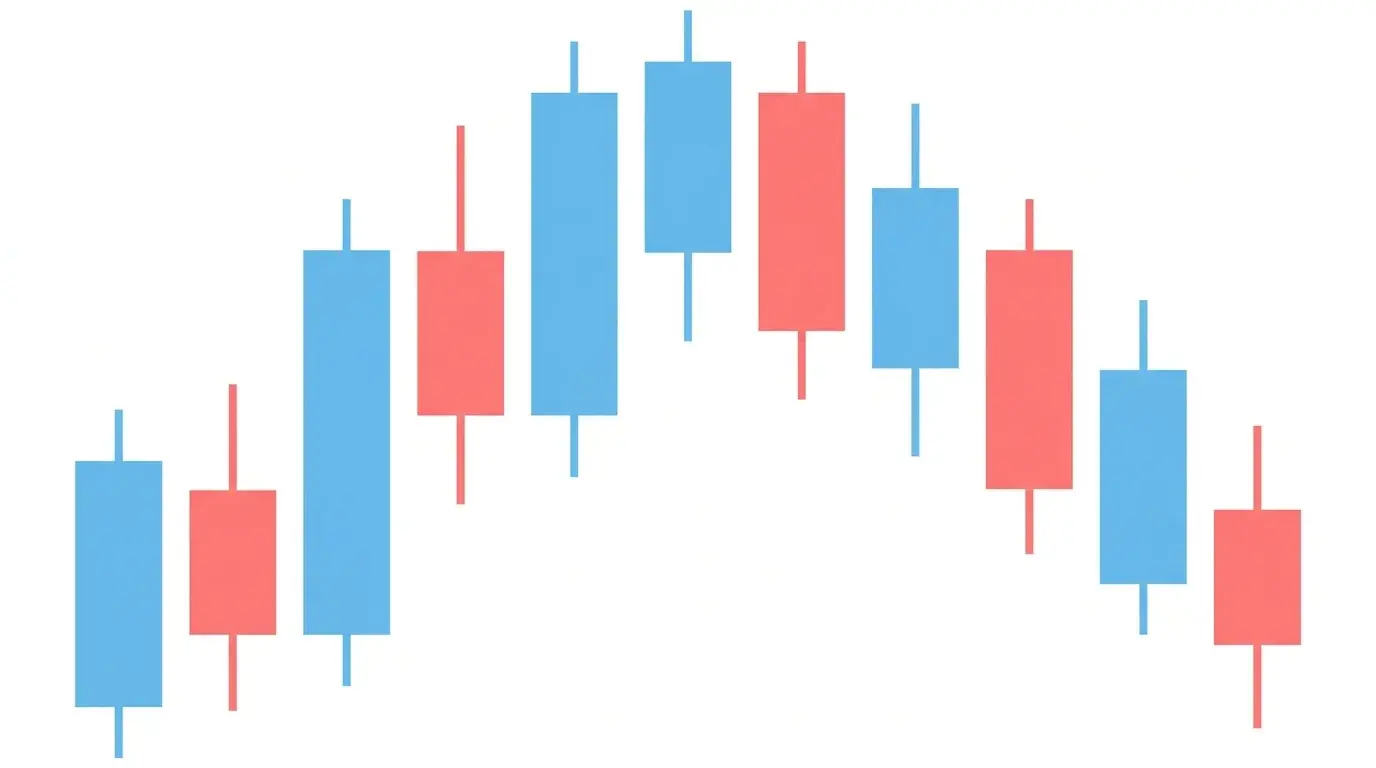
Best for: macro context, multi-year support and resistance mapping, and long-horizon position traders riding rate-differential or commodity-cycle flows. The Sunday-night chart for every serious trader regardless of execution timeframe.
9. Heikin Ashi — Smoothed Candles for Trend Clarity
Heikin Ashi is not a timeframe — it is a chart type. The name is Japanese for "average bar," and the calculation averages the open, high, low, and close of each candle with the preceding bar, producing a smoother visual trend. The result is a chart where green candles tend to run in uninterrupted sequences during uptrends and red candles dominate downtrends, making the underlying directional bias unmistakable even at a glance.
Trend followers love Heikin Ashi because it filters out the small counter-trend flickers that plague standard candlestick charts. A single small-bodied doji after a long sequence of solid candles is a genuine trend-exhaustion signal rather than random noise. On H4 and D1, Heikin Ashi is particularly useful for position traders who want to hold through normal pullbacks without being shaken by every 30-pip retrace.
The trade-off is that Heikin Ashi lies about price. The open and close of each bar are synthetic; they do not match actual traded levels. This makes precision entries, stop-loss placement, and exact pattern reading impossible from a Heikin Ashi chart alone. Use it as an overlay on top of standard candlesticks, not as a replacement.
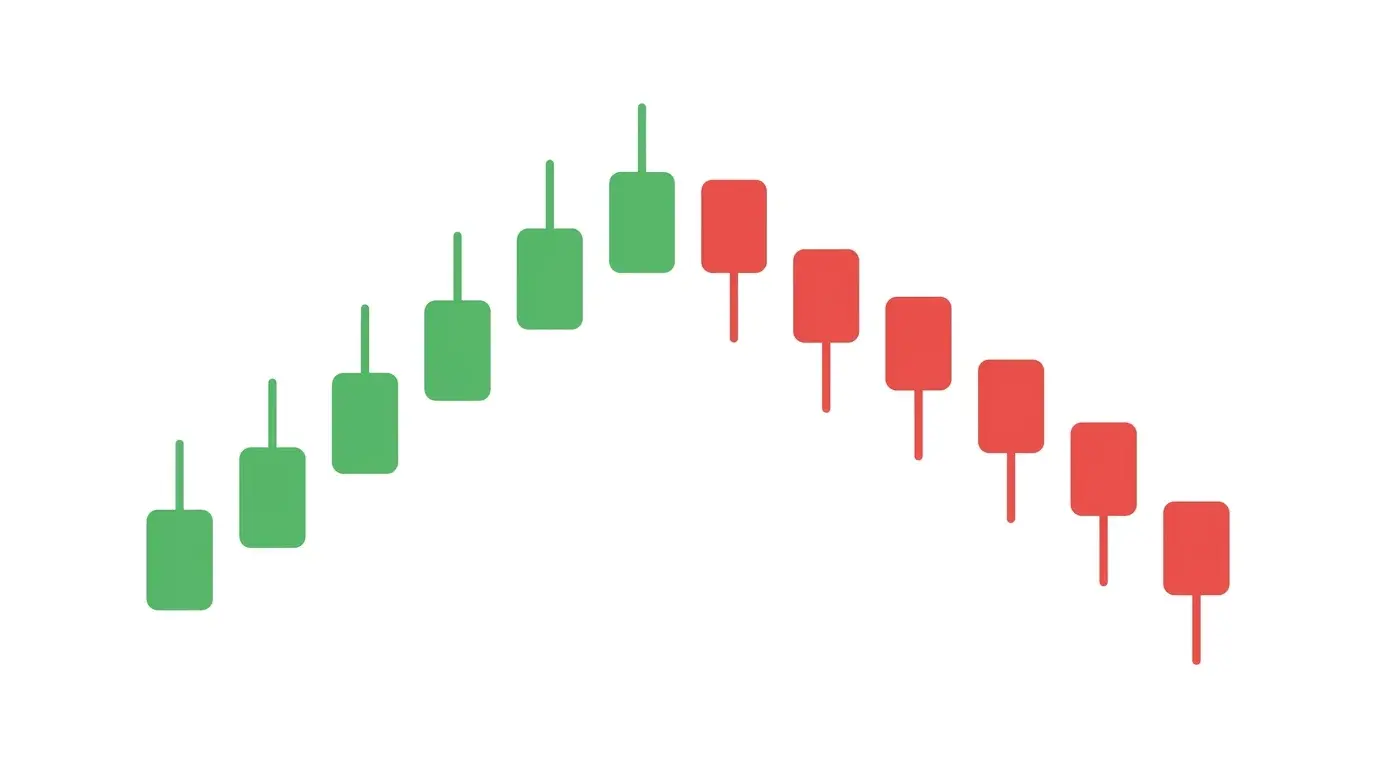
Best for: trend-followers and position traders on H4/D1 who want a cleaner visual read of the prevailing direction. Always pair with standard candles for entry and stop placement.
10. Renko — Timeframe-Agnostic, Price-Only Bricks
Renko is the radical alternative: a chart where time does not exist. A new brick prints only when price moves a specified amount (say 10 pips), regardless of whether it took five seconds or five hours. The result is a staircase of identical-sized green and red bricks that shows the pure structural progression of price without any of the time-based compression that makes low-volume sessions look busy.
For traders who struggle to filter noise, Renko is a revelation. Consolidation periods — Tokyo sessions, pre-event drift, holiday weeks — simply do not print new bricks, so the chart stays blank until genuine movement resumes. Trend identification becomes trivially visual: three same-colour bricks in sequence is a trend, a single counter-colour brick is a warning, two in a row is a reversal. Support, resistance, and breakouts are all unusually clean.
The cost is significant: Renko discards time information entirely, which breaks any strategy tied to sessions, news releases, or volatility windows. Stops are awkward (bricks form after price moves), and most backtesters handle Renko poorly. It is a specialist tool, not a general-purpose replacement for time-based charts, but for traders who think structurally rather than temporally, it can clarify decisions that time-based charts cannot.
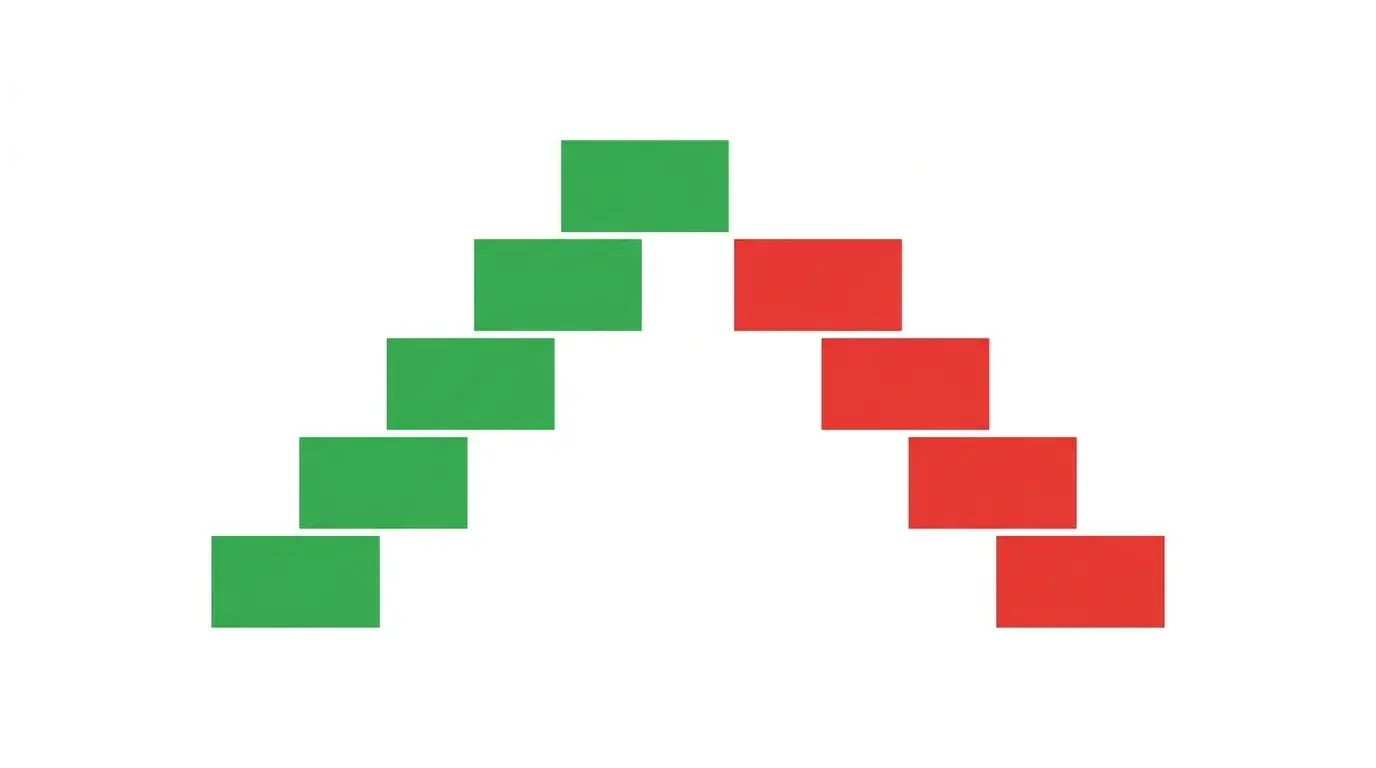
Best for: breakout traders, structural pattern readers, and anyone overwhelmed by the time-based noise of standard candlesticks. Not a replacement for conventional charts — a parallel lens.
The Bottom Line
There is no best forex timeframe. There is only the timeframe that matches your life. If you can dedicate four focused hours to a chart every day, M15 and H1 are where you will thrive. If you have a full-time job, H4 and D1 are built for you. If you are a structural thinker, Renko will feel like a cheat code. If you are chasing the thrill of M1 scalping because it feels exciting, that is a tell — trading is supposed to be boring when it works.
Pick one timeframe as your primary decision chart. Use one higher timeframe for bias. Use one lower timeframe for execution. Stop flipping. The traders who compound are the ones who picked a chart and stayed there long enough to learn its personality.
The ChartSnipe edge: upload a screenshot of any timeframe — M1 to W1, Heikin Ashi or Renko — and our AI returns the trend, key levels, and pattern read in seconds, so you can focus on deciding whether to take the trade, not whether you are reading the chart correctly.
Related Articles
12 Technical Indicators Ranked by Actual Edge
Which indicators actually deliver edge — VWAP, Volume Profile, MAs, ATR, Bollinger, RSI, MACD and more, honestly ranked.
Forex Entry Strategy Setups Guide
The entry setups that actually work — engulfing bars, break-and-retest, pullback triggers, and more.
10 Stop Loss Placement Methods
ATR, structural swing, % risk, order blocks, liquidity pools — the stop methods real traders use.

Written by the ChartSnipe Team
ChartSnipe is an AI-powered chart screenshot analysis tool and daily AI news impact analysis platform for forex, gold, Bitcoin, S&P 500, and Nasdaq traders. Our team combines deep experience in technical analysis, AI vision models, and live market data across 32+ instruments to deliver actionable trading insights.
See the right timeframe for today's forex setups
Daily AI news impact analysis across 32 instruments — live prices, currency strength, and the pairs most worth watching right now.
Open News Impact Dashboard