
Risk Reward Ratio: 10 Examples Every Trader Should Study
Why R/R matters more than win rate, the math most traders skip, and ten worked examples — 1:1 scalps, 1:2 day trades, 1:3 swings, 1:5 position plays, and the active-management tools that squeeze every pip out of a winner.
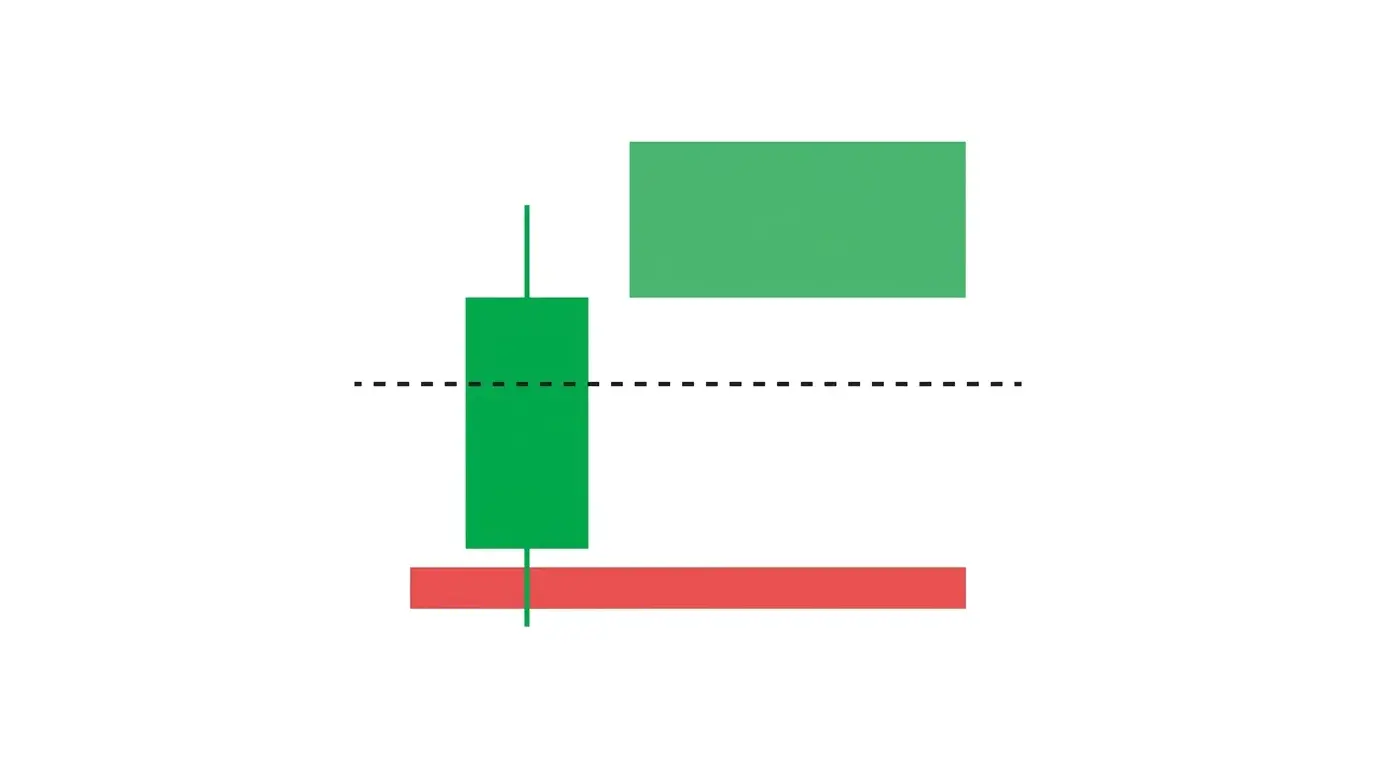
Ask ten retail traders what matters more — win rate or risk-reward — and eight of them will say win rate. They are wrong. Win rate is the number that feels good on a screenshot. Risk-reward is the number that pays the bills. A 40% win rate system at 1:2 R/R is a consistent winner. A 60% win rate system at 1:1 R/R is a breakeven grinder that dies the first time commissions, spread, and slippage eat into the edge.
Here is the math, as brutal as it is simple. Over 100 trades risking one unit each:
System A — 60% win rate, 1:1 R/R: 60 wins × 1 = +60, 40 losses × 1 = −40. Net: +20 units.
System B — 40% win rate, 1:2 R/R: 40 wins × 2 = +80, 60 losses × 1 = −60. Net: +20 units.
Same expected return. But System B survives a 10-trade losing streak (not rare). System A cannot afford 40 consecutive losses at that win rate without blowing up psychologically first.
This ChartSnipe guide walks through ten R/R configurations — fixed ratios from 1:1 up to 1:5, plus five active-management techniques that let you extract more from each trade without changing the entry.
Key Takeaways
- →Risk-reward beats win rate — a 40% win rate at 1:2 matches a 60% win rate at 1:1, with far less psychological fragility.
- →1:1 is the scalping floor, 1:2 is the day-trade default, 1:3 is the swing standard, 1:5 is high-conviction position sizing.
- →Moving the stop to breakeven at 1R is the single biggest unlock — it turns losers into scratches and compounds winners risk-free.
- →Partial closes and scale-outs raise your expectancy without needing to be right more often — you bank certainty on part, ride the rest.
- →Bracket orders force you to define the full trade before entry. No bracket, no edge — just a leveraged guess.
1. 1:1 Risk Reward — The Scalper Floor
A 1:1 trade risks exactly as much as it aims to make. On EURUSD, that might be a 10-pip stop and a 10-pip target. 1:1 is the lowest R/R that most serious traders will accept, and it is really only viable if you run a high-frequency scalping system with a win rate above 55% after costs. The mechanic: enter on your signal, set target and stop equidistant from entry, exit whichever triggers first.
When it applies: session-open liquidity scalps, London-break fades, Asian-range reversals — anywhere the expected move is small but high-probability. The pitfall: 1:1 is unforgiving. A 55% win rate at 1:1 is a thin edge, and spreads, commissions, and slippage can eat 10-20% of that edge on fast pairs. If you trade 1:1, you cannot skip trades, cannot sit out sessions, and cannot take discretionary exits — the entire edge depends on ruthless execution of every signal.
2. 1:2 Risk Reward — The Textbook Day-Trade Default
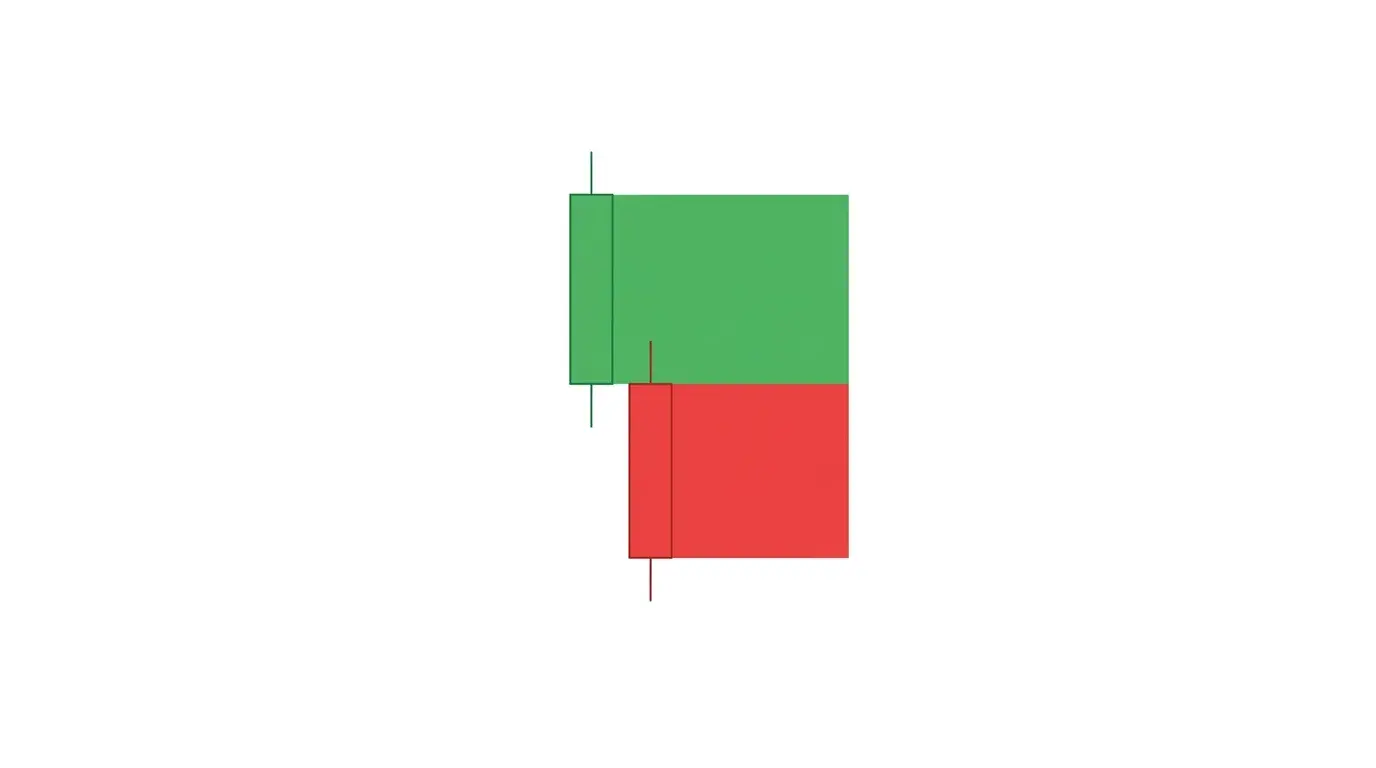
1:2 is the workhorse of active forex and gold day trading. Risk 20 pips on XAUUSD to make 40. Risk 15 pips on GBPUSD to make 30. At 1:2, your break-even win rate is only 34%, which means even a mediocre signal can turn a profit if your execution is disciplined. This is the R/R most trading books teach because it strikes the cleanest balance between realism on targets and forgiveness on win rate.
When it applies: intraday breakouts, pullback entries in strong trends, event-driven trades where a clear structural target exists roughly twice your stop distance away. The pitfall: traders often set 1:2 mechanically without checking whether the 2R target actually has room. If the nearest prior swing high is only 1.3R away, a 1:2 plan means you are targeting straight through resistance — the trade will tag 1R, reverse at the real level, and take out your stop. R/R must respect structure; it cannot be imposed on it.
3. 1:3 Risk Reward — The Swing Trader Target
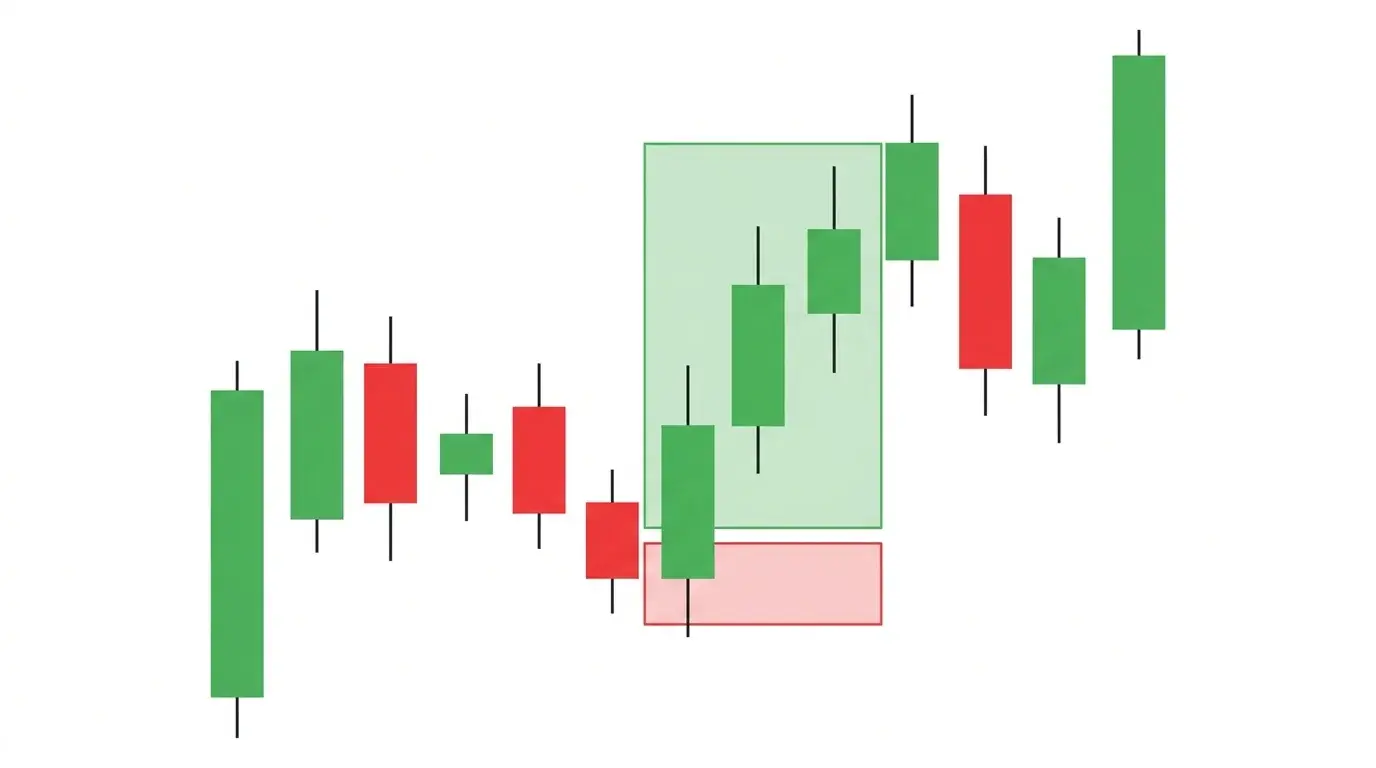
1:3 is the standard for multi-day swing trades on the daily and 4-hour charts. Risk 50 pips, target 150. The break-even win rate drops to just 25%, meaning you can be wrong three times out of four and still grind out a positive expectancy. This is why professional discretionary traders gravitate to swing timeframes — the R/R math stops punishing you for having normal human accuracy.
When it applies: trend-continuation trades in clean higher-timeframe structures, breakouts of multi-week ranges, reversal plays at major daily or weekly levels. The pitfall: 1:3 targets take time. A swing trade might sit in drawdown for days before reaching target, and most retail traders cannot emotionally hold through that chop. They take 1R, watch the trade continue to 3R, and convince themselves next time they will be patient. They never are. If you commit to 1:3, you commit to the hold — or use the partial-close technique in section 6 to manage the emotion.
4. 1:5 Risk Reward — High-Conviction Position Trading
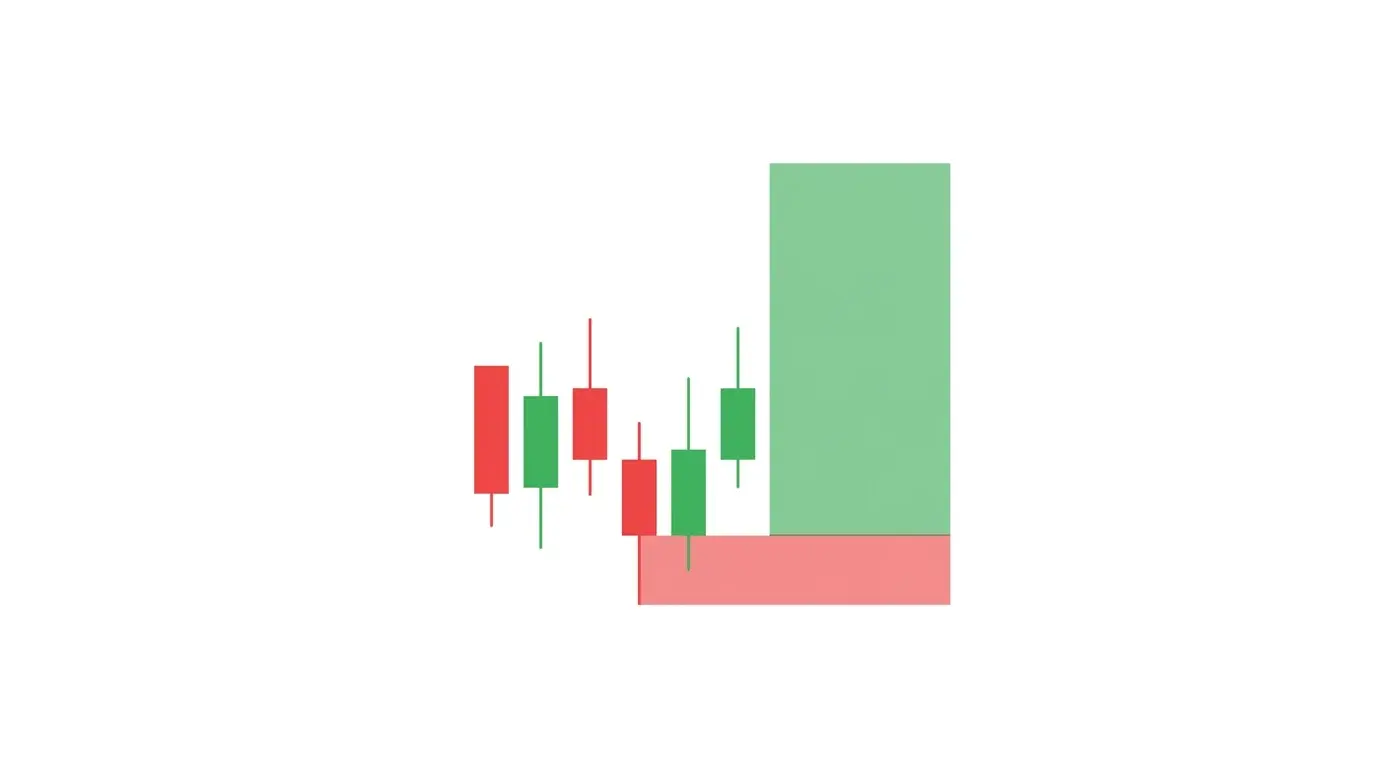
1:5 trades are rare by design. Risk 100 pips, target 500. The break-even win rate collapses to 17%, which sounds easy until you realise 1:5 setups usually require a multi-week to multi-month hold through two or three retracements and at least one psychological squeeze. These are macro-driven, event-confluent, structurally-clean setups. You take them a few times a year, not a few times a week.
When it applies: post-regime-shift positioning (a central bank pivot, a cleared election, a resolved war premium), major trend breakouts on the weekly chart, commodity dislocations at multi-year levels. The pitfall: confusing a 1:3 swing for a 1:5 position trade and letting a profitable winner turn back into a loser while waiting for 5R. The fix is disciplined partial management — take 1R or 2R off the top, trail the rest behind structure, and let the runner do what it wants. Macro catalyst context from the AI News Impact dashboard is what separates a real 1:5 regime from a normal swing market.
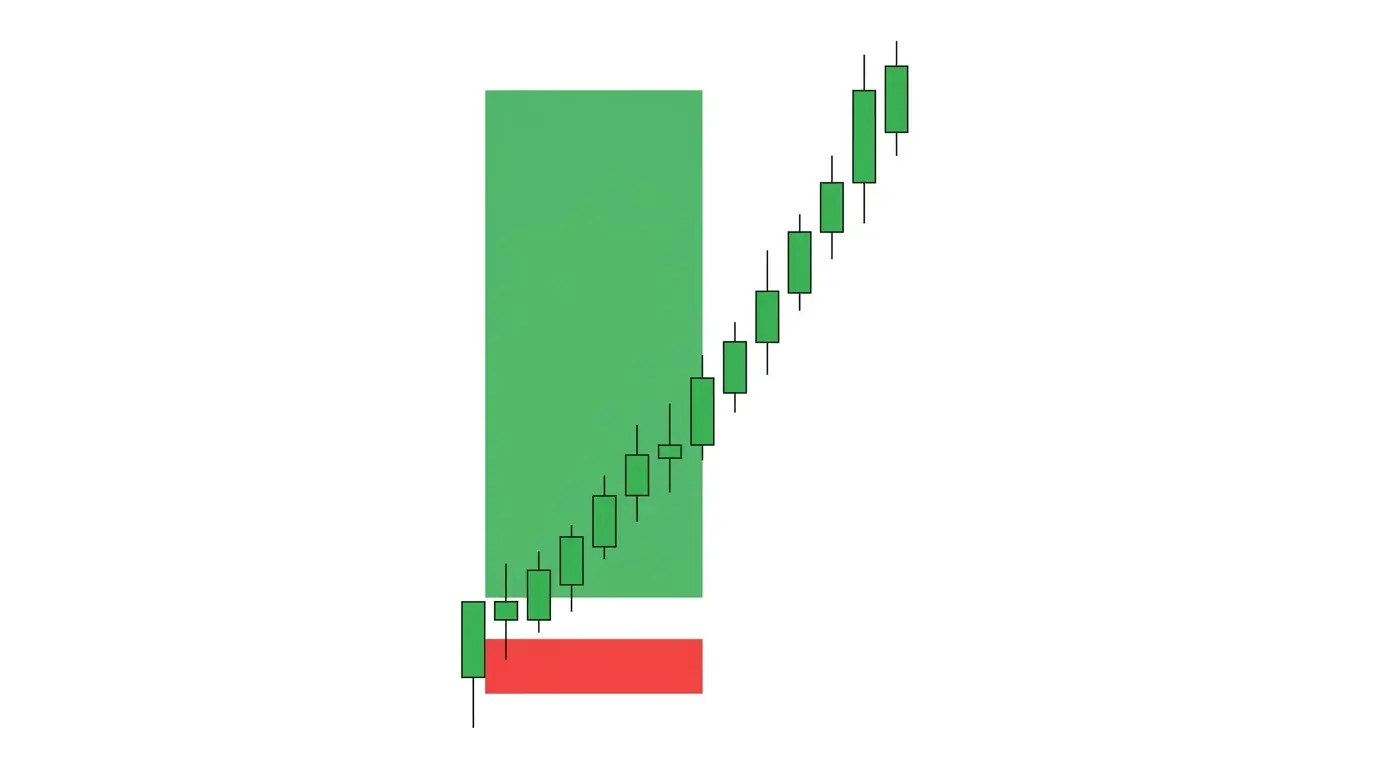
5. Move Stop to Breakeven at 1R
The single biggest upgrade most traders can make to their risk management is mechanically moving the stop to the entry price once the trade has moved 1R in their favour. If your stop was 20 pips and price rallies 20 pips, you drag the stop from the original level to your entry. From that moment, the trade is a free option — you cannot lose money, you can only make money or scratch. It converts what would have been losers into breakeven trades.
When it applies: almost every 1:2 or better R/R setup benefits from this rule. It is especially valuable on news-driven trades where volatility can reverse a winner quickly. The pitfall: moving to breakeven too early. If you move the stop at 0.5R, normal retracement will stop you out of a perfectly good trade. The rule has to be 1R minimum, and on volatile pairs like GBPJPY or XAUUSD you may want to wait until 1.2R or 1.5R before locking in — the natural swing on those instruments is wider, and premature breakevens will churn you out of winners.
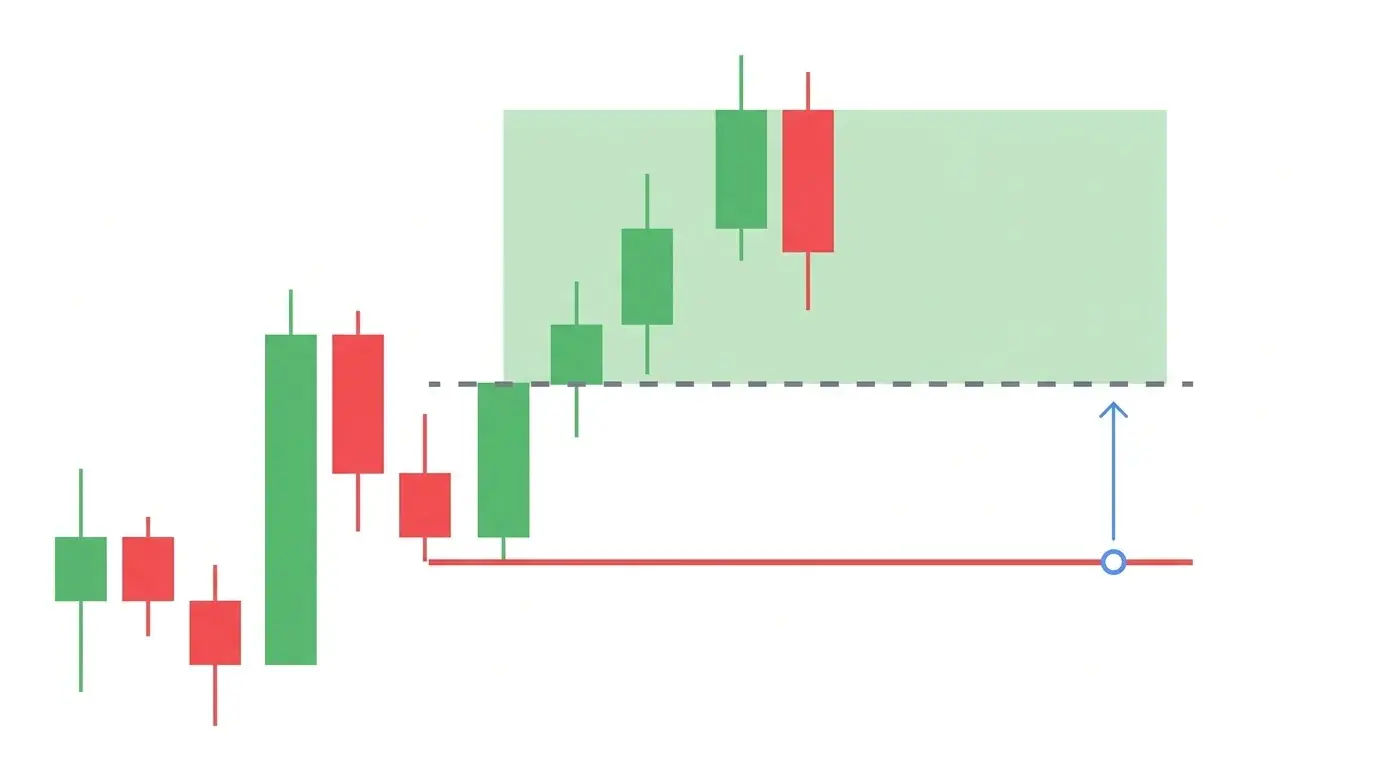
6. Partial Close at 1:1 + Runner to 1:3
This is the practical hybrid that most professional discretionary traders use every day. Enter with full size, close half (or one-third) at 1R, move the stop on the remainder to breakeven, and let the rest run to 3R or beyond. The closed portion banks a guaranteed winner even if the rest reverses to breakeven, while the runner gives you the upside of a 1:3 or 1:5 if the move extends.
When it applies: trades where you have high confidence in the first leg but less certainty in the full extension, which is most real trades. The pitfall: taking partials too aggressively. If you close 80% of the position at 1R, the runner is too small to meaningfully reward you for being right on the trend — you have just engineered a glorified 1:1 with extra steps. A 50/50 or 33/67 split is the sweet spot. Close less than a third, and the runner earns its keep; close more than half, and you have capped yourself out of the real R/R math.
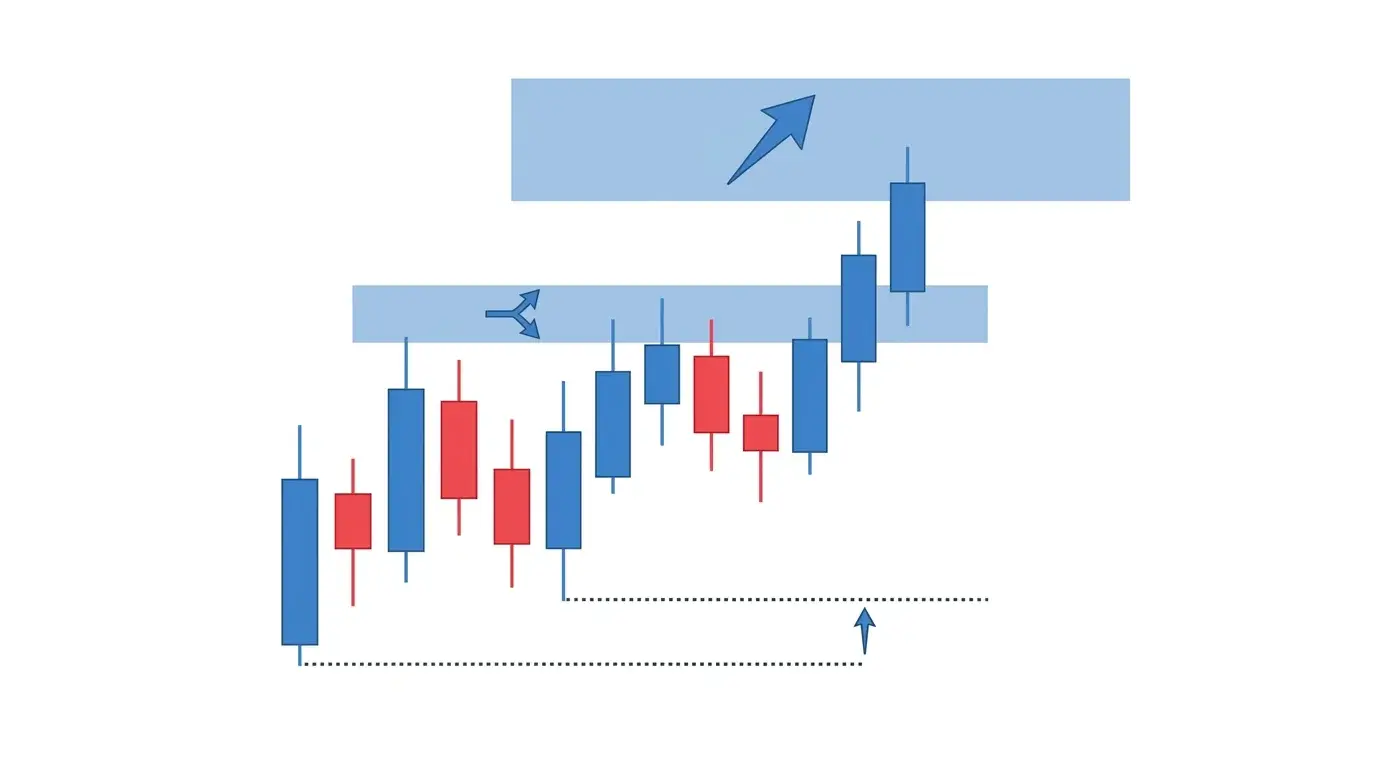
7. ATR-Based Trailing Stop
An ATR trailing stop follows price at a fixed multiple of the Average True Range — usually 2x or 3x ATR. As the trade moves in your favour, the trailing stop ratchets higher (for longs) or lower (for shorts), but never retraces. This is the mechanical way to let a runner ride a trend for as long as it lasts without capping the upside at a fixed target.
When it applies: trend-following systems on the daily and 4-hour charts, especially in commodity and indices markets where trends can extend far beyond any pre-defined target. The pitfall: choosing the wrong ATR multiple for the regime. A 1x ATR trail is too tight in a normally volatile market and you will get stopped on standard pullbacks. A 4x ATR trail is too loose in a low-volatility regime and you will give back half the profit on every correction. The 2x to 2.5x range works across most majors, but on XAUUSD and GBPJPY you want 3x to give the trade breathing room. For stop-sizing context, our stop-loss placement guide covers ATR sizing in depth.
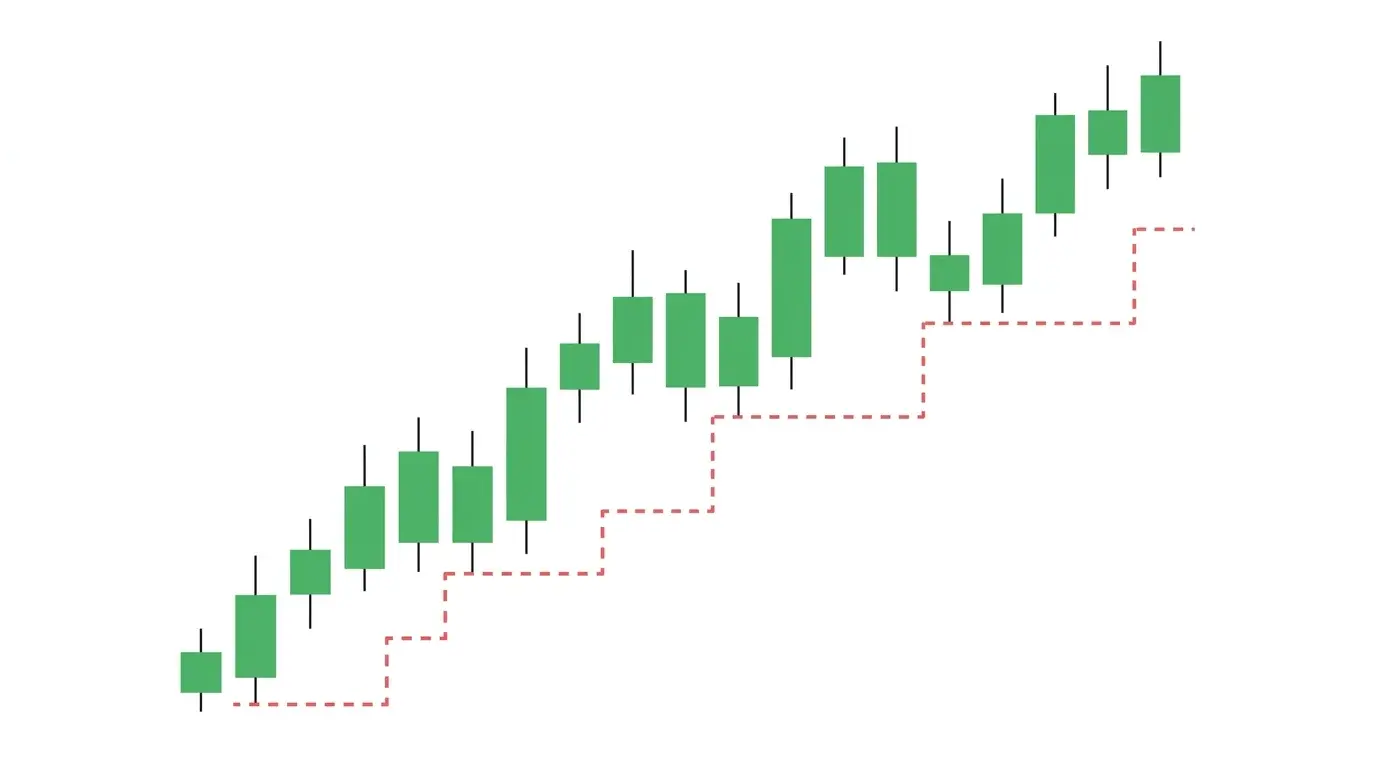
8. Pyramiding Into a Winner
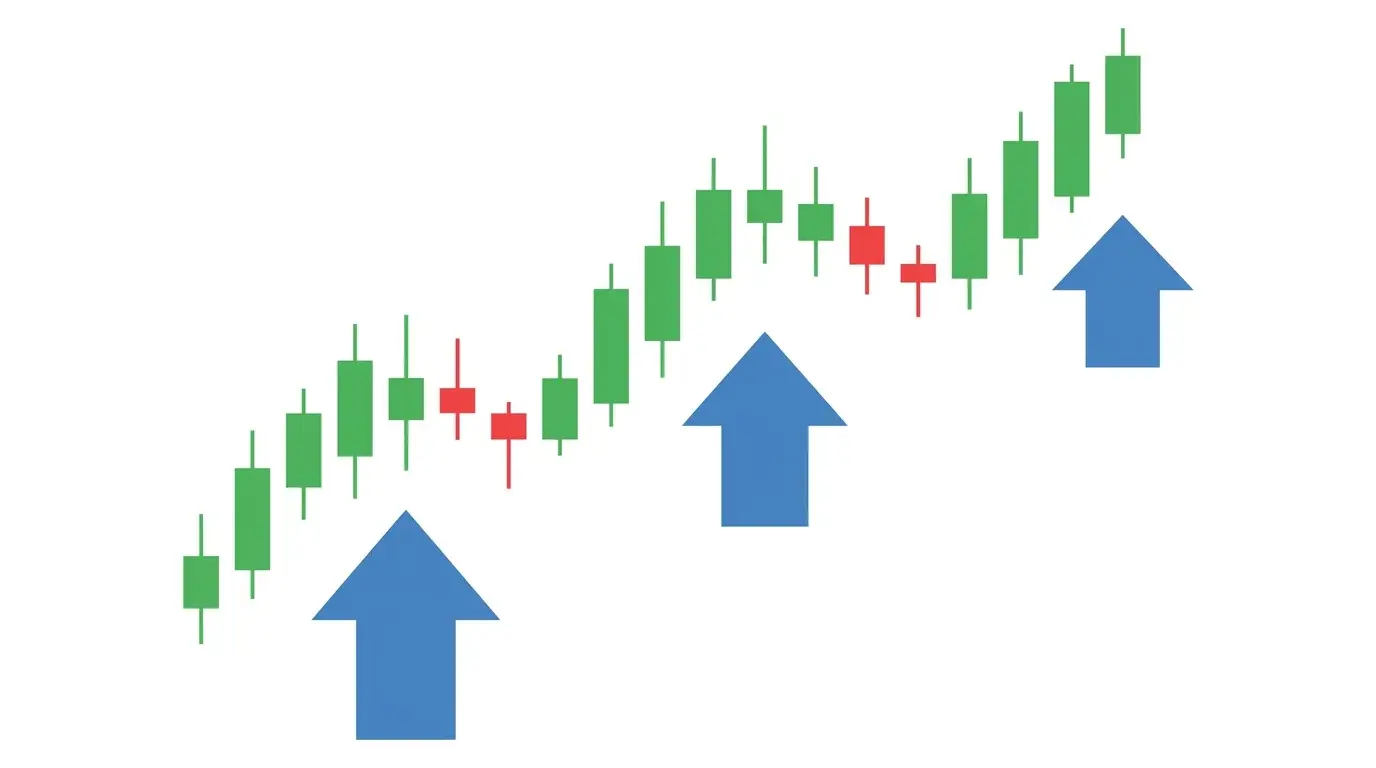
Pyramiding is the controversial counterpart to averaging down. You add to a position only when it is winning, and each addition is smaller than the previous one. If the initial entry risks 1R, the first pyramid add might risk 0.5R, the second 0.25R. Every add comes with its own stop, placed at a structure that invalidates the next leg of the trend. The goal: maximise exposure when you have the greatest evidence the trade is right.
When it applies: clear trend-continuation setups with multiple valid entry structures — for example, a break-and-retest followed by a trendline pullback followed by a bull flag. Each of those is a legitimate entry in its own right, and pyramiding lets you stack them into one thesis. The pitfall: pyramiding undermines the breakeven trailing-stop rule. Every new add shifts your blended entry higher, which means a pullback can flip the combined position into loss even while each individual add was a winner. The fix: trail the overall stop behind each new higher low, not the original entry. Never add to a trade whose initial stop has not already been trailed to breakeven.
9. Scaling Out at Multiple Targets
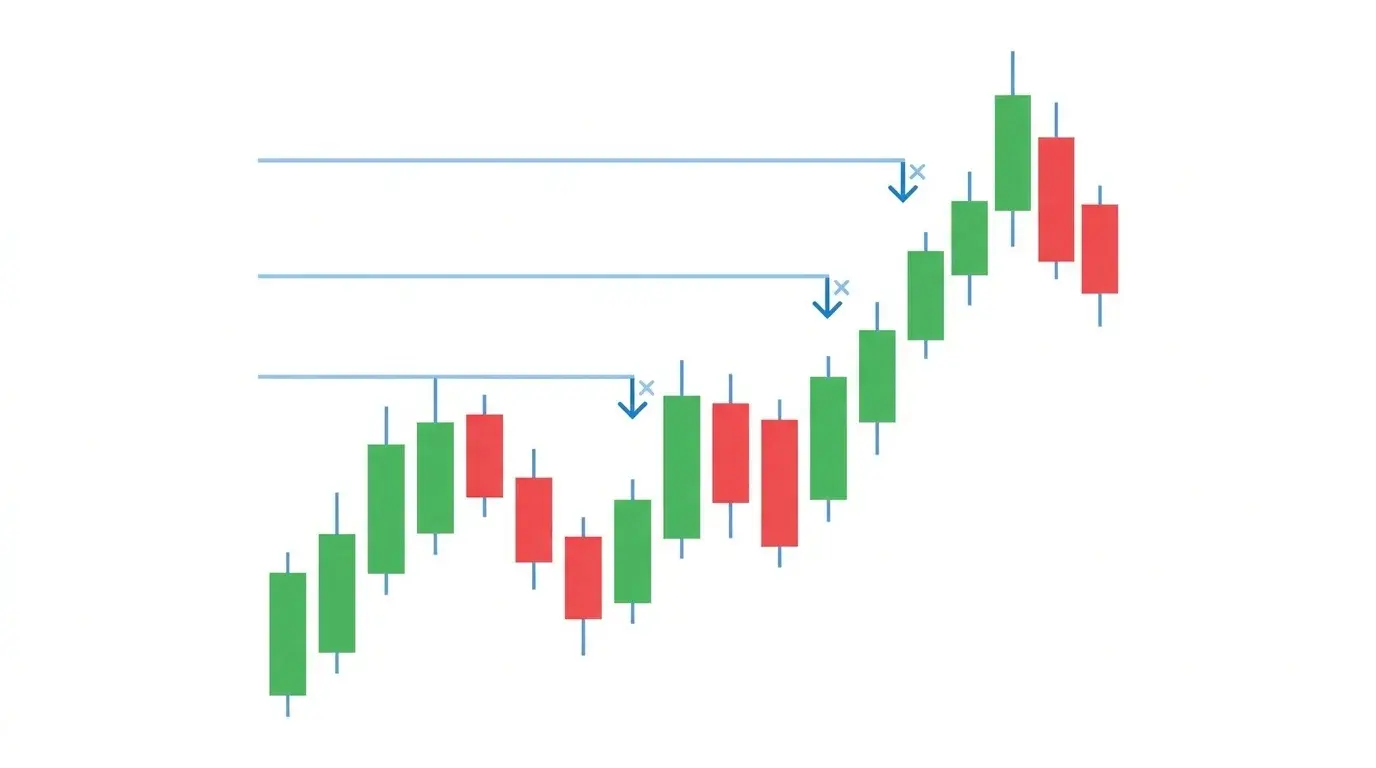
Scaling out is the disciplined version of the partial-close technique, extended across three or more pre-defined targets. A typical setup: one-third off at 1R, one-third off at 2R, final third trailed to structural close. This distributes the exit across the full extension of the move, which smooths the equity curve and reduces regret about either exiting too early or not taking enough off the top.
When it applies: high-R-potential trades where the path to the ultimate target is likely to include multiple interim structures — for example, a USDJPY swing long with a 1R target at the prior day high, a 2R target at the weekly high, and a final runner aiming for the monthly top. The pitfall: scaling out in small, illiquid markets where exiting a third of a position in one order moves price against you. On major forex pairs this is a non-issue, but on exotic crosses or small-cap equities the slippage on scale-outs can eat into the R/R math. If you trade exotics, size down so each scale-out is execution-safe.
10. Bracket Order (All Three Levels at Once)
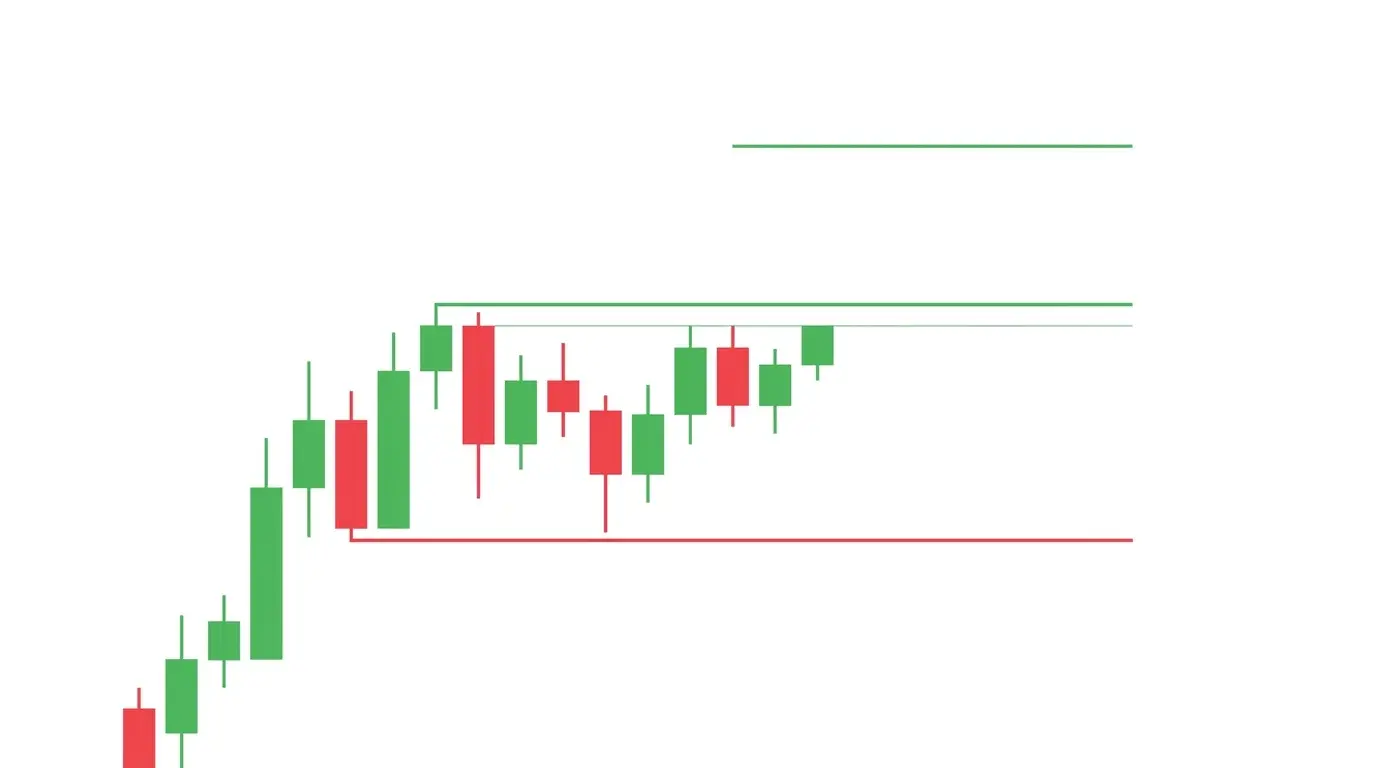
A bracket order submits the entry, the stop-loss, and the take-profit as a single linked order set. The moment your entry fills, the stop and target are both live on the book. If the stop fires, the target cancels automatically. If the target fires, the stop cancels. This is the mechanical enforcement of pre-trade discipline — it makes it impossible to enter without defining the full R/R plan first.
When it applies: every trade that is not actively managed. If you cannot sit at the screen through the trade, a bracket is non-negotiable. The pitfall: brackets give you exactly what you programmed, which means a sloppy bracket is a guaranteed suboptimal exit. Traders who use brackets without thinking about structure end up with stops sitting under obvious swing lows (guaranteed to get swept) and targets sitting just beyond round numbers (guaranteed to miss by a pip). Use the bracket as the execution tool, but let the stop and target placements come from the structural analysis, not from a fixed-pip rule. Pair this with a disciplined pre-flight trading-psychology checklist — our trading psychology guide covers the common bracket mistakes in depth.
The Bottom Line
Risk-reward is not a trading style you pick; it is a discipline you enforce on every trade, every session, every week. The 1:2 default is the right starting point for most intraday traders. Add the stop-to-breakeven rule at 1R and you already have a risk-managed system that most retail traders do not have. Layer in partial closes and you are executing like a desk trader.
The advanced techniques — pyramiding, ATR trails, scale-outs — are optimisations, not prerequisites. Master 1:2 with breakeven stops and partial closes first. Trade it for six months. Only then start layering the rest. The biggest R/R mistake is treating every trade like it needs the full advanced toolkit — it does not. It needs discipline.
And when you want the directional conviction to know which pairs actually deserve a 1:5 position-trade commitment on any given day, the ChartSnipe AI News Impact dashboard ranks all 32 instruments by macro alignment every morning — so you size up when the tape agrees with you and size down when it does not.
Related Articles
10 Stop Loss Placement Methods
ATR, structural swing, order blocks, liquidity pools — the ten stop methods real traders actually use.

12 Trading Psychology Mistakes
The twelve psychological errors that quietly drain accounts — FOMO, revenge trading, sunk-cost, and more.

NFP Trading Strategy Playbook
How to trade Non-Farm Payrolls in forex and gold — including the R/R frames that actually work on event days.
Size up when the tape agrees with you
Daily AI news impact analysis across 32 instruments — know which pairs deserve a 1:5 commitment and which deserve a pass.
Open News Impact Dashboard